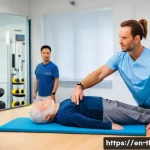
Physical therapy has long been a cornerstone in rehabilitating injuries and managing chronic pain, but increasingly, practitioners are exploring complementary approaches to enhance patient outcomes.

Integrating alternative medicine techniques, such as acupuncture, yoga, or herbal remedies, opens new pathways for holistic healing and personalized care.
This fusion not only broadens treatment options but also addresses the growing demand for natural and less invasive therapies. As patients seek more than just symptom relief, understanding how physical therapy intersects with alternative methods becomes crucial.
Let’s dive deeper and uncover how these two fields come together to transform health and wellness!
Expanding Recovery Horizons through Movement and Mindfulness
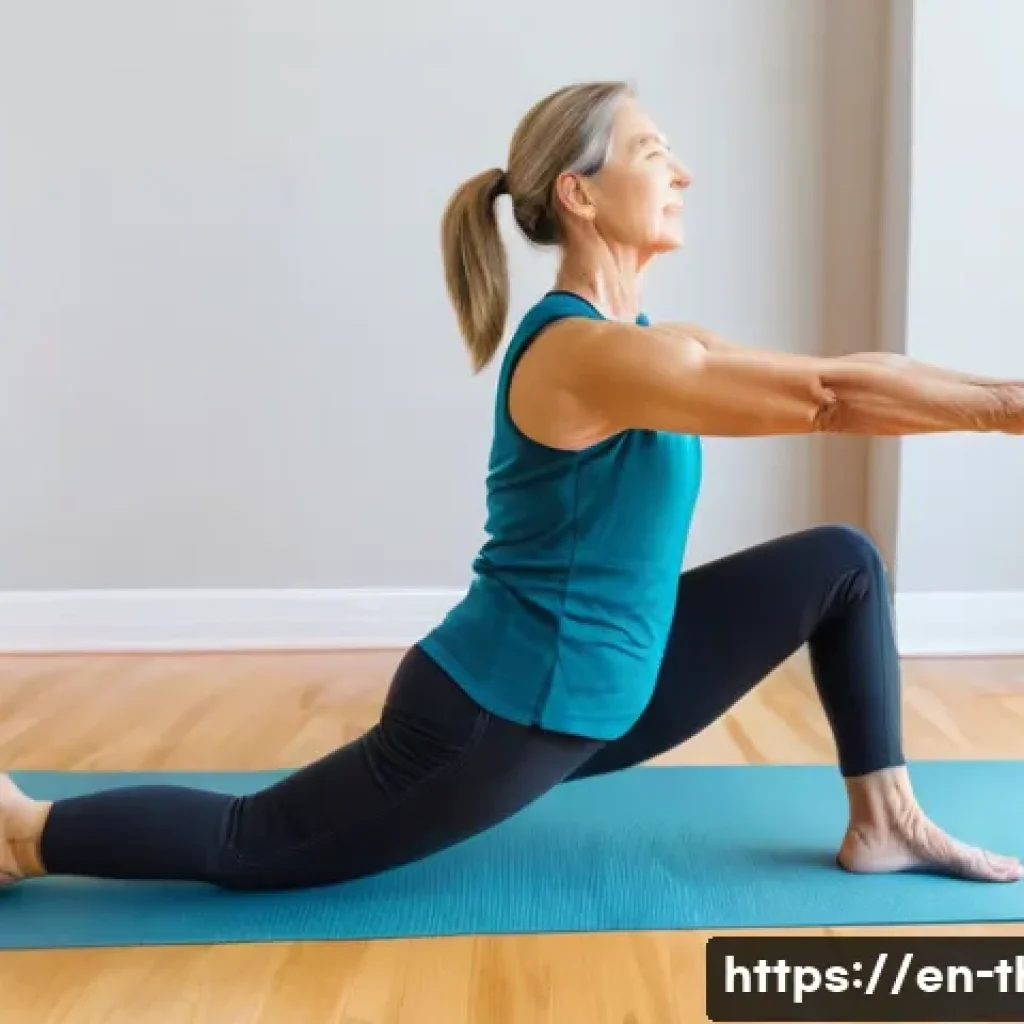
Incorporating Yoga into Rehabilitation Routines
When I first recommended yoga to a patient recovering from a knee injury, I was curious to see how this ancient practice would complement standard physical therapy exercises.
What struck me was how yoga’s focus on breath control, flexibility, and gentle strength-building created a synergy with targeted rehab movements. Patients often reported not only improved mobility but also a greater sense of calm and body awareness, which seemed to boost their overall commitment to therapy.
Yoga poses like downward dog and warrior sequences, adapted to individual capabilities, help enhance joint stability and muscular balance without overstraining injured tissues.
The mindfulness element also reduces pain perception, providing a mental edge that conventional therapy alone might not achieve.
Breathing Techniques as a Tool for Pain Management
One of the less talked-about benefits I’ve observed is how controlled breathing exercises, often taught in alternative therapies, can be integrated into physical therapy sessions to manage chronic pain.
Patients with persistent lower back pain, for example, found diaphragmatic breathing helped them relax tense muscles and reduce spasms during exercise.
The connection between breath and nervous system regulation means that teaching these techniques encourages patients to engage more fully in their rehab, even on difficult days.
It’s fascinating how something as simple as focused inhalation and exhalation can empower people to take control over their pain experience, making physical therapy feel less daunting.
Enhancing Balance and Proprioception through Mind-Body Practices
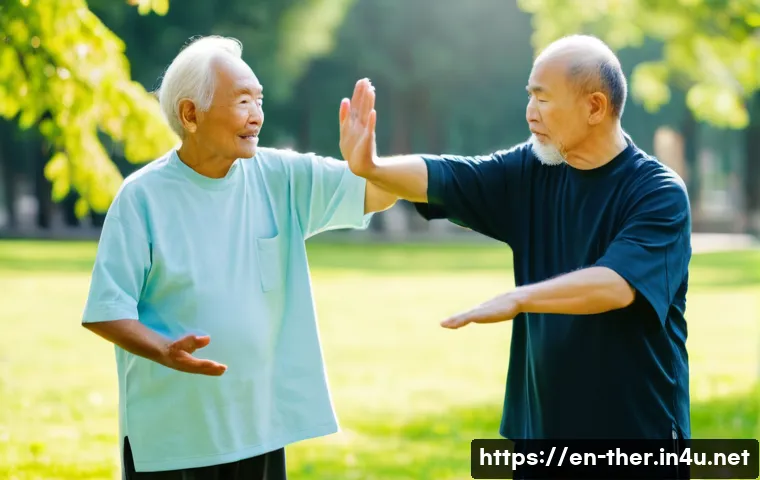
Balance training is a staple of physical therapy, especially for those recovering from falls or neurological conditions. Adding mind-body practices such as tai chi or qigong has enriched this area significantly.
In my experience, patients who practiced these gentle martial arts alongside their therapy sessions showed quicker improvements in proprioception — the body’s ability to sense its position in space.
The slow, deliberate movements require concentration and coordination, reinforcing neural pathways that physical therapy targets but sometimes struggles to fully engage.
This layered approach also encourages patients to adopt a holistic view of their healing, connecting physical progress with mental focus and emotional well-being.
Herbal and Nutritional Support in the Healing Process
Natural Anti-Inflammatories Complementing Therapy
Integrating herbal remedies with physical therapy is an area I approached cautiously at first. However, after seeing several patients benefit from natural anti-inflammatory supplements like turmeric or ginger, I became more open to their role as adjuncts.
These herbs, when used responsibly and with medical guidance, can reduce swelling and discomfort, allowing patients to participate more actively in therapy sessions.
Of course, it’s crucial to monitor interactions with prescribed medications and adjust dosages accordingly, but the potential to lessen reliance on synthetic drugs is a compelling advantage.
Nutrition’s Role in Tissue Repair and Recovery
I’ve always stressed the importance of diet in rehabilitation, but coupling physical therapy with tailored nutritional advice has shown tangible benefits.
Adequate protein intake, hydration, and vitamins like C and D support tissue repair and muscle function, accelerating recovery timelines. Some patients find that adjusting their diet to include more antioxidant-rich foods decreases fatigue and improves energy levels, making therapy sessions more productive.
Collaborating with dietitians or nutritionists helps personalize these plans, ensuring that patients don’t just heal their injuries but also build resilience against future problems.
Addressing Chronic Pain with Herbal Supplements
Chronic pain management often involves a delicate balance between efficacy and side effects. In a few cases, patients have reported significant relief using herbal supplements such as white willow bark or boswellia alongside their physical therapy regimen.
These supplements possess analgesic and anti-inflammatory properties, offering a natural alternative to opioids or NSAIDs. While more rigorous clinical trials are needed, anecdotal evidence suggests that for some individuals, these natural options can reduce pain intensity, improve sleep quality, and enhance mood, thereby facilitating a more engaged recovery process.
Technology Meets Tradition: Bridging Modalities for Better Outcomes
Integrating Acupuncture with Modern Rehabilitation Tools
Acupuncture’s resurgence as a complementary approach in physical therapy clinics has been remarkable. I noticed that combining acupuncture with modalities like electrical stimulation or ultrasound therapy often results in faster pain reduction and improved tissue healing.
Patients frequently describe the experience as deeply relaxing, which can decrease muscle guarding and facilitate more effective exercises afterward. The precision of acupuncture points targeting specific nerves or muscles adds a dimension that conventional physical therapy tools alone sometimes lack.
Wearable Devices Enhancing Alternative Therapy Effects
The advent of wearable health technology has opened new possibilities for blending alternative medicine with physical therapy. Devices that monitor heart rate variability, muscle activity, or sleep patterns provide real-time feedback that helps tailor both rehab exercises and complementary practices like meditation or herbal supplementation.
For instance, tracking stress levels can inform when a patient might benefit most from a calming yoga session or acupuncture treatment. This data-driven approach empowers patients to take an active role in managing their health beyond the clinic.
Virtual Reality as a Gateway to Mind-Body Integration
Virtual reality (VR) has become an exciting tool for engaging patients in therapeutic activities that combine physical movement with mental focus. Some VR programs incorporate guided meditation, breath control, and gentle stretching, offering immersive experiences that mimic traditional alternative therapies.
I’ve seen patients, especially those with limited mobility or chronic pain, respond well to VR because it distracts from discomfort while encouraging participation in rehab.
This technology bridges the gap between conventional and alternative approaches, creating customized environments that motivate and inspire healing.
Patient Empowerment through Personalized Holistic Care
Customized Treatment Plans for Diverse Needs
One key takeaway from blending physical therapy with alternative medicine is the importance of personalization. Each patient brings unique challenges, preferences, and goals, so a one-size-fits-all approach rarely works.
By listening closely and incorporating complementary therapies like massage, aromatherapy, or meditation based on individual response, therapists can design holistic care plans that foster engagement and improve adherence.
This tailored strategy respects the patient’s autonomy and encourages a collaborative healing journey.
Building Trust and Encouraging Active Participation
Trust plays a huge role in successful rehabilitation, especially when introducing unfamiliar alternative methods. Patients who feel heard and supported are more likely to try new approaches and integrate them into their daily routines.
Sharing personal experiences and explaining the science behind each technique helps demystify alternative therapies, making them less intimidating. I’ve found that when patients understand how different treatments complement each other, they become more motivated to stay consistent and take ownership of their recovery.
Tracking Progress Beyond Physical Metrics
Traditional physical therapy often focuses on measurable outcomes like range of motion or strength. However, incorporating alternative therapies encourages looking at progress through broader lenses such as emotional well-being, sleep quality, and stress reduction.
Using patient-reported outcomes alongside clinical assessments paints a fuller picture of recovery. This holistic tracking not only validates the patient’s experience but also highlights the benefits of integrated care, reinforcing the value of combining conventional and alternative approaches.
Safety Considerations and Professional Collaboration
Ensuring Compatibility of Therapies
When combining physical therapy with alternative medicine, safety must remain paramount. Some herbal supplements can interact adversely with medications, and certain manual therapies might not be suitable for all injury types.
I always recommend thorough consultations with all healthcare providers involved to coordinate care effectively. This collaborative approach helps prevent complications and ensures that each modality supports, rather than contradicts, the others.
Training and Certification for Practitioners
The effectiveness of integrated care depends heavily on the expertise of practitioners. Physical therapists interested in alternative methods should seek specialized training and certifications to understand the nuances and contraindications.
Likewise, alternative medicine providers working alongside rehab professionals benefit from knowledge of anatomy, injury mechanisms, and rehabilitation principles.
This cross-disciplinary education fosters mutual respect and enhances patient safety.
Patient Education as a Cornerstone of Safe Practice
Educating patients about the potential risks and benefits of combining therapies empowers them to make informed decisions. Clear communication about what to expect, possible side effects, and signs that warrant medical attention builds confidence and reduces anxiety.
In my practice, I provide written resources and encourage questions to ensure patients feel comfortable navigating their integrated care plan.
Comparing Benefits and Applications of Integrated Therapies
| Therapy Type | Primary Benefits | Typical Applications | Considerations |
|---|---|---|---|
| Yoga | Improves flexibility, balance, stress reduction | Post-injury mobility, chronic pain, mental wellness | Needs adaptation for injury severity |
| Acupuncture | Pain relief, muscle relaxation, enhanced healing | Musculoskeletal pain, nerve-related conditions | Requires licensed practitioner |
| Herbal Supplements | Anti-inflammatory, analgesic, immune support | Chronic inflammation, pain management | Possible drug interactions |
| Mindful Breathing | Reduces muscle tension, lowers pain perception | Chronic pain, stress-related symptoms | Needs patient practice and consistency |
| Wearable Technology | Real-time monitoring, personalized feedback | Rehab progress tracking, stress management | Cost and user compliance |
In Closing
Integrating movement and mindfulness with conventional rehabilitation opens new pathways for healing that address both the body and mind. Patients benefit not only from improved physical recovery but also from enhanced emotional well-being and self-awareness. This holistic approach encourages active participation and empowers individuals to take charge of their healing journey. By blending tradition with innovation, recovery becomes a more personalized and fulfilling experience.
Useful Information to Keep in Mind
1. Yoga and mindful breathing can be powerful additions to rehab, helping reduce pain and improve mobility when tailored to individual needs.
2. Herbal supplements like turmeric and ginger may support inflammation control but should always be used under medical supervision to avoid interactions.
3. Combining traditional therapies with technology such as wearables or virtual reality can enhance patient engagement and track progress more effectively.
4. Building trust and customizing treatment plans are essential for encouraging patient adherence to integrated care routines.
5. Safety is paramount; thorough communication and collaboration among healthcare providers ensure that combined therapies complement rather than conflict.
Key Takeaways for Safe and Effective Recovery
Successful rehabilitation through integrated therapies depends on personalized care that respects each patient’s unique condition and preferences. Practitioners must be well-trained and communicate clearly to navigate potential risks, especially when combining herbal supplements or alternative treatments with conventional physical therapy. Patient education and collaborative healthcare teamwork are crucial to maximize benefits and maintain safety. Ultimately, a balanced approach that unites mind, body, and technology fosters a more resilient and empowered recovery process.
Frequently Asked Questions (FAQ) 📖
Q: How can alternative medicine techniques like acupuncture or yoga enhance physical therapy outcomes?
A: Incorporating alternative medicine such as acupuncture or yoga into physical therapy can significantly boost recovery and pain management. From my experience, acupuncture helps stimulate the body’s natural healing processes and can reduce inflammation and pain more effectively when combined with targeted physical therapy exercises.
Yoga, on the other hand, improves flexibility, balance, and mindfulness, which supports long-term injury prevention and stress reduction. Patients often report feeling more relaxed and empowered in their healing journey when these methods are integrated, making the overall treatment more holistic and personalized.
Q: Are there any risks or concerns when combining physical therapy with herbal remedies or other natural treatments?
A: While many herbal remedies can complement physical therapy by reducing inflammation or easing pain, it’s essential to approach them carefully. Some herbs may interact with medications or cause allergic reactions.
From what I’ve seen, the key is open communication between patients and healthcare providers to ensure safety. Always consult with your physical therapist or a qualified healthcare professional before starting any herbal supplements.
This way, you avoid unexpected side effects and get a well-coordinated treatment plan tailored to your specific needs.
Q: Is integrating alternative medicine into physical therapy suitable for everyone, or only certain types of injuries or conditions?
A: Integrating alternative medicine isn’t a one-size-fits-all solution, but it can benefit a wide range of people depending on their condition and preferences.
For example, chronic pain sufferers or those recovering from musculoskeletal injuries often find added relief through acupuncture or gentle yoga practices.
However, for acute injuries or conditions requiring immediate surgical intervention, traditional physical therapy might take precedence initially. The best approach is a personalized assessment—many practitioners now consider a patient’s lifestyle, goals, and openness to alternative therapies before designing an integrated treatment plan.
I’ve noticed that when patients are actively involved and comfortable with their care options, the outcomes are far more positive.