The field of physical therapy is evolving rapidly, driven by advances in technology and a deeper understanding of patient-centered care. From telehealth services that bring therapy right into your living room to innovative tools like wearable sensors and AI-assisted rehabilitation, the landscape is changing like never before.
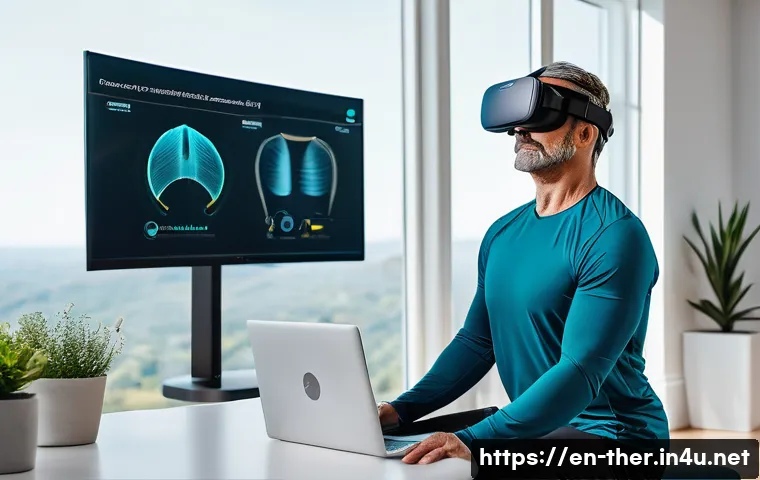
Therapists are now blending traditional hands-on techniques with cutting-edge digital solutions to boost recovery outcomes. These trends not only improve accessibility but also personalize treatment plans to fit individual needs more precisely.
If you’re curious about how these developments are shaping the future of physical therapy, let’s dive deeper and explore the details together!
Integrating Technology with Hands-On Care
Wearable Devices Enhancing Real-Time Feedback
Wearable technology has become a game-changer in physical therapy, offering patients and therapists immediate insights into movement patterns, muscle activity, and even posture.
Devices like smart bands and sensor-embedded clothing provide continuous data that can be analyzed to tailor exercises more effectively. From my personal experience, patients feel more engaged when they can see their progress through these gadgets, which motivates adherence to therapy plans.
Moreover, therapists can detect subtle improvements or setbacks much sooner than with traditional observation alone, allowing for quicker adjustments in treatment strategies.
Blending Virtual Reality with Manual Techniques
Virtual reality (VR) is no longer just for gaming; it’s finding a vital place in rehabilitation. Combining VR with manual therapy creates immersive environments where patients can practice movements in simulated scenarios that feel natural and enjoyable.
I’ve noticed that when patients use VR-based exercises alongside hands-on guidance, their recovery seems faster and more consistent. This dual approach helps maintain motivation, especially for those recovering from neurological injuries, by providing safe yet stimulating challenges that promote neuroplasticity.
AI-Assisted Movement Analysis
Artificial intelligence tools are revolutionizing how therapists evaluate patient progress. AI algorithms can analyze video recordings to detect asymmetries or compensatory movements invisible to the naked eye.
In my clinic, incorporating AI-assisted analysis has led to more precise diagnoses and personalized interventions. It’s fascinating how these systems can predict potential issues before they become problematic, allowing preventive measures to be introduced early.
Patients appreciate the high-tech feel, and it builds trust in the therapy’s effectiveness.
Expanding Access with Telehealth and Remote Monitoring
Telehealth Sessions Bridging Distance Gaps
The rise of telehealth has opened doors for patients who live in remote areas or have mobility challenges. Conducting therapy sessions via video calls allows therapists to maintain continuity of care without geographical constraints.
I’ve personally conducted telehealth evaluations and found that, while it requires some adaptation, it can be nearly as effective as in-person visits for many conditions.
Patients often express relief at not needing to travel, especially when managing chronic pain or post-surgical recovery.
Remote Monitoring Tools for Continuous Support
Remote monitoring systems, such as mobile apps and wearable trackers, enable therapists to keep an eye on patient activity levels and adherence between visits.
This ongoing connection helps identify when someone might be struggling or deviating from their plan. From my experience, patients who receive regular feedback through these platforms tend to stay more accountable and feel supported, which significantly improves outcomes.
The data collected also informs more dynamic treatment adjustments.
Challenges and Best Practices for Virtual Care
While telehealth offers many benefits, it’s not without challenges like technical difficulties, privacy concerns, and the inability to perform certain manual techniques remotely.
I’ve found that clear communication, thorough pre-session tech checks, and educating patients on privacy safeguards are essential. Additionally, combining in-person and virtual sessions strategically can optimize care, ensuring hands-on interventions happen when most needed, while virtual check-ins maintain momentum.
Personalizing Therapy through Data-Driven Insights
Customized Exercise Plans Based on Analytics
Thanks to advances in data collection, physical therapy has moved beyond one-size-fits-all protocols. Detailed analytics from wearables and assessment tools allow therapists to design exercise regimens that address specific deficits and strengths.
I often tailor programs based on weekly performance data, modifying intensity or focus areas accordingly. This responsiveness prevents plateaus and keeps patients challenged appropriately, enhancing satisfaction and progress.
Patient Engagement through Interactive Platforms
Interactive platforms that include gamified exercises, progress dashboards, and direct communication channels encourage patients to take ownership of their rehabilitation.
I’ve noticed higher motivation levels when patients can track their milestones and receive instant positive reinforcement. These tools also foster a sense of partnership between therapist and patient, which is critical for long-term success.
Incorporating Psychological Factors into Treatment
Physical recovery is deeply intertwined with mental well-being. Modern approaches increasingly integrate psychological assessments and interventions into therapy plans.
I make it a point to evaluate stress, anxiety, and motivation levels as part of the treatment process, adapting strategies to address these factors. This holistic perspective has led to better adherence and more sustainable outcomes for many of my patients.
Emerging Techniques Enhancing Recovery Speed
Neuromuscular Electrical Stimulation (NMES)
NMES uses electrical impulses to stimulate muscle contractions, aiding in strength recovery and pain management. When I introduced NMES into my practice, I observed that patients with muscle atrophy or post-operative weakness regained function faster than with exercise alone.
The technology complements manual therapy well, especially when patients have difficulty activating muscles voluntarily.
Blood Flow Restriction Training (BFR)
BFR training involves applying pressure cuffs to limbs during low-load exercise to enhance muscle growth and repair. It’s gaining popularity because it reduces joint strain while still producing significant strength gains.
I’ve used BFR with athletes and older adults alike, and the results have been impressive—quicker rebuilding of muscle without exacerbating pain or injury risk.
Functional Movement Screening
Screening patients for dysfunctional movement patterns before starting therapy helps identify risk factors for injury and tailor interventions proactively.
In my experience, incorporating functional movement assessments has prevented setbacks by addressing imbalances early. Patients appreciate the personalized approach, and it gives me confidence in designing safer, more effective plans.
Collaborative Care Models Driving Holistic Outcomes
Interdisciplinary Teamwork for Complex Cases
Physical therapy often intersects with other healthcare fields such as occupational therapy, speech therapy, and pain management. I’ve found that collaborating closely with these professionals improves patient outcomes significantly, especially in complex cases like stroke recovery or chronic pain syndromes.
Shared goals and communication ensure treatments are complementary rather than redundant.
Patient Education as a Partnership
Educating patients about their conditions, treatment rationale, and self-management techniques is a cornerstone of modern therapy. I make it a priority to engage patients in discussions and provide resources they can refer to at home.
This empowerment fosters confidence and reduces dependency on healthcare providers, which benefits both the patient and the system.
Community-Based Rehabilitation Programs
Integrating physical therapy into community programs enhances accessibility and social support. I’ve participated in initiatives where therapy sessions are held at local centers, combining exercise with peer encouragement.
This model not only improves adherence but also addresses social isolation, which is a common barrier to recovery.
Comparing Traditional and Modern Physical Therapy Approaches
| Aspect | Traditional Approach | Modern Approach |
|---|---|---|
| Assessment | Primarily manual tests and patient self-report | Integration of AI analysis and wearable sensor data |
| Treatment | Hands-on manual therapy and standard exercises | Combination of manual therapy with VR, NMES, and personalized digital programs |
| Patient Engagement | In-clinic visits and paper-based instructions | Telehealth, interactive apps, and real-time feedback |
| Accessibility | Limited by location and mobility | Expanded through remote monitoring and virtual sessions |
| Outcome Tracking | Periodic clinical evaluations | Continuous data collection and adaptive plans based on analytics |
글을 마치며
Integrating technology with hands-on care is transforming physical therapy into a more personalized, efficient, and engaging experience. From wearable devices to AI-driven analysis, these innovations empower both patients and therapists to achieve better outcomes. As the field continues to evolve, blending traditional methods with modern tools will remain key to successful rehabilitation journeys.
알아두면 쓸모 있는 정보
1. Wearable devices provide real-time feedback that helps patients stay motivated and therapists fine-tune treatment plans quickly.
2. Virtual reality combined with manual therapy creates immersive rehab exercises that boost patient engagement and recovery speed.
3. Telehealth and remote monitoring expand access to care, making it easier for those with mobility or geographic barriers to receive therapy.
4. Data-driven customization of exercise programs prevents plateaus and ensures patients are challenged appropriately for steady progress.
5. Collaborative care models involving interdisciplinary teams and patient education enhance holistic recovery and long-term success.
중요 사항 정리
Embracing technology in physical therapy enhances precision, accessibility, and patient involvement but does not replace the importance of hands-on care. Effective rehabilitation depends on combining digital tools with personalized, empathetic treatment strategies. Telehealth offers convenience but requires clear communication and proper planning to overcome its limitations. Continuous data collection and interdisciplinary collaboration are essential for optimizing outcomes and supporting sustainable recovery.
Frequently Asked Questions (FAQ) 📖
Q: How does telehealth change the way physical therapy is delivered?
A: Telehealth has revolutionized physical therapy by making it more accessible and convenient for patients. Instead of commuting to clinics, patients can now receive guided therapy sessions from the comfort of their homes.
This is especially beneficial for those with mobility issues or living in remote areas. From my experience, telehealth sessions still allow therapists to assess movements and provide real-time feedback effectively, although certain manual techniques may require in-person visits.
Overall, it broadens access while maintaining personalized care.
Q: What role do wearable sensors play in physical therapy?
A: Wearable sensors are game-changers in physical therapy because they provide real-time data on a patient’s movements, muscle activity, and progress outside the clinic.
When I used a device that tracked my range of motion during recovery, it helped my therapist tailor exercises more precisely and monitor improvements objectively.
These sensors encourage patients to stay engaged with their rehab routines and give therapists valuable insights that traditional methods might miss, leading to better outcomes.
Q: How is
A: I being integrated into rehabilitation, and does it actually improve recovery? A3: AI in rehabilitation is often used to analyze large amounts of patient data and create customized treatment plans.
From what I’ve seen, AI-powered tools can detect subtle changes in movement patterns or recovery speed that humans might overlook. This allows therapists to adjust therapies proactively, speeding up recovery.
While AI doesn’t replace the human touch, it enhances decision-making and personalizes care, making rehab smarter and more effective overall.