Secrets From My Physical Therapy Internship That Every Aspiring PT Needs To Know

webmaster

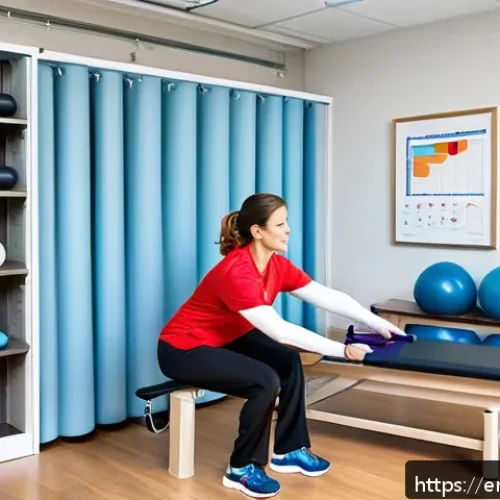
물리치료사의 실습 체험기 - **AI-Driven Diagnostics and Personalized Movement Analysis**
    "A clean, brightly lit modern physi...

Hey everyone! You know how sometimes you just *know* you’re passionate about something, even if the path seems a little daunting? That’s exactly how I felt diving headfirst into my physical therapy internship.

I’ve always been fascinated by how our bodies move and heal, and this experience truly pulled back the curtain on the incredible world of patient care and rehabilitation.

From tackling complex recovery journeys to witnessing cutting-edge tech – think AI-driven diagnostics and virtual reality rehab – and the growing focus on holistic well-being in our rapidly changing healthcare landscape, every single day was an eye-opener.

It’s not just about prescribing exercises; it’s about deep human connection, empathy, and making a tangible, lasting difference in people’s lives, often at their most vulnerable moments.

If you’ve ever wondered what it’s *really* like on the front lines of a modern PT clinic, navigating both challenges and triumphs, then you’re absolutely in for a treat.

Let’s dive in and explore the ins and outs together!

Unpacking the Human Element: Beyond the Exercise Sheets

물리치료사의 실습 체험기 - **AI-Driven Diagnostics and Personalized Movement Analysis**
    "A clean, brightly lit modern physi...

Stepping into the clinic for the first time, my eyes were wide open, eager to soak up everything. What truly struck me, though, wasn’t just the anatomy lessons or the intricate treatment plans; it was the raw, undeniable human element. Each patient walked through the door carrying not just a physical ailment but a whole story, a life impacted by their condition. I quickly learned that being a great physical therapist means being an even better listener. It’s about understanding their fears, their hopes, and what truly motivates them to push through discomfort. I remember one patient, an avid gardener, who was recovering from a knee replacement. For her, “getting better” wasn’t just about regaining mobility; it was about getting back to her prize-winning roses. That personal connection? It made all the difference in her commitment to therapy. It’s a humbling experience, realizing you’re not just treating a joint or a muscle, but helping someone reclaim a piece of their life and identity. This insight alone was worth every late night studying. You really feel like you’re making a tangible impact, which, let’s be honest, is why most of us get into healthcare in the first place.

The Power of Empathy in Patient Care

  • Honestly, sometimes the most effective therapy wasn’t a complex exercise, but simply taking the time to truly hear someone out. I found that patients responded so much better when they felt genuinely understood.
  • Learning to read body language and subtle cues became second nature. A wince, a sigh, a hesitation – these often spoke louder than words about what a patient was truly experiencing, both physically and emotionally.

Building Trust, One Session at a Time

  • Establishing trust early on is absolutely crucial. I noticed that patients who trusted their therapist were far more likely to adhere to their home exercise programs and see better, faster results.
  • Sharing a bit of your own human experience, when appropriate, can bridge that gap. It makes you relatable, not just a healthcare provider, but someone who genuinely cares.

Navigating the Tech Frontier: AI, VR, and Wearables in PT

Okay, let’s talk tech! Before my internship, I thought physical therapy was mostly about hands-on manipulation and basic exercises. Boy, was I wrong! I got to see firsthand how rapidly technology is integrating into the field, and it’s genuinely game-changing. We’re talking about AI-driven diagnostic tools that can analyze movement patterns with incredible precision, identifying subtle imbalances that the human eye might miss. Then there’s virtual reality, which isn’t just for gaming anymore. I witnessed patients using VR headsets to perform engaging exercises in simulated environments, making what could be tedious repetition feel like an interactive game. It boosts motivation significantly, and honestly, it looks like a ton of fun, even for tough rehab cases. Wearable sensors, too, are providing real-time feedback, allowing therapists to track progress outside the clinic and adjust programs on the fly. It’s like having a little assistant constantly monitoring and reporting back. This fusion of compassionate care with cutting-edge innovation is what’s truly shaping the future of physical therapy, and I’m incredibly excited to be a part of it. It feels like we’re just scratching the surface of what’s possible!

AI’s Role in Precision Diagnostics

  • I was blown away by how AI can sift through vast amounts of data to pinpoint specific movement dysfunctions, offering insights that significantly streamline the diagnostic process. It’s like having a super-powered detective for your body.
  • This precision means more tailored, effective treatment plans from day one, which translates to better outcomes for patients and less trial-and-error.

Virtual Reality: Making Rehab Engaging and Effective

  • Observing patients use VR for balance training or range-of-motion exercises was fascinating. The gamified aspect makes otherwise dull exercises exciting, which definitely helps with patient compliance and long-term engagement.
  • The immersive environments can also distract from pain, allowing patients to push a little further than they might otherwise.
Advertisement

The Holistic View: Beyond Physical Symptoms

One of the most profound lessons I took away from my internship was the absolute necessity of a holistic approach to patient care. It’s not enough to just focus on the injured ankle or the strained shoulder; you have to consider the whole person. How is their sleep? What’s their stress level like? Are they getting adequate nutrition? All these factors, which might seem unrelated at first glance, play a huge role in a patient’s recovery journey and overall well-being. We had therapists who integrated mindfulness techniques, provided dietary recommendations, and even helped patients connect with mental health professionals when appropriate. I even got to sit in on a few sessions where the focus was entirely on breathing exercises and relaxation, which had a noticeable positive impact on patients’ pain levels and anxiety. It really cemented for me that the body and mind are interconnected, and you can’t truly heal one without considering the other. This comprehensive approach not only helps patients recover faster but also equips them with tools for long-term health and resilience, preventing future injuries. It’s about empowering them to be active participants in their own wellness journey.

Integrating Mind-Body Practices

  • I saw firsthand how incorporating simple mindfulness exercises or guided meditation into a PT session could significantly reduce a patient’s perceived pain and improve their ability to cope with discomfort.
  • Teaching patients relaxation techniques not only aided their physical recovery but also helped manage the stress that often accompanies chronic pain or injury.

Nutrition and Lifestyle: The Unsung Heroes of Recovery

  • It became clear that what a patient does outside the clinic, especially regarding their diet and lifestyle, has a massive impact. Providing basic guidance on anti-inflammatory foods or adequate hydration really seemed to make a difference.
  • Encouraging consistent, healthy habits created a foundation for sustainable recovery, going far beyond the scope of just physical exercises.

The Communication Crucible: Building Rapport and Trust

You know, for all the talk about anatomy and biomechanics, I quickly realized that a physical therapist’s superpower often lies in their ability to communicate effectively. It’s a true crucible, where every interaction can either build or break the patient-therapist bond. I learned that it’s not just about giving instructions; it’s about explaining *why* certain exercises are important, in terms a patient can easily understand. I also discovered the subtle art of motivational interviewing—gently guiding patients to find their *own* reasons for adhering to therapy, rather than just telling them what to do. There was this one older gentleman, a bit resistant to therapy initially, who absolutely loved talking about classic cars. By simply taking a few minutes each session to chat about his hobby, I saw his entire demeanor change. He became more engaged, more compliant, and his progress accelerated dramatically. It wasn’t in any textbook, but that human connection, that shared moment, made all the difference. It taught me that sometimes, the most effective treatment tool isn’t a piece of equipment, but your own words and presence. It’s about making them feel seen and heard, especially when they’re at their most vulnerable. It feels incredibly rewarding when you finally click with a patient and see them light up, knowing you’ve truly connected.

Mastering Therapeutic Communication

  • Learning to translate complex medical jargon into plain English was a vital skill. Patients are far more likely to follow instructions when they understand the rationale behind them.
  • Active listening, mirroring, and asking open-ended questions helped me delve deeper into their concerns and tailor my approach more effectively.

Overcoming Communication Barriers

물리치료사의 실습 체험기 - **Immersive VR Rehabilitation for Balance Training**
    "A dynamic and engaging scene inside a cutt...

  • Each patient is unique, and sometimes cultural nuances or personal anxieties can create barriers. Adapting my communication style to suit each individual was a constant, fascinating challenge.
  • Finding common ground, even through small talk, often paved the way for more significant therapeutic breakthroughs.
Advertisement

Triumphs and Hurdles: The Rollercoaster of Recovery

My internship was a wild ride, a true rollercoaster of emotions, from immense triumphs to incredibly tough hurdles. There were days filled with pure elation, like when a patient who couldn’t lift their arm above their shoulder finally managed to reach for a high shelf, or when someone took their first independent steps after weeks of intense rehab. These moments are etched in my memory, serving as powerful reminders of why this profession is so incredibly rewarding. But then, there were also the challenging days. I witnessed patients struggling with chronic pain that seemed relentless, or those who faced setbacks despite their best efforts. It was incredibly difficult to see their frustration and sometimes, my own feeling of helplessness. Learning to navigate these emotional landscapes, both for the patient and for myself, was a crucial part of my growth. It taught me resilience, empathy, and the importance of celebrating every tiny victory. The key, I realized, was not just to treat the injury, but to support the individual through their entire emotional and physical journey. That resilience, that unwavering commitment from both patient and therapist, is what truly defines successful recovery in the long run. It’s truly a testament to the human spirit, and a journey I felt privileged to witness.

Celebrating Small Victories

  • Every little improvement, no matter how minor, was a huge win. I learned to emphasize these small successes to boost patient morale and keep them motivated through long recovery processes.
  • Seeing a patient’s face light up after achieving a goal they thought was impossible was, without a doubt, the most fulfilling part of my day.

Coping with Setbacks and Frustration

  • Not every day was a win. I observed how experienced therapists helped patients manage expectations and cope with plateaus or regressions, reminding them that recovery isn’t always a linear path.
  • Learning to provide emotional support and reassurance during tough times was just as important as prescribing the right exercises.

The Business of Healing: Understanding Clinic Operations

Beyond the direct patient care, my internship also gave me a fascinating peek behind the curtain at the operational side of a physical therapy clinic. It’s not just about providing excellent care; it’s also a business, with its own unique set of challenges and considerations. I learned about scheduling complexities, managing insurance claims (oh, the paperwork!), and the importance of efficient clinic flow to maximize patient access and therapist time. It truly opened my eyes to the delicate balance between compassionate care and financial sustainability. For instance, understanding how different insurance plans affect treatment durations or what documentation is required for reimbursement became a critical piece of the puzzle. I even got to observe some of the marketing efforts they put in, seeing how they communicate their value to the community to attract new patients. It’s a different kind of problem-solving, but equally vital to the clinic’s success. You realize that a smoothly run clinic allows therapists to focus more on what they do best – helping people heal – without getting bogged down by administrative hiccups. It’s like the intricate gears of a watch; every part needs to work seamlessly for the whole system to function beautifully. This experience gave me a well-rounded understanding of the PT world, from hands-on work to the broader economic landscape.

Navigating Insurance and Billing

  • The world of health insurance is incredibly complex! I gained a better understanding of how different plans, deductibles, and co-pays impact a patient’s ability to access and afford therapy.
  • Proper documentation isn’t just for medical records; it’s essential for ensuring the clinic gets reimbursed for its services, highlighting the administrative burden healthcare providers face.

Efficiency and Clinic Management

  • Observing how the front desk staff and administrators kept everything running smoothly was impressive. Efficient scheduling and patient intake are crucial for maximizing therapist time and reducing patient wait times.
  • Understanding the operational flow, from initial consultation to discharge, helped me appreciate the teamwork involved in delivering comprehensive care.
Aspect of PT Traditional Approach Modern / Internship Experience
Diagnostic Tools Primarily manual assessment, basic imaging. AI-driven movement analysis, advanced biomechanical sensors.
Treatment Delivery Clinic-centric, structured exercises, manual therapy. Hybrid models, VR/AR guided exercises, personalized digital home programs.
Patient Engagement Compliance through instruction and encouragement. Gamification, real-time feedback, interactive digital platforms.
Focus Scope Injury/condition specific. Holistic well-being, mind-body integration, preventative care.
Data Collection Subjective patient reports, therapist observations. Wearable tech for objective progress tracking, remote monitoring.
Advertisement

글을 마치며

After soaking in every moment of this incredible journey, it’s crystal clear to me that physical therapy is so much more than just a science; it’s a profound art of human connection and resilience. This internship wasn’t solely about mastering techniques; it was about learning to see the whole person, truly listen to their unique stories, and celebrate every single step of their individualized recovery path. The thrilling fusion of cutting-edge technology with genuine empathy is what makes this field truly exhilarating, and I feel incredibly lucky to have witnessed it firsthand. It’s an experience that’s completely reshaped my perspective, cementing my deep passion for helping others reclaim their lives with confidence and comfort.

알아두면 쓸모 있는 정보

1. Always prioritize active listening with your patients. Seriously, it’s not just about what they say, but also how they say it and what their body language communicates. Understanding their personal goals beyond just clinical milestones makes all the difference in their motivation and your treatment planning. It’s like being a detective for their well-being, picking up on those subtle clues that unlock their true potential for recovery and empower them to take charge. Trust me, a patient who feels genuinely heard is a patient who is engaged, committed, and much more likely to achieve lasting results. That personal connection can truly work wonders.

2. Embrace technology, but don’t let it replace human touch. Tools like AI diagnostics and VR rehab are incredible game-changers, offering precision and engagement we never had before. They can provide data, create immersive experiences, and streamline processes, making therapy more efficient and often more fun. However, the human element—your empathy, encouragement, and understanding—remains the absolute bedrock of effective physical therapy. It’s about leveraging tech to brilliantly enhance your compassionate care, not to diminish or replace the vital personal connection. Think of it as having powerful new allies, not replacements, in your profound healing mission; they simply amplify your ability to provide truly exceptional care.

3. Remember the holistic view. An injury in one part of the body can often be linked to other, seemingly unrelated, aspects of a person’s life, from chronic stress levels to inadequate sleep patterns or poor nutrition. Taking a moment to consider these broader influences, and gently inquiring about them, can provide invaluable insights and lead to far more comprehensive, lasting recovery. It’s about treating the entire individual, not just the isolated symptom, fostering overall wellness rather than just narrowly focused healing. This approach truly empowers patients for long-term health, giving them tools for sustainable well-being that extend far beyond the clinic walls.

4. Communication is your most powerful tool in the arsenal of healing. Learning to translate complex medical concepts and jargon into simple, relatable terms that a patient can easily grasp, and knowing how to effectively motivate them through both triumphant progress and challenging setbacks, is absolutely paramount. Building genuine rapport, even through brief, casual conversation about their interests, can profoundly transform a hesitant patient into a committed and enthusiastic partner in their own recovery journey. It builds trust, which is the foundational bedrock of any successful therapeutic relationship. I’ve seen this make a tangible and dramatic difference in patient outcomes time and time again; connecting on a human level is just as important as any exercise prescription.

5. Be incredibly patient with the process, for both yourself and your patients. Recovery is rarely, if ever, linear, and there will inevitably be both incredibly good days filled with progress and incredibly challenging ones marked by frustration or even setbacks. Learn to celebrate every small victory, no matter how minor it seems, and wisely learn from the setbacks, maintaining a resilient, positive outlook throughout. Your energy, unwavering belief in their potential, and consistent encouragement can be incredibly infectious and often provide the vital push a patient needs to keep going when things get tough. It’s a marathon, not a sprint, and your steadfast, unwavering support is a huge, invaluable part of crossing that finish line together, building their resilience along the way.

Advertisement

중요 사항 정리

Stepping away from my physical therapy internship, I’m genuinely buzzing with a wealth of insights that have profoundly solidified my passion for this field. What truly resonated and stuck with me is how deeply and intricately intertwined the technical aspects of therapy are with the profoundly human side of care. I’ve learned that while cutting-edge technology like AI and VR are indeed revolutionizing diagnostics and rehabilitation, offering precision and engagement never before possible, the absolute core of effective therapy still boils down to genuine empathy, unwavering trust, and truly listening to each patient’s unique story, struggles, and ultimate goals. It’s about fostering a comprehensive, holistic approach, recognizing that recovery isn’t just about precisely fixing a body part, but about compassionately supporting a whole person through their entire physical and emotional journey. Building strong communication bridges and understanding the emotional rollercoaster of recovery are just as crucial, if not more so, than prescribing the perfect exercise regimen. This invaluable experience has hammered home that being a truly great therapist means being a compassionate partner, empowering individuals to confidently reclaim their lives, one thoughtful, personalized, and deeply human step at a time. The blend of science, art, and profound human connection is precisely what makes this profession so incredibly rewarding, and I’m beyond excited for what’s next in this dynamic field.

Frequently Asked Questions (FAQ) 📖

Q: With all the talk about new tech like

A: I and VR, what truly surprised you most about patient care during your physical therapy internship? A1: Oh, that’s a fantastic question, and honestly, the answer might surprise you too!
Before stepping into the clinic, I had this idea that the cutting-edge tech, like AI-driven diagnostics and virtual reality rehab, would be the absolute game-changer.
And don’t get me wrong, those tools are mind-blowing and definitely pushing the boundaries of what’s possible in recovery. But what truly surprised me, the thing that stuck with me the most, wasn’t the machines or the algorithms.
It was the sheer resilience of the human spirit and the profound impact of genuine human connection. I saw patients, sometimes at their absolute lowest, battling incredibly complex recovery journeys.
While the tech provided invaluable data and innovative exercises, it was our ability to connect, to empathize, to really listen to their stories and fears, that seemed to unlock their inner strength.
There’s a magic in cheering someone on through a tough session, celebrating a tiny victory, and just being present for them. That human element, that deep, almost unspoken bond you form, is the real superpower in physical therapy.
It’s what transforms a prescription of exercises into a journey of healing, and frankly, it’s something no AI can ever replicate. It really put things into perspective for me, showing that while technology is a phenomenal aid, the heart of healthcare will always beat with human compassion.

Q: You mentioned ‘holistic well-being’ and ‘deep human connection.’ How do you see these fitting into the daily grind of a PT clinic, and how important are they really?

A: This is something I really grappled with and then wholeheartedly embraced during my internship. When you’re in the thick of it, it’s easy to get laser-focused on the physical symptoms – the stiff shoulder, the weak knee, the post-op recovery plan.
But what I quickly learned, by observing and then participating, is that a patient’s healing journey is never just physical. Our bodies are so intertwined with our minds and our emotional states.
You might have a patient doing all the right exercises, but if they’re stressed about work, struggling with isolation, or just feeling defeated, their progress can stall.
That’s where the ‘holistic well-being’ and ‘deep human connection’ really shine. It means looking beyond just the injury. It’s asking about their day, understanding their hobbies, seeing what motivates them, and acknowledging their frustrations.
I remember one patient who was recovering from a significant injury; their physical progress was slow, and I felt like we were hitting a wall. But after spending a little extra time just chatting about their passion for gardening, outside of their official ‘therapy time,’ their mood shifted.
We started incorporating movements that mimicked gardening tasks, and suddenly, they were more engaged, more motivated, and we saw a noticeable improvement.
It’s about treating the whole person, not just the diagnosis. And believe me, making that kind of connection not only makes the therapy more effective but also makes the work so much more rewarding and truly meaningful for us as therapists.
It’s absolutely crucial, not just ‘nice to have.’

Q: For someone just starting to explore physical therapy as a career, what’s one key piece of advice you’d share from your experience on the ‘front lines’?

A: If I could give just one piece of advice to someone eyeing a career in physical therapy, it would be this: Prepare to be a lifelong learner and an unwavering empath.
Seriously, those two qualities are your golden tickets. The field is constantly evolving – new research, new techniques, new technologies popping up all the time.
What’s considered best practice today might be refined tomorrow. So, having that hunger for knowledge, staying curious, and being open to adapting are absolutely non-negotiable.
But equally, if not more important, is cultivating deep empathy. You’re going to encounter people at some of their most vulnerable moments, facing pain, fear, and uncertainty.
It’s not enough to just know the anatomy and the exercises; you have to be able to step into their shoes, understand their struggles, and genuinely care about their journey.
I’ve seen firsthand how a therapist who truly listens, who offers compassion alongside competence, can make an enormous difference in a patient’s recovery and their overall quality of life.
My internship taught me that while the science is critical, the art of therapy lies in your ability to connect, to motivate, and to be a consistent source of support.
It’s a challenging path, for sure, with long hours and emotionally taxing situations, but if you approach it with an open mind and a genuinely compassionate heart, it’s one of the most incredibly rewarding professions out there.
Trust me, the feeling of helping someone reclaim their independence or overcome a physical barrier is beyond anything I could have imagined.