Hey everyone! As someone who’s spent years navigating the dynamic world of physical therapy, both as a student eager to learn and later as an instructor passionate about guiding the next generation, I can tell you firsthand that the journey from classroom theory to hands-on clinical practice is exhilarating, yet incredibly demanding.
Remember those moments of uncertainty when you first stepped into a clinic, or the struggle to effectively communicate complex concepts to a student while balancing patient care?
That’s precisely why a truly exceptional clinical instruction textbook isn’t just a resource; it’s an absolute lifeline. In today’s rapidly advancing healthcare landscape, with groundbreaking treatment modalities and innovative technologies emerging constantly, the role of a truly great textbook has become even more critical.
It acts as a reliable compass for both seasoned mentors shaping future professionals and aspiring therapists eager to master their craft. It’s about providing clear, actionable insights that genuinely bridge the academic-clinical divide, fostering confident, competent practitioners ready for anything the diverse patient population throws their way.
I’ve personally seen the profound difference a well-structured, experience-driven guide can make in transforming initial apprehension into genuine skill and unwavering confidence, and believe me, that’s a game-changer for everyone involved in clinical education.
Let’s explore exactly what makes these essential guides so incredibly impactful and how they’re evolving to meet tomorrow’s challenges.
The Shifting Landscape of Clinical Physical Therapy Education

Stepping into the world of physical therapy, whether as an eager student or a guiding instructor, you quickly realize that the textbooks we use are more than just collections of facts. They are living documents, evolving constantly to keep pace with an incredibly dynamic field. I’ve personally witnessed the profound shift over the past decade from purely theoretical manuals to comprehensive guides that truly prepare individuals for the complexities of real-world patient care. It’s no longer enough to simply outline anatomical structures or basic treatment protocols; today’s best resources delve deep into critical thinking, ethical dilemmas, and the subtle art of therapeutic communication. Think about the first time you had to explain a complex diagnosis to a worried family member, or adapt a treatment plan on the fly because a patient presented with unexpected symptoms – these are the moments where a truly integrated textbook shines, providing not just answers, but frameworks for problem-solving. It’s about building a foundation of knowledge that can bend without breaking, preparing practitioners who are resilient and adaptable in the face of constant change, and honestly, that’s what makes the job so rewarding yet challenging for everyone involved. The pace of research and technological advancements in our field means that what was cutting-edge yesterday might be standard practice today, and understanding how to continuously learn and integrate new information is paramount for both students and veteran clinicians alike.
Integrating Evidence-Based Practice into the Curriculum
-
One of the most exciting developments I’ve seen is how textbooks now seamlessly integrate evidence-based practice (EBP) into every chapter, not just as a standalone concept. This isn’t just about reciting research studies; it’s about teaching students how to critically appraise literature, understand statistical significance, and apply those findings to individual patient presentations. When I was a student, EBP sometimes felt like an add-on, something you learned to check a box. Now, it’s foundational, woven into every case study and clinical example, making it an intuitive part of decision-making rather than an afterthought. It’s about cultivating a mindset where asking “why” and “what does the evidence say?” becomes second nature. This proactive approach ensures that future therapists are not only skilled but also thoughtful and ethically grounded in their interventions.
-
I’ve used textbooks that walk you through a research article, highlighting key components and then immediately present a patient scenario where that research would inform treatment choices. This practical, hands-on approach to EBP is invaluable, mimicking the thought process we actually go through in the clinic. It moves beyond rote memorization, encouraging deep understanding and application, which, as I’ve learned through countless hours of teaching, is where true learning happens and where students really start to feel confident in their emerging skills. The ability to articulate the evidence behind a chosen intervention not only solidifies patient trust but also elevates the profession as a whole. Trust me, patients appreciate a therapist who can explain *why* something works, not just *that* it works.
From Rote Learning to Critical Thinking
-
The best textbooks today prioritize critical thinking exercises and problem-solving scenarios over simple recall. Rather than just presenting information, they challenge students to analyze complex patient cases, identify potential differential diagnoses, and formulate comprehensive treatment plans. I remember a particular textbook that included a series of “what would you do next?” prompts after each section, pushing me to think beyond the immediate facts and consider the broader clinical picture. This style of learning truly prepares students for the unpredictable nature of patient care, where no two cases are ever exactly alike, fostering a generation of therapists who can adapt and innovate. It’s about giving them the tools to think, not just to know, and that distinction is absolutely crucial in a field where every patient presents a unique puzzle to solve.
-
I’ve noticed a significant improvement in student engagement when textbooks incorporate interactive elements or prompts for discussion. These aren’t just dry questions; they often involve ethical dilemmas or ambiguous situations that require nuanced reasoning. This approach mirrors the real-life discussions we have in clinical settings, preparing students not just for exams, but for collegial consultation and collaborative problem-solving, which is a huge part of successful clinical practice. It makes the learning experience more dynamic and memorable, helping concepts stick long after the initial read. When students can articulate their reasoning and defend their choices, even in a hypothetical scenario, that’s when I know they’re truly grasping the material and building real confidence.
Crafting Confident Clinicians: Beyond Basic Knowledge
As an instructor, there’s nothing more rewarding than seeing a student transition from hesitant novice to confident practitioner. A truly exceptional clinical instruction textbook isn’t just about imparting knowledge; it’s about fostering that transformation, instilling the kind of self-assurance that comes from deep understanding and practical application. I’ve often told my students that the difference between a good therapist and a great one lies not just in what they know, but in how they apply that knowledge with empathy and precision. The best textbooks recognize this, integrating sections on professional communication, ethical decision-making, and cultural competence directly into the core content. These aren’t supplementary chapters; they are integral components that equip future therapists with the holistic skills needed to navigate the complex human element of healthcare. It’s about preparing them to handle the emotional weight of patient stories, to communicate effectively across diverse backgrounds, and to uphold the highest standards of professional integrity. When a textbook manages to touch on these humanistic aspects, it’s not just educating, it’s inspiring, and that’s a powerful thing to witness in both students and seasoned clinicians.
The Art of Effective Communication and Patient Education
-
Communication is arguably one of the most critical skills a physical therapist can possess, yet it’s often overlooked in early education. The most effective textbooks I’ve used dedicate significant attention to patient education strategies, motivational interviewing, and interprofessional communication. They provide scenarios that illustrate how to break down complex medical jargon into understandable language for patients and their families, or how to navigate difficult conversations. I remember a chapter that gave specific phrasing examples for explaining prognosis or pain management techniques, which was incredibly helpful when I first started practicing. These are the soft skills that make a monumental difference in patient adherence and outcomes, and having them thoroughly covered in a textbook means students are better prepared for those crucial interactions from day one. It’s about teaching students to listen actively and respond empathetically, transforming passive information exchange into a genuine therapeutic alliance.
-
The ability to effectively educate a patient about their condition and their role in rehabilitation is paramount to their success. I’ve personally seen patients thrive when they feel empowered with knowledge, and falter when they don’t understand the “why” behind their exercises. Top-tier textbooks now include practical tips and templates for creating patient education materials, discussing different learning styles, and even leveraging technology for engagement. This practical guidance helps students develop their own unique communication style, ensuring they can connect with a diverse patient population. It’s this kind of actionable advice that truly sets a textbook apart, moving beyond academic theory to direct clinical applicability, and making a tangible impact on patient engagement and, ultimately, their recovery journey. It’s amazing how much a patient’s buy-in can improve their outcomes, and effective communication is the key to unlocking that.
Ethical Dilemmas and Professionalism in Practice
-
Physical therapy, like all healthcare professions, is rife with ethical considerations, and the best textbooks don’t shy away from these challenging topics. They present realistic ethical dilemmas, from patient confidentiality breaches to conflicts of interest, and guide students through frameworks for analysis and resolution. This isn’t about providing easy answers, because often there aren’t any; it’s about teaching a systematic approach to ethical reasoning. I recall a particular case study in a textbook about a student who accidentally accessed a family member’s medical record, and the follow-up questions truly made me think about the ripple effects of such an action. These sections are crucial for developing moral compasses in future therapists, ensuring they uphold the highest standards of professionalism and patient advocacy. It’s about building a strong ethical foundation that will serve them throughout their entire career, preparing them to make tough decisions with integrity and confidence.
-
Professionalism extends beyond ethics to encompass everything from appearance and punctuality to maintaining boundaries and continuous professional development. Excellent textbooks provide guidance on navigating workplace dynamics, understanding legal responsibilities, and fostering a professional identity. They emphasize the importance of lifelong learning and adapting to new research and techniques. I often point my students to sections that discuss mentorship and professional organizations, encouraging them to seek out opportunities for growth and collaboration early in their careers. These insights are invaluable for shaping well-rounded professionals who are not only clinically competent but also responsible, respected members of the healthcare community. It’s about setting them up for a career of continuous improvement and contribution, making them valuable assets to any team.
Navigating the Modern Clinic: Technology and Techniques
The modern physical therapy clinic is a far cry from the settings even just a couple of decades ago. Technology has interwoven itself into almost every aspect of patient care, from diagnostic tools to therapeutic modalities and even administrative tasks. As someone who’s had to adapt to these changes throughout my career, I can confidently say that a clinical instruction textbook that doesn’t embrace and explain these advancements is simply falling short. We’re talking about everything from sophisticated gait analysis systems and virtual reality rehabilitation to electronic health records (EHRs) and telehealth platforms. The best resources don’t just list these technologies; they explain their underlying principles, practical applications, and crucially, their limitations and ethical considerations. My students often express relief when they encounter a textbook that demystifies these complex tools, giving them a practical understanding before they even set foot in a clinic. It’s about empowering them to not only use technology effectively but also to critically evaluate new innovations as they emerge. The pace of change means that understanding foundational concepts is even more important, allowing therapists to pivot and adopt new tools without losing sight of patient-centered care.
Embracing Digital Health and Telehealth Platforms
-
The past few years have undeniably accelerated the adoption of telehealth, and any current clinical instruction textbook worth its salt must address this new frontier. I’ve seen some incredible textbooks that include detailed sections on how to conduct effective virtual assessments, adapt therapeutic exercises for remote delivery, and navigate the unique challenges of building rapport through a screen. They also cover the important legal and reimbursement aspects, which can be a real headache for practitioners. When I first started experimenting with telehealth, I wished I had a resource that provided clear guidelines on setting up a home workspace for virtual sessions and managing patient privacy in a digital environment. These textbooks now fill that gap, preparing students for a healthcare landscape where remote care is becoming an increasingly vital component. It’s about expanding access to care and ensuring that therapists can provide high-quality interventions regardless of geographical barriers, which is truly exciting.
-
Beyond live video sessions, digital health encompasses a vast array of tools, including wearable sensors, mobile health applications, and remote monitoring devices. The leading textbooks now explore how these technologies can augment traditional therapy, providing objective data on patient progress, enhancing adherence to home exercise programs, and even offering gamified rehabilitation. I often share my own experiences with students about how a simple step tracker, integrated into a patient’s therapy plan, can significantly boost their motivation. These resources help students understand how to integrate these digital tools thoughtfully, ensuring they complement rather than replace human connection. It’s not just about using the tech, it’s about using it wisely and ethically to enhance patient outcomes and streamline clinical workflows, making our jobs more efficient and effective.
Advanced Modalities and Rehabilitation Technologies
-
From advanced electrotherapeutic modalities to robotics and virtual reality, the array of rehabilitation technologies available today is staggering. A truly comprehensive textbook breaks down these complex tools into digestible information, explaining the physiological basis, indications, contraindications, and practical application techniques. I specifically remember one textbook that had fantastic diagrams and step-by-step guides for setting up various machines, which was incredibly helpful during my own clinical rotations. These sections are crucial for ensuring students are not only familiar with new equipment but also understand *when* and *why* to use them, fostering critical decision-making rather than just procedural competence. It’s about equipping them with the knowledge to safely and effectively leverage these powerful tools to optimize patient recovery and improve functional outcomes. Understanding the science behind the technology is what truly differentiates a skilled therapist.
-
The integration of biomechanical analysis software and motion capture systems is another area where textbooks are making significant strides. They often include case studies demonstrating how objective data from these systems can inform treatment planning and track progress, offering a level of precision that was previously unattainable. I’ve used these systems myself and can attest to how invaluable they are for identifying subtle movement dysfunctions. The best textbooks not only explain how these systems work but also discuss how to interpret the data and translate it into actionable clinical interventions, preparing students to work with cutting-edge diagnostic tools. It’s an exciting time to be in physical therapy, and these advanced technologies, when taught effectively through quality textbooks, are truly revolutionizing how we assess and treat our patients, pushing the boundaries of what’s possible in rehabilitation.
The Mentor’s Toolkit: Resources for Clinical Educators
Being a clinical instructor is one of the most fulfilling, yet demanding roles in physical therapy. We’re not just supervising; we’re mentoring, assessing, and often shaping the very foundation of a student’s professional identity. That’s why having the right resources is absolutely paramount, and honestly, a stellar clinical instruction textbook isn’t just for the students—it’s an indispensable part of my own toolkit as an educator. I’ve leaned on these guides countless times, not just for reviewing specific conditions, but for finding new ways to explain complex concepts, developing effective evaluation strategies, and even for refreshing my own understanding of emerging best practices. The best textbooks for educators go beyond simply presenting information; they offer pedagogical strategies, practical tips for fostering critical thinking, and even advice on navigating difficult conversations with students. It’s about providing the support system we instructors need to do our best work, ensuring that we’re not only knowledgeable but also effective in transmitting that knowledge and experience to the next generation. Trust me, it makes a huge difference when you have a go-to resource that anticipates your needs as a teacher, allowing you to focus more on the student and less on scrambling for materials.
Strategies for Effective Clinical Supervision and Feedback
-
Providing constructive feedback is an art form, and it’s something many new instructors struggle with. The most valuable textbooks offer detailed guidance on various feedback models, emphasizing specificity, timeliness, and a focus on observable behaviors rather than personal traits. I’ve found sections that provide example scripts for delivering feedback, both positive and corrective, to be incredibly useful, helping me refine my own approach. They also delve into the importance of establishing clear expectations from the outset, something I always make sure to cover on a student’s first day. These resources empower instructors to create a supportive learning environment where students feel safe to make mistakes and grow from them, which is exactly what we want in clinical education. It’s about fostering a culture of continuous improvement, where every interaction is an opportunity for learning, for both the student and the instructor.
-
Clinical supervision involves more than just watching; it requires active coaching and the ability to adapt your teaching style to individual student needs. The best textbooks offer frameworks for different supervision models, discussing when to be more directive versus when to encourage independent problem-solving. They also address strategies for identifying and supporting students who may be struggling, offering practical interventions. I remember one textbook that had a section on “red flags” to look out for in student performance and suggested ways to intervene early, which I found incredibly insightful. These sections provide instructors with the tools to be truly effective mentors, guiding students through the challenging transition from theory to practice with empathy and expertise. It’s about helping students find their footing and build the confidence they need to become autonomous practitioners, which is the ultimate goal of any clinical placement.
Designing Engaging Learning Experiences for Students
-
Keeping students engaged and motivated during long clinical rotations can be challenging, but the right resources can make all the difference. Leading textbooks now include sections on instructional design principles, suggesting creative ways to structure learning activities, integrate case studies, and encourage active participation. I often refer to chapters that provide ideas for mock patient scenarios or role-playing exercises, which are fantastic for helping students practice their communication and clinical reasoning skills in a low-stakes environment. These practical tips help instructors move beyond passive observation, transforming clinical sites into dynamic learning laboratories. It’s about making learning an active, exciting process, where students are not just spectators but integral participants in their own education, leading to deeper understanding and retention. We want to spark their curiosity, not just fill their minds with facts.
-
Furthermore, some textbooks go as far as providing templates for developing student learning contracts or setting achievable goals, which can be invaluable for both the student and the instructor. They help clarify expectations and provide a roadmap for the learning journey, ensuring that students are focused and purposeful in their clinical experiences. I’ve found that when students have a clear understanding of what’s expected and how their progress will be measured, they are much more engaged and proactive in seeking out learning opportunities. These pedagogical tools transform what could be a passive observation into an active, goal-driven learning experience, ultimately leading to more competent and confident future therapists. It truly streamlines the educational process for everyone involved, making the clinical experience more structured and rewarding.
The Student’s Journey: From Apprehension to Mastery
Oh, the memories of those first few weeks in a clinical setting! It’s a mix of excitement, nerves, and a healthy dose of imposter syndrome, isn’t it? As someone who’s been there and guided countless students through it, I can tell you that a great clinical instruction textbook acts as a steady hand during that often-turbulent journey from classroom theory to actual patient care. It’s not just about recalling facts; it’s about translating abstract concepts into real-world applications, often under pressure. The best textbooks understand this emotional and cognitive leap, and they are designed to ease that transition, making complex information digestible and practical. They offer a sense of reassurance, providing a reliable reference point when you’re faced with an unfamiliar diagnosis or a challenging patient scenario. I’ve seen students visibly relax when they realize they have a trusted resource to turn to, one that anticipates their questions and offers clear, actionable guidance. It’s about building foundational confidence, equipping them not just with knowledge, but with the courage to apply it, to ask questions, and to learn from every interaction. This transformation from apprehension to a growing sense of mastery is truly the heart of clinical education, and these resources are pivotal in fostering it.
Developing Clinical Reasoning and Decision-Making Skills
-
Clinical reasoning is the cornerstone of effective physical therapy, and truly excellent textbooks prioritize its development from the very beginning. They don’t just present information; they structure it in a way that encourages students to connect the dots, identify patterns, and formulate logical treatment approaches. I’ve used textbooks that incorporate numerous case studies, each with probing questions that push students to think critically about patient presentation, differential diagnoses, and intervention choices. These aren’t simple multiple-choice questions; they require synthesis and analysis, mirroring the complex thought processes we engage in daily. This iterative process of analyzing, planning, and reflecting is vital for transforming raw knowledge into practical wisdom, preparing students to make sound clinical decisions even when faced with ambiguity. It’s about giving them a mental framework that they can apply to any patient, no matter how unique their presentation.
-
The transition from academic problem-solving to real-time clinical decision-making is immense. The most impactful textbooks bridge this gap by including practical flowcharts, decision trees, and algorithms that guide students through common clinical scenarios. I particularly recall a textbook that had a fantastic section on “red flags” and immediate actions for emergent situations, which provided crucial, quick-reference information when I was a student. These tools help students organize their thoughts under pressure, ensuring they consider all relevant factors before making a move. It’s about providing a safety net of structured thinking, allowing them to confidently navigate the complexities of patient assessment and intervention, while also knowing when to seek help. This systematic approach to decision-making is absolutely invaluable for new practitioners building their confidence in dynamic clinical environments.
Building Competence in Assessment and Intervention Techniques

-
Mastering assessment and intervention techniques requires hands-on practice, but a great textbook provides the essential theoretical underpinning and practical guidance. The best resources offer clear, concise descriptions of various tests and measures, complete with high-quality illustrations or photographic sequences that demonstrate proper technique. I remember how much I relied on a specific textbook’s detailed instructions for manual muscle testing and goniometry when I was first learning—it felt like having an expert standing right beside me. Beyond just “how-to,” these books delve into the rationale behind each technique, its psychometric properties, and how to interpret the findings, ensuring students understand the “why” as well as the “what.” This comprehensive approach lays a solid foundation, allowing students to refine their practical skills with a deeper understanding of the science. It’s about giving them the confidence to perform these techniques accurately and interpret the results meaningfully, which is crucial for effective patient care.
-
Furthermore, effective textbooks often include sections on adapting techniques for diverse patient populations, considering factors like age, cultural background, and co-morbidities. This sensitivity to individual patient needs is something that truly differentiates a skilled therapist. For instance, a chapter on pediatric interventions might highlight modifications for developmental stages, or a section on geriatric care might emphasize considerations for fragile skin or cognitive impairments. These nuanced discussions prepare students to provide truly patient-centered care, rather than a one-size-fits-all approach. It’s about empowering them to be adaptable and thoughtful in their approach, understanding that every patient is unique and requires a tailored intervention strategy. This depth of understanding is what truly elevates a student from merely competent to genuinely masterful in their craft.
Future-Proofing Physical Therapy Education: Adapting to Tomorrow’s Challenges
If there’s one constant in healthcare, it’s change. And as physical therapy professionals, both as educators and clinicians, we’re constantly looking over the horizon, trying to anticipate what’s next. That’s why the evolution of clinical instruction textbooks is so crucial; they aren’t just documenting the present, they’re shaping the future. The most forward-thinking resources are already integrating discussions about emerging fields like genomics in rehabilitation, advanced biomaterials, and the increasing role of artificial intelligence in diagnostics and personalized treatment plans. As someone deeply invested in guiding the next generation, I find it incredibly exciting to see how these textbooks are preparing students for a healthcare landscape that will undoubtedly look very different in a few years. It’s not about having all the answers now, because frankly, we don’t. It’s about fostering a mindset of curiosity, adaptability, and continuous learning, equipping future therapists with the intellectual agility to embrace innovation rather than fear it. This proactive approach ensures that our graduates are not just ready for today’s challenges but are also prepared to lead the profession into tomorrow, making them invaluable assets to any healthcare team and contributing to the advancement of patient care globally.
Integrating Emerging Technologies and Research Paradigms
-
The pace of technological innovation in physical therapy is breathtaking, and the best textbooks are quick to incorporate these advancements. We’re talking about everything from sophisticated neuroprosthetics and exoskeletons to advanced imaging techniques and personalized medicine. I’ve seen some fantastic sections that explore the ethical implications and practical applications of AI-driven diagnostics in rehabilitation, or the potential of virtual reality for pain management and motor retraining. These discussions are vital for preparing students to work alongside, and even help develop, these cutting-edge tools. It’s about moving beyond traditional modalities and embracing a future where technology amplifies our therapeutic capabilities, expanding the horizons of what’s possible in patient recovery. Students need to be literate in these areas to remain competitive and effective in a rapidly changing world. The ability to understand and integrate these tools effectively will be a hallmark of future leaders in our field.
-
Beyond technology, new research paradigms are constantly emerging, influencing how we approach prevention, assessment, and intervention. Textbooks are increasingly featuring content on topics like epigenetics, the gut-brain axis, and advanced pain neuroscience, providing a deeper understanding of complex health conditions. I find it fascinating how these resources are connecting seemingly disparate fields to offer a more holistic view of patient health. This interdisciplinary approach prepares students to engage with research at the forefront of the field, encouraging them to question existing paradigms and contribute to the body of knowledge themselves. It’s about cultivating a scientific mindset that drives innovation and pushes the boundaries of what physical therapy can achieve. Understanding these broader scientific contexts allows for truly comprehensive and individualized care, which is the ultimate goal.
The Role of Personalized Medicine and Preventive Care
-
The shift towards personalized medicine, tailoring interventions to an individual’s unique genetic, environmental, and lifestyle factors, is profoundly impacting physical therapy. Leading textbooks are now dedicating sections to this approach, discussing how genetic predispositions might influence recovery, or how lifestyle interventions can be customized for optimal outcomes. I’ve found these discussions incredibly valuable for moving beyond a “one-size-fits-all” mentality and truly focusing on the individual patient. This approach demands a deeper understanding of patient history, genetic factors, and environmental influences, making our assessments and interventions more precise and effective. It’s about recognizing the incredible diversity among our patients and harnessing that understanding to create truly bespoke rehabilitation plans. This level of individualized care is not only more effective but also deeply resonates with patients, fostering greater engagement and adherence.
-
Preventive care is another area where physical therapists are playing an increasingly vital role, and textbooks are reflecting this expanded scope of practice. They are incorporating content on wellness programs, injury prevention strategies for athletes and occupational settings, and the role of physical therapy in public health initiatives. I’ve seen some excellent chapters that provide frameworks for designing community-based exercise programs or developing educational campaigns to promote physical activity. These sections prepare students to be proactive advocates for health, not just reactive responders to injury or disease. It’s about empowering them to contribute to healthier communities and reduce the burden of preventable conditions, showcasing the broad impact physical therapy can have beyond the clinic walls. This proactive mindset is crucial for the future health of our populations and for the evolving role of our profession.
Optimizing Learning: Structured Approaches to Complex Concepts
Let’s be honest, physical therapy is a beast of a subject. The sheer volume of information, from intricate anatomy and physiology to a myriad of assessment techniques and intervention strategies, can feel overwhelming. That’s where the structure and pedagogical approach of a clinical instruction textbook truly shine. I’ve personally experienced the frustration of trying to wade through poorly organized material, and conversely, the immense relief when a textbook elegantly breaks down complex concepts into manageable, understandable chunks. The best resources aren’t just repositories of information; they are meticulously crafted learning tools designed to optimize comprehension and retention. They understand that different learners absorb information in different ways, and they employ a variety of strategies – from clear headings and subheadings to diagrams, flowcharts, and summary tables – to cater to diverse learning styles. It’s about providing a clear roadmap through a dense jungle of information, ensuring that students can navigate confidently and build knowledge systematically. When a textbook nails this, it transforms the learning experience from a chore into an engaging journey of discovery, and that’s a game-changer for both student success and instructor efficiency.
Visual Learning Aids and Interactive Elements
-
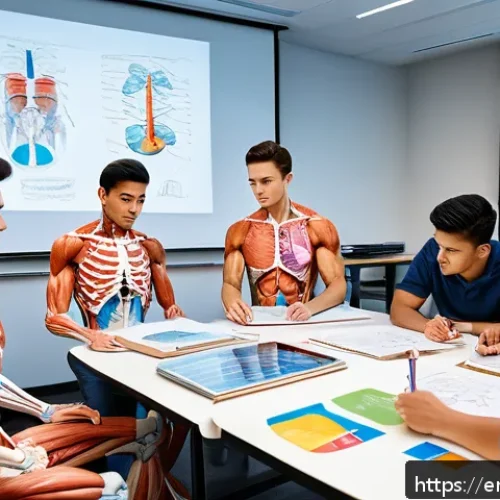
For many of us, especially in a hands-on field like physical therapy, visual learning is absolutely critical. The most effective textbooks are bursting with high-quality illustrations, anatomical diagrams, photographs of techniques, and clinical images that bring the text to life. I vividly remember a textbook that used overlay diagrams to show muscle attachments and nerve pathways, which made understanding complex regional anatomy so much clearer than just reading descriptions. These visual aids are not just decorative; they are integral to understanding spatial relationships, proper body mechanics, and the nuances of various assessments and interventions. When a picture truly clarifies a thousand words, it dramatically accelerates learning and improves retention, making the information stick long after the initial read. It’s about leveraging the power of visual communication to make even the most intricate concepts intuitive and accessible, catering to how many of us naturally process information. They allow you to “see” the concept, which is incredibly powerful.
-
Beyond static images, many modern textbooks are incorporating interactive elements, often through companion websites or integrated QR codes. These can link to video demonstrations of exercises, patient interviews, 3D anatomical models, or even interactive quizzes. I’ve found these incredibly useful for reinforcing concepts taught in class and for allowing students to practice at their own pace. For instance, being able to watch a video of a specific joint mobilization technique performed correctly, and then trying it myself, is far more effective than just reading about it. These dynamic resources transform the learning experience, making it more engaging and adaptable to individual learning needs, ensuring students have multiple avenues to grasp challenging material. This multimodal approach truly caters to the diverse needs of today’s learners and significantly enhances comprehension and practical skill acquisition.
Structured Summaries and Review Tools
-
Let’s face it, after diving deep into a complex chapter, it’s easy to lose sight of the main takeaways. That’s why structured summaries and review tools are absolutely essential. The best textbooks provide concise chapter summaries, key points, and often even concept maps that distill the most critical information. These aren’t just bullet points; they are thoughtfully organized recaps that help students consolidate their learning and identify areas where they might need further review. I recall relying heavily on these sections during exam prep, finding them invaluable for quickly refreshing my memory on key concepts and ensuring I hadn’t missed anything crucial. These tools are like a navigational compass at the end of a long journey, guiding you back to the most important landmarks and ensuring you’ve truly grasped the core message of the chapter. They’re a lifesaver for efficient and effective studying, helping to embed knowledge more deeply.
-
Furthermore, many textbooks now include end-of-chapter review questions, case studies with answers, or even self-assessment quizzes. These aren’t just for testing; they’re powerful learning tools that allow students to actively recall information, apply concepts, and identify gaps in their understanding. I always encourage my students to use these as active learning opportunities, not just as a final check. Some resources even offer clinical reasoning challenges where students work through a patient case from assessment to intervention, justifying each step. This active engagement with the material is far more effective than passive reading for solidifying knowledge and developing robust clinical skills. It’s about empowering students to take ownership of their learning, providing them with the means to effectively self-assess and strengthen their grasp of complex physical therapy principles. This kind of structured self-evaluation is key to truly mastering the material.
| Feature | Traditional Textbook Approach | Modern Clinical Instruction Textbook Approach |
|---|---|---|
| Content Focus | Primarily theoretical, foundational knowledge. | Integrated theory, practical application, and critical thinking. |
| Pedagogical Style | Linear reading, rote memorization encouraged. | Interactive, problem-based learning, case studies, self-assessment. |
| Technology Integration | Minimal, separate resources for digital tools. | Seamless integration of digital health, telehealth, advanced modalities via QR codes, online platforms. |
| EEAT Emphasis | Focus on expert authors and academic authority. | Expert authors with practical experience, real-world scenarios, emphasis on ethical and communication skills. |
| Instructor Support | Limited instructor resources, mainly answer keys. | Comprehensive instructor guides, feedback strategies, teaching methodologies. |
| Student Development | Knowledge acquisition. | Confidence building, critical reasoning, professional identity formation, adaptability. |
Empowering the Educator: Tools for Transformative Teaching
Let’s talk about us, the clinical educators. We’re often juggling patient care, administrative tasks, and the immense responsibility of molding future therapists. It’s a role I deeply cherish, but it’s not without its challenges. That’s why the evolution of clinical instruction textbooks isn’t just about what they offer students; it’s profoundly about how they empower *us* to be better teachers. I’ve discovered that the best resources are like having a seasoned mentor right there with you, offering fresh perspectives on teaching complex topics, suggesting innovative assessment methods, and even providing frameworks for managing tricky student situations. They move beyond being mere reference books for content and transform into pedagogical powerhouses, offering strategies that enrich the entire learning environment. This support is invaluable, freeing up our time to focus on the individualized needs of our students, to engage in meaningful discussions, and to share our experiential wisdom. When a textbook genuinely anticipates the needs of the educator, it elevates the quality of clinical instruction across the board, making the teaching process more effective, more enjoyable, and ultimately, more impactful for every student who walks through our clinic doors. This symbiotic relationship between a quality textbook and an empowered educator is what truly creates a transformative learning experience.
Developing Effective Curriculum and Learning Objectives
-
Designing a comprehensive clinical curriculum that meets accreditation standards while also providing real-world relevance is a huge undertaking. The most supportive textbooks offer guidance on aligning learning objectives with clinical competencies and developing varied learning activities. I’ve found sections that provide examples of measurable learning objectives particularly helpful, ensuring that what I’m teaching can be effectively assessed. These resources help us instructors structure clinical rotations so that students gain exposure to a diverse range of patient populations and conditions, fulfilling both academic requirements and practical learning needs. It’s about creating a coherent and progressive learning pathway that builds confidence and competence systematically. This kind of structured guidance is a game-changer for curriculum development, ensuring that every minute of a student’s clinical experience is purposeful and productive, leading to truly well-rounded practitioners. It means we can be confident our students are hitting all the necessary benchmarks.
-
Furthermore, some textbooks delve into different models of clinical education, discussing the pros and cons of various placement structures, such as one-on-one versus 2:1 student-to-instructor ratios. This kind of meta-level discussion about teaching methodologies is incredibly valuable for optimizing the learning environment. They also address how to integrate interprofessional education opportunities, preparing students to collaborate effectively within a healthcare team. I remember a textbook that had a fantastic checklist for preparing a clinical site for student placements, covering everything from orientation materials to emergency protocols. These practical tools streamline the administrative burden on instructors, allowing us to dedicate more energy to direct student mentorship and engagement. It’s about giving us the blueprints to build not just a classroom, but a thriving educational ecosystem where students can truly flourish and integrate into the broader healthcare community.
Assessing Student Performance and Progress
-
Fairly and accurately assessing student performance is one of the most critical responsibilities of a clinical instructor, and it requires robust tools and clear criteria. The best textbooks offer detailed guidance on various assessment methods, from daily performance evaluations and skills checklists to mid-term and final evaluations. They often include sample rubrics and competency frameworks that help standardize the assessment process, ensuring objectivity and transparency. I’ve personally adapted several assessment tools from textbooks to better suit my clinic’s specific needs, and they’ve been invaluable in providing consistent, constructive feedback. These resources help instructors identify areas of strength and areas needing improvement, guiding students towards mastery. It’s about making the evaluation process not just a grading exercise, but a powerful learning opportunity that drives student growth and development, preparing them for lifelong professional self-assessment. A clear evaluation framework eliminates ambiguity and empowers students to understand exactly where they stand and how to improve.
-
Beyond formal assessments, the subtle art of ongoing formative evaluation is crucial. Many forward-thinking textbooks now discuss strategies for informal assessment, such as structured questioning techniques, reflective journaling prompts, and peer feedback mechanisms. I’ve found that encouraging students to reflect on their daily experiences and challenge their own assumptions is incredibly powerful for fostering deeper learning. These sections help instructors cultivate a reflective practice among their students, encouraging self-correction and continuous improvement throughout their clinical rotations. It’s about moving beyond simply assigning a grade and instead fostering a deeper, more intrinsic motivation for learning and self-improvement. This holistic approach to assessment ensures that students are not only meeting benchmarks but are also developing the critical self-awareness needed to become truly exceptional and reflective practitioners, capable of continuously refining their skills long after graduation.
Concluding Thoughts
Phew! What a journey we’ve taken through the fascinating evolution of clinical physical therapy education. It’s truly incredible to see how far we’ve come from basic anatomical charts to dynamic, interactive resources that prepare future clinicians for the intricate dance of real-world patient care.
What truly excites me, both as an educator and a practitioner, is that these advancements are forging a new generation of therapists who are not just knowledgeable, but also empathetic, adaptable, and ready to lead our profession into an even brighter future.
The continuous innovation in how we teach and learn ensures that the heart of physical therapy—compassionate, evidence-based care—remains stronger than ever, and honestly, that’s something we can all be incredibly proud of.
Helpful Insights You Won’t Want to Miss
1. Embrace Continuous Learning: The landscape of physical therapy is constantly evolving with new research and technology. Staying curious and committing to lifelong learning will not only keep your skills sharp but also make your practice more rewarding and impactful for your patients.
2. Hone Your Communication Skills: Remember, effective communication is just as vital as your clinical prowess. Learning how to truly listen, explain complex concepts clearly, and build rapport with diverse patients will significantly enhance your therapeutic outcomes and patient satisfaction.
3. Integrate Technology Thoughtfully: While cutting-edge technology offers incredible potential, always approach it with a critical eye. Understand its strengths and limitations, and ensure its application enhances patient-centered care, rather than overshadowing the human connection we provide.
4. Seek Out Mentorship: Don’t underestimate the power of a good mentor. Connecting with experienced clinicians can offer invaluable guidance, practical wisdom, and support as you navigate your career. Their insights can smooth out many bumps in the road, whether you’re a student or a seasoned professional.
5. Prioritize Holistic Patient Care: Always remember that you’re treating a whole person, not just a condition. Integrating ethical considerations, cultural competence, and an understanding of psychosocial factors into every treatment plan ensures you provide truly comprehensive and impactful care.
Key Takeaways
The modern clinical instruction textbook is no longer just a static compendium of facts; it’s a vibrant, evolving toolkit designed to cultivate confident, critically thinking, and compassionate physical therapists.
From integrating robust evidence-based practices and fostering advanced clinical reasoning to embracing digital health and navigating complex ethical dilemmas, these resources are meticulously crafted to bridge the gap between academic theory and the dynamic realities of patient care.
For both students embarking on their journey and seasoned educators shaping the next generation, the focus has shifted towards experiential learning, empowering adaptability, and instilling the profound professional values that define excellence in physical therapy.
It’s about building a foundation that ensures our graduates are not only ready for today’s clinic but are also equipped to innovate and lead in the ever-changing healthcare landscape of tomorrow.
Frequently Asked Questions (FAQ) 📖
Q: What exactly makes a clinical instruction textbook truly “exceptional” in today’s fast-paced healthcare world?
A: Oh, this is a question I get asked all the time, and it’s such a great one! From my own personal journey, moving from a somewhat nervous student to someone now guiding the next generation of therapists, I’ve come to realize that an truly exceptional clinical instruction textbook isn’t just about dumping information on you.
No way. It’s about how that information is delivered, applied, and contextualized within the real world. What I’ve found makes a massive difference is when a textbook goes beyond just listing facts and truly dives into practical application.
Think about it: a great textbook offers clear, step-by-step guidance on patient assessment techniques that you can literally picture yourself performing in the clinic.
It presents diverse case studies that challenge your critical thinking, pushing you to consider different patient populations and complex scenarios, not just the textbook-perfect ones.
I also believe the best ones integrate the latest evidence-based practices seamlessly, showing you why certain approaches are effective, not just that they are.
And here’s the kicker for me: the ones that include wisdom and anecdotes from experienced clinicians – those little “aha!” moments or common pitfalls to avoid – those are absolute gold.
They prepare you not just for the what but for the how and the why, fostering that deep confidence you need when you’re working with real people. It’s like having a seasoned mentor right there on the page with you, believe me, that’s invaluable.
Q: How do these textbooks actually bridge that tricky gap between what we learn in the classroom and what we face in real clinic situations?
A: That “theory-to-practice gap” is such a real thing, isn’t it? It’s something every physical therapy student and even new instructor grapples with. I can vividly recall those moments in the clinic where a concept I’d studied for weeks suddenly felt completely different when a patient was actually in front of me.
This is precisely where a phenomenal clinical instruction textbook truly earns its stripes. The best ones are designed to be that crucial bridge, offering not just theoretical knowledge but also practical insights into clinical reasoning and decision-making.
They do this by providing realistic patient scenarios, complete with diagnostic challenges and ethical considerations, much like what you’d encounter daily.
I’ve seen textbooks that include detailed clinical vignettes or even video links that demonstrate techniques in a way a lecture never could. They also often provide decision trees or algorithms that help you navigate complex patient presentations, offering a structured approach when you might otherwise feel overwhelmed.
What I’ve personally valued are the sections that address communication strategies with patients and other healthcare professionals – skills often overlooked in pure academic settings but absolutely vital in the clinic.
It’s about building a robust framework for critical thinking and problem-solving, so you’re not just memorizing, but truly understanding how to apply your knowledge flexibly to unique individuals.
Trust me, having those tools at your fingertips makes all the difference when you’re transitioning from the safety of the classroom to the dynamic world of patient care.
Q: With so many new treatments and tech coming out, why is a textbook still so crucial for both new students and experienced instructors?
A: You’re absolutely right to point out how quickly things are advancing in healthcare – it’s exhilarating and, honestly, a little dizzying at times! But here’s the thing, despite all the cool new tech and innovative treatments popping up, the foundational principles of physical therapy and effective clinical instruction remain paramount.
A top-tier textbook isn’t just a static collection of old information; it’s a living, evolving resource. For students, it provides that solid bedrock of understanding, explaining why certain fundamental assessments and interventions are still the gold standard, even when new technologies emerge to augment them.
It teaches you the core critical thinking skills that allow you to adapt to any new modality, rather than just blindly applying it. And for us instructors?
Believe me, it’s an indispensable tool for ensuring consistency and depth in our teaching. It helps us structure our curriculum around evidence-based practices, providing a comprehensive reference point for discussing new research and integrating it thoughtfully into practice.
I’ve personally used these updated textbooks to keep my own knowledge sharp and to anticipate the questions my students will have about the latest trends.
They often include sections on professional development, ethical considerations in a changing landscape, and even guidance on navigating interprofessional collaboration, which are more important than ever.
So, while technology certainly adds new layers to our profession, a well-crafted textbook still serves as the essential compass, guiding both novices and seasoned professionals through the exciting, ever-changing landscape of physical therapy.
It’s about building a strong foundation that allows you to confidently embrace the future, not just react to it.