The Thriving Physical Therapy Job Market: Essential Trends for Your Future Success

webmaster

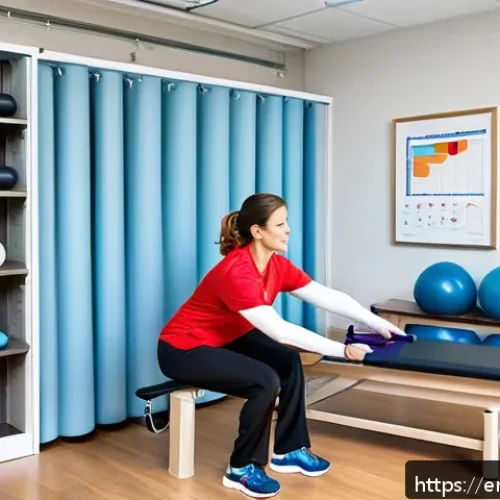
물리치료사 취업 시장 동향 - **Specialized Vestibular Rehabilitation:** A focused female physical therapist (30s, wearing profess...

Hey there, future-forward PTs and aspiring therapists! Have you been feeling that buzz in the air about what’s next for physical therapy careers? I know I have!

물리치료사 취업 시장 동향 관련 이미지 1

It seems like every other week there’s a new development shaping our incredible profession. From the soaring demand for specialized care in an aging population to the exciting leaps in technology and telehealth, the physical therapy job market is a dynamic beast, constantly evolving.

I’ve personally experienced the shift from traditional clinic settings to more diverse roles, and honestly, it’s both challenging and incredibly thrilling to navigate.

What does this mean for your career path? How can you not just survive, but truly thrive in this ever-changing landscape? Staying on top of these trends isn’t just good practice; it’s absolutely essential for securing those prime positions and making a real impact.

It’s about understanding where the opportunities are emerging and how you can position yourself for lasting success. Let’s peel back the layers and uncover precisely what’s happening.

Navigating the Niche: Specialization is Key

Alright, let’s talk about standing out in a crowded room. You know, when I first started out, it felt like being a “generalist” was the way to go. But honestly, times have changed dramatically! What I’ve seen firsthand is that the physical therapists who are truly thriving are the ones who’ve honed in on a specific niche. Think about it: when someone needs a PT for, say, vestibular issues or pelvic floor dysfunction, they’re not just looking for *any* PT; they’re looking for *the* PT. Specialization isn’t just about becoming an expert; it’s about becoming indispensable. It helps you carve out a unique professional identity, attracts a very specific client base that values your specialized knowledge, and often, it translates into better compensation because you’re offering a service that fewer others can. From my own journey, I can tell you that picking a niche that genuinely excites you makes the continuous learning process so much more enjoyable and less like a chore. It transforms your work from just a job into a true passion project.

The Power of Certification: Standing Out from the Crowd

If you really want to differentiate yourself, those certifications aren’t just fancy pieces of paper; they’re genuine game-changers. I remember years ago debating whether to pursue a specific certification, wondering if the time and financial investment would truly pay off. Let me tell you, it absolutely did! Having that extra credential, whether it’s in orthopedics, sports physical therapy, neurological rehabilitation, or even something newer like dry needling, instantly elevates your perceived expertise. It tells potential clients and employers that you’ve gone the extra mile, dedicated yourself to a rigorous learning process, and demonstrated a high level of competency in a specific area. I’ve personally seen how a strong certification can open doors to specialized clinics, allow for higher billing rates in private practice, and simply give you that extra boost of confidence when you’re marketing your services. It’s a clear signal to the market: “I am not just good; I am certified excellent in this particular field.”

Emerging Specialties: Where the Demand Is Soaring

It’s fascinating to watch how the landscape of PT is constantly evolving, isn’t it? Beyond the traditional specialties, I’ve noticed a significant surge in demand for areas that were once considered niche or even experimental. Think about things like concussions and post-concussion syndrome management, or the rapidly growing field of women’s and men’s pelvic health. Even areas like performing arts physical therapy or specialized care for gamers are seeing incredible growth. The aging population continues to drive demand for geriatric PT, but with a renewed focus on maintaining active lifestyles rather than just recovering from acute issues. It’s like a whole new world is opening up. I recently met a therapist specializing in equestrian injuries, and it was a real eye-opener to see how deeply embedded and valued her expertise was within that community. Keeping an ear to the ground for these emerging areas, maybe even attending a few workshops or webinars, could really spark an idea for your next career move and position you perfectly for future success.

The Digital Shift: Telehealth and Remote Care Revolution

Can we just talk about how much telehealth has changed everything? Before, the idea of doing a PT session from my living room felt like something out of a sci-fi movie. But now, it’s not just normal, it’s essential! I remember the initial scramble to adapt when the world went virtual, and honestly, it felt a bit clunky at first. But rapidly, it became clear that this wasn’t just a temporary fix; it was a fundamental shift. Telehealth has completely redefined accessibility for so many patients who might struggle with transportation, have demanding schedules, or live in rural areas with limited access to specialized care. For us as therapists, it’s opened up new avenues for reaching clients beyond our immediate geographical location, which is a massive game-changer for building a broader practice. I’ve personally been able to connect with patients who would never have been able to make it into a physical clinic, and the results have been genuinely surprising and incredibly rewarding.

Mastering Virtual Consultations: Skills for Success

It’s one thing to do in-person assessments; it’s an entirely different beast to effectively conduct a virtual consultation. I’ve had to really hone my skills in this area, and let me tell you, it’s a continuous learning process! You quickly learn that your communication needs to be even more precise, your observational skills sharper, and your ability to guide a patient through self-assessment and exercises absolutely top-notch. Things like using clear verbal cues, demonstrating movements effectively on camera, and even learning to interpret subtle non-verbal cues through a screen become incredibly important. I’ve found that having a stable internet connection and good lighting are non-negotiables, and teaching patients how to set up their own space for optimal viewing makes a huge difference. Building rapport virtually can be a challenge, but with a bit of extra effort, genuine empathy, and perhaps a touch more humor than usual, it’s absolutely achievable. It’s about adapting your therapeutic presence to a digital medium without losing any of its warmth or effectiveness.

Bridging Gaps: Accessibility and Reach through Digital Platforms

One of the most profound impacts of the digital revolution in physical therapy, for me, has been its ability to bridge significant gaps in healthcare access. I’ve seen firsthand how it can empower individuals who might have previously faced insurmountable barriers to receiving consistent, high-quality care. Whether it’s a busy parent who can only fit in a session during their lunch break at home, or an elderly individual living miles away from the nearest clinic, telehealth has made quality PT a tangible reality. This isn’t just about convenience; it’s about equity. As therapists, we now have an incredible opportunity to extend our reach and impact lives in communities that were previously underserved. It also allows us to consult with specialists more easily, or even participate in interdisciplinary care teams remotely. The potential for growth and positive patient outcomes here is immense, and honestly, it makes me incredibly optimistic about the future of our profession. We’re not just treating injuries; we’re breaking down geographical and logistical barriers to wellness.

Advertisement

Beyond the Clinic Walls: Expanding Practice Settings

You know, when I first graduated, the world of physical therapy seemed pretty defined: hospital, outpatient clinic, maybe a rehab center. But wow, has that landscape ever broadened! What I’ve seen over my career is this incredible explosion of opportunities that take us way beyond those traditional four walls. It’s exhilarating, frankly, because it means we’re no longer confined to one type of patient or one kind of treatment environment. This diversification isn’t just good for us as professionals, offering more variety and preventing burnout; it’s fantastic for patients too, as it brings care closer to where they live, work, and play. I’ve had friends transition from busy clinics to roles I never even imagined existed, and they’re absolutely loving the change. It speaks volumes about the versatility and adaptability of our skills that we can apply them in such a wide array of settings.

Corporate Wellness and Occupational Health: New Frontiers

Here’s an area that truly excites me: corporate wellness and occupational health. It’s a proactive approach to physical well-being, rather than purely reactive. I’ve seen PTs move into roles within large corporations, designing ergonomic workstations, leading injury prevention workshops, and even providing on-site early intervention for musculoskeletal issues. It’s about keeping employees healthy, productive, and happy, which, let’s be honest, is a win-win for everyone involved. The focus shifts from “fixing” an injury after it happens to “preventing” it from occurring in the first place, and that’s incredibly empowering. I even dabbled in some consulting for a tech company, helping them optimize their office setup, and it was fascinating to see the direct impact our advice had on employee comfort and productivity. This area allows us to use our diagnostic and preventative skills in a completely different, yet equally impactful, way.

Home Health and Mobile PT: The Convenience Factor

And then there’s the whole realm of home health and mobile physical therapy, which has absolutely exploded. People are increasingly valuing convenience and personalized care, and having a PT come directly to their home addresses both beautifully. I’ve heard countless stories from colleagues about the unique insights they gain by treating patients in their own environment – seeing firsthand the obstacles someone faces navigating their own home, or observing their functional limitations in real-world scenarios. It’s a level of context you just can’t get in a clinic. Plus, for many patients recovering from surgery or managing chronic conditions, leaving the house can be a huge hurdle. Being able to receive expert care without that added stress makes a world of difference. It’s a challenging but incredibly rewarding path, offering flexibility for both the therapist and the patient, and it truly embodies patient-centered care.

Tech-Driven Therapies: Embracing Innovation

Okay, let’s get real about technology for a minute. If you told me ten years ago that I’d be using virtual reality headsets or analyzing data from wearable sensors in my practice, I probably would have laughed! But here we are, and it’s truly incredible to witness – and participate in – the integration of cutting-edge technology into physical therapy. It’s not about replacing the human touch; it’s about enhancing it, giving us tools we never had before to assess, treat, and monitor our patients more effectively. I’ve found that patients, especially younger ones, are often more engaged and motivated when technology is incorporated into their treatment plans. It makes therapy feel less like a chore and more like an interactive experience. Embracing these innovations isn’t just a trend; it’s becoming a fundamental part of providing the best possible care, and honestly, it keeps our work exciting and fresh!

Wearables and AI: Enhancing Patient Outcomes

Think about it: fitness trackers, smartwatches, even specialized sensors that can measure gait, balance, and range of motion with incredible precision. These wearables are giving us a treasure trove of objective data that was once incredibly difficult to capture outside of a lab setting. And when you combine that with artificial intelligence, which can analyze vast amounts of data to identify patterns, predict risks, and even personalize exercise prescriptions, we’re talking about a whole new level of patient care. I’ve been experimenting with some AI-driven tools that help me track patient progress remotely, and it’s allowed for such precise adjustments to their home exercise programs. It takes some getting used to, interpreting all that data, but once you do, it feels like having a superpower. It allows for a continuous feedback loop that ensures patients are consistently challenged and progressing optimally, even between sessions.

Virtual Reality in Rehab: Engaging and Effective Solutions

And then there’s VR – virtual reality! This one blows my mind every time I see it in action. Imagine a stroke patient working on their balance by navigating a virtual grocery store, or an athlete recovering from an ACL tear performing agility drills in a simulated sports environment. The immersive nature of VR can make repetitive, often tedious, rehabilitation exercises feel like a game. It boosts engagement, provides immediate feedback, and can be tailored to an individual’s specific deficits in ways traditional therapy sometimes struggles to match. I recently worked with a patient who had significant fear of falling, and using a VR program designed to gently challenge their balance in a safe, controlled virtual environment made a huge difference in their confidence levels. It’s not just about making therapy “fun”; it’s about creating highly motivating and effective therapeutic experiences that translate into real-world improvements.

Advertisement

Lifelong Learning: The Continuous Upskilling Imperative

If there’s one thing I’ve learned in this profession, it’s that you can never, ever stop learning. It’s not just a nice idea; it’s an absolute imperative if you want to stay relevant, effective, and truly excellent at what you do. The moment you think you know it all, that’s precisely when you start falling behind. New research emerges daily, treatment techniques evolve, and our understanding of the human body and mind deepens constantly. I still remember the excitement of discovering a new manual therapy technique that completely changed how I approached a particular type of back pain. That feeling of unlocking a new level of understanding, and then being able to apply it to genuinely help someone, is what keeps me going. Investing in yourself through continuous learning isn’t just good for your patients; it’s incredibly fulfilling on a personal level and ensures your career remains vibrant and challenging.

Post-Professional Education: Investing in Yourself

This isn’t just about ticking off continuing education units (CEUs) to maintain your license, though those are important too! I’m talking about going deeper – pursuing advanced certifications, maybe a fellowship, or even a specialized doctoral program. These are the investments that truly differentiate you. It requires a significant commitment of time and money, but the return on investment, both professionally and personally, can be immense. I’ve always viewed these opportunities not as expenses, but as strategic moves to elevate my expertise and expand my clinical toolkit. When you commit to a rigorous post-professional program, you’re not just gaining knowledge; you’re often building invaluable networks with other driven professionals and gaining mentorship from leaders in your field. It’s like going from being a good general mechanic to becoming a specialist in high-performance engines – your value instantly skyrockets.

Adapting to Change: Why Flexibility Matters

Beyond formal education, there’s a softer, yet equally critical, skill: adaptability. The world around us is changing at warp speed, and our profession is no exception. Think about the sudden pivot to telehealth we all had to make, or the continuous updates to billing codes and insurance regulations. Being rigid in your approach or resistant to new ideas is a surefire way to get left behind. I’ve seen colleagues struggle because they were unwilling to embrace new technologies or adjust their clinical reasoning based on emerging evidence. On the flip side, those who are naturally curious, open-minded, and willing to experiment with new methods are the ones who seem to navigate these changes with grace and even excitement. It’s about cultivating a growth mindset, understanding that challenges are opportunities in disguise, and always being ready to learn, unlearn, and relearn. This kind of flexibility isn’t just a professional asset; it makes life a whole lot less stressful too!

물리치료사 취업 시장 동향 관련 이미지 2

Financial Acumen: Understanding the Business of PT

Let’s be honest, we didn’t go into physical therapy for the spreadsheets and financial statements, right? Most of us are here because we genuinely want to help people move better and live healthier lives. But, and this is a big “but,” ignoring the business side of our profession is a huge mistake. I’ve come to realize that understanding the financial mechanics, whether you work in a large hospital system, a private clinic, or are dreaming of opening your own practice, is absolutely crucial for long-term success and sustainability. It’s about more than just billing and coding; it’s about understanding market trends, patient demographics, operational efficiency, and even how to effectively market your services. I remember feeling overwhelmed by it all at first, but once I started learning, it felt like I gained a whole new lens through which to view my career.

Diverse Revenue Streams: Beyond Traditional Billing

Reliance solely on traditional insurance reimbursement can be a real rollercoaster, as many of us have experienced. That’s why exploring diverse revenue streams isn’t just smart; it’s almost essential in today’s economic climate. I’ve seen colleagues successfully integrate cash-based services like performance coaching, specialized wellness programs, or even subscription models for preventative care. Think about offering workshops on injury prevention for runners, ergonomic assessments for remote workers, or post-rehab fitness classes. These aren’t just ways to boost your income; they also allow you to serve a broader population and often provide a more direct, value-based relationship with your clients. I’ve personally found immense satisfaction in developing programs that aren’t tied to insurance constraints, giving me more freedom to provide truly personalized care that aligns with my values as a therapist.

Entrepreneurial Spirit: Starting Your Own Practice

For many of us, the dream of owning our own practice is incredibly compelling. The idea of having complete control over your patient care philosophy, your work-life balance, and your income potential is really attractive. But let me tell you, it’s not for the faint of heart! It takes a serious entrepreneurial spirit, a willingness to wear many hats (therapist, marketer, accountant, HR manager), and a solid business plan. I’ve had friends who made the leap, and while they all talk about the challenges, they also speak with immense pride about building something from the ground up. It’s a journey of learning, resilience, and incredible growth. If you’re thinking about it, start small, maybe with a mobile practice or by subleasing space part-time, and gradually build your way up. Understanding market demand, identifying your unique selling proposition, and building a strong network are critical first steps.

Advertisement

Advocacy and Policy: Shaping Our Future

Sometimes, it’s easy to get lost in the day-to-day of treating patients and forget about the bigger picture. But honestly, if we want to ensure our profession continues to thrive and evolve, we simply cannot afford to ignore advocacy and policy. The decisions made by lawmakers, insurance companies, and healthcare administrators directly impact our ability to practice, how we get paid, and ultimately, the quality of care our patients receive. I’ve realized over the years that our collective voice, when organized and passionate, can actually drive significant change. It might seem daunting to get involved, but even small actions can have a ripple effect. It’s about protecting our scope of practice, ensuring fair reimbursement, and positioning physical therapy as an essential, first-line healthcare service. This isn’t just about us; it’s about advocating for the best interests of every patient who walks through our doors or connects with us online.

Lobbying for Our Profession: A Collective Effort

This might sound a bit formal, but lobbying isn’t just for big corporations; it’s for us too! Our professional organizations, like the American Physical Therapy Association (APTA) here in the States, do an incredible job of representing our interests in state capitals and Washington D.C. They fight for direct access, fair reimbursement rates, and expanding our scope of practice. I’ve personally seen how a targeted campaign to contact legislators about a specific bill can actually sway votes. It’s about sharing our stories, explaining the value we bring to the healthcare system, and educating policymakers who might not fully understand what we do. Attending a local advocacy day, writing an email to your representative, or simply staying informed about legislative issues are all powerful ways to contribute. Remember, individually we might be just one voice, but together, we’re a force to be reckoned with.

Understanding Healthcare Legislation: Impact on Practice

Staying up-to-date on healthcare legislation and policy changes isn’t just good citizenship; it’s absolutely crucial for running a successful practice. I can’t tell you how many times a change in Medicare policy or a new state law has directly impacted how I operate. It affects everything from how we document our sessions to what services are covered by insurance, and even our licensing requirements. Ignoring these changes can lead to compliance issues, denied claims, and a whole lot of unnecessary headaches. It’s like playing a game without knowing the rules! I’ve made it a point to regularly check updates from professional organizations and even subscribe to industry newsletters that break down complex legislative jargon into understandable terms. Being proactive and informed allows you to adapt your practice strategically, rather than being caught off guard, and ensures you can continue to provide uninterrupted, high-quality care to your patients.

Trend Category Key Opportunity / Benefit Skills to Cultivate
Specialization Higher demand for niche expertise, increased earning potential Advanced certifications, continuous research, mentorship
Telehealth / Remote Care Expanded patient reach, improved accessibility, flexible practice models Virtual communication, digital assessment, tech literacy
Diverse Practice Settings New career paths (e.g., corporate wellness, home health), reduced burnout Adaptability, interdisciplinary collaboration, business development
Tech Integration Enhanced patient outcomes, data-driven treatment, engaging therapy Proficiency with wearables/VR, data analysis, understanding AI applications
Lifelong Learning Stay relevant, provide cutting-edge care, personal and professional growth Growth mindset, post-professional education, critical appraisal of research
Financial Acumen Sustainable practice, diverse revenue streams, potential for entrepreneurship Budgeting, marketing, business planning, understanding billing/coding
Advocacy & Policy Shape profession’s future, protect scope of practice, ensure fair compensation Legislative awareness, communication with policymakers, professional organization involvement

Wrapping Up Our Journey

Wow, what a journey through the ever-evolving world of physical therapy! It’s clear that our profession is more dynamic and exciting than ever, brimming with opportunities for those willing to adapt, learn, and specialize. From embracing cutting-edge tech to navigating the business side of things and even shaping policy, the future is bright for proactive PTs. I hope this deep dive has sparked some ideas and perhaps even ignited a new passion within you. Remember, the key to thriving isn’t just about what you know, but how you continuously grow and apply that knowledge.

Advertisement

Useful Information to Know

1. Networking is Gold: Seriously, connect with other therapists, specialists, and even professionals in related fields. You never know where your next big opportunity or learning experience will come from. I’ve found some of my best mentors and collaborators through professional meet-ups and online forums.

2. Patient Feedback is Your Compass: Always listen intently to your patients. Their experiences and needs should guide your specialization choices and how you adapt your practice. It’s how you build true trust and a loyal client base, and often, it highlights unmet needs in the market.

3. Embrace Technology, Don’t Fear It: Whether it’s a new EMR system, a telehealth platform, or wearable tech, lean into it. The initial learning curve might feel steep, but the efficiency gains and enhanced patient outcomes are absolutely worth it. I’ve seen firsthand how a little tech savvy can differentiate your practice.

4. Balance Your Passions with Practicality: While it’s wonderful to follow your passion into a niche, make sure there’s a sustainable demand for it. Do your research, talk to people, and ensure your specialization aligns with market needs for long-term success. It’s all about finding that sweet spot.

5. Self-Care Isn’t a Luxury, It’s a Necessity: In a demanding profession like ours, it’s easy to pour everything into our patients and forget ourselves. Remember to take breaks, pursue hobbies, and maintain your own physical and mental well-being. A refreshed therapist is a better therapist for everyone.

Key Takeaways

Staying ahead in physical therapy means embracing specialization, leveraging technology like telehealth and AI, exploring diverse practice settings, and committing to lifelong learning. Don’t forget the crucial role of financial savvy and advocating for our profession. Our collective future depends on our adaptability and continuous growth.

Frequently Asked Questions (FAQ) 📖

Q: With all the rapid shifts happening, what specific areas or specializations within physical therapy are genuinely seeing the most exciting growth and demand right now, especially considering our aging population?

A: Oh, this is such a fantastic question, and honestly, it’s one I get asked a lot! From my vantage point, and what I’ve seen playing out in the field, it’s clear that areas focusing on age-related conditions are booming.
Geriatric physical therapy is a no-brainer, of course, but it’s more nuanced than just general care. We’re talking specialized clinics for balance and fall prevention, which are absolutely critical for maintaining independence.
I’ve also seen a massive uptick in neurological rehabilitation, particularly for post-stroke recovery or managing conditions like Parkinson’s, as our population lives longer with complex health needs.
Beyond that, don’t sleep on niches like pelvic health. It’s a field that’s truly gaining the recognition it deserves, serving a broad age range but becoming increasingly vital for older adults.
Think about urinary incontinence or chronic pelvic pain – these aren’t just quality-of-life issues; they’re huge barriers to active living. And speaking of active living, specialized strength and conditioning programs tailored for older adults are also on the rise.
It’s not just about treating pathology; it’s about empowering people to live their fullest lives, and those PTs who truly excel in these specialized, high-demand areas are the ones I see thriving and making incredible impacts every single day.

Q: It feels like technology and telehealth are everywhere these days. How are these advancements truly changing the daily grind for us physical therapists, and what new skills should we be prioritizing to really keep up and excel in this new landscape?

A: You’re absolutely right, the tech wave is undeniable, and it’s truly reshaping our clinical practice in exciting ways! For me, personally, embracing telehealth has been a game-changer.
It’s opened up incredible opportunities to reach patients who might otherwise struggle with access, whether due to geographical barriers, mobility issues, or just busy schedules.
My sessions now often involve a mix of in-person and virtual follow-ups, which means I’ve had to seriously sharpen my communication skills to convey exercises and assess movement effectively through a screen.
It’s a different kind of patient interaction, demanding crystal-clear verbal cues and a keen eye for subtle visual information. Beyond telehealth, I’m seeing more and more integration of wearable tech and remote monitoring devices.
These tools allow us to track patient activity, sleep patterns, and even specific joint movements between sessions, giving us a more objective picture of progress.
This isn’t about replacing our hands-on expertise, but rather augmenting it with data-driven insights. So, what skills? Tech-savviness, absolutely, but not just using the software.
It’s about critically evaluating new tools, understanding data, and integrating it meaningfully into treatment plans. And above all, it’s about adaptability and a willingness to continuously learn, because the tech landscape is moving at lightning speed!

Q: Beyond our clinical expertise, what are some of the most crucial “non-clinical” skills or career strategies that you’ve personally found invaluable for thriving and securing those highly sought-after positions in today’s incredibly competitive PT job market?

A: Ah, this is the million-dollar question that I wish someone had spelled out for me earlier in my career! While our clinical skills are our bread and butter, it’s the non-clinical “soft skills” that often truly set you apart and open doors to those prime opportunities.
From my own experience, and observing many successful colleagues, networking isn’t just a buzzword; it’s absolutely vital. I don’t mean just collecting business cards, but genuinely building relationships, sharing knowledge, and becoming a known, trusted voice in your community.
You never know where your next amazing opportunity will come from! Another huge one is a solid understanding of business and entrepreneurship. Even if you’re not planning to open your own clinic, knowing how a practice runs – marketing, finance basics, patient retention strategies – makes you an incredibly valuable asset to any employer.
I found that when I started understanding the “why” behind administrative decisions, I could contribute more strategically. And finally, dare I say, personal branding!
In a world where everyone is online, how do you articulate your unique value and passion? Whether it’s through a professional LinkedIn profile, contributing to a blog (sound familiar?
😉), or speaking at local events, proactively showcasing your expertise and personality can attract opportunities you never even knew existed. It’s about being proactive, not just reactive, in shaping your career path.

Advertisement