Have you ever stopped to consider just how much the world of physical therapy has transformed in recent years? It’s not just about manual therapy and exercise prescriptions anymore; we’re witnessing a fascinating convergence of cutting-edge technology, personalized patient care, and a deeper understanding of holistic wellness.
From the integration of AI-powered diagnostic tools and advanced wearable tech for remote monitoring to the explosive growth of telehealth services that redefine patient access, the landscape is evolving at an incredible pace.
Future-focused discussions are buzzing with ideas about predictive analytics in injury prevention, highly specialized niche practices addressing everything from e-sports injuries to pre-hab for astronauts, and even the role of virtual reality in rehabilitation.
This dynamic environment presents both exhilarating opportunities and unique challenges for PTs striving to stay at the forefront. It demands continuous learning, adaptability, and a proactive approach to career development, not just to survive, but to truly thrive and make a profound impact on patients’ lives.
When I first stepped into the physical therapy world, the idea of professional growth felt a lot simpler. But as I’ve navigated through the ever-shifting tides of healthcare, I’ve personally seen how vital it is to not just keep up, but to actively sculpt your own path.
It’s exhilarating to think about the possibilities, but let’s be honest, it can also feel a little overwhelming trying to figure out where to even begin.
That’s why I’m so passionate about sharing insights that actually make a difference. From the strategies I’ve witnessed highly successful PTs leverage, to the advice I’ve gathered from industry leaders and innovators, it’s clear that true career progression in this field isn’t just about certifications; it’s about vision, resilience, and a dash of strategic thinking.
Ready to not just adapt, but to genuinely elevate your practice and shape a PT career that truly excites you? Let’s dive deep into the actionable strategies that will propel your professional journey forward, with no stone unturned.
Mastering Niche Specialization for Deeper Impact
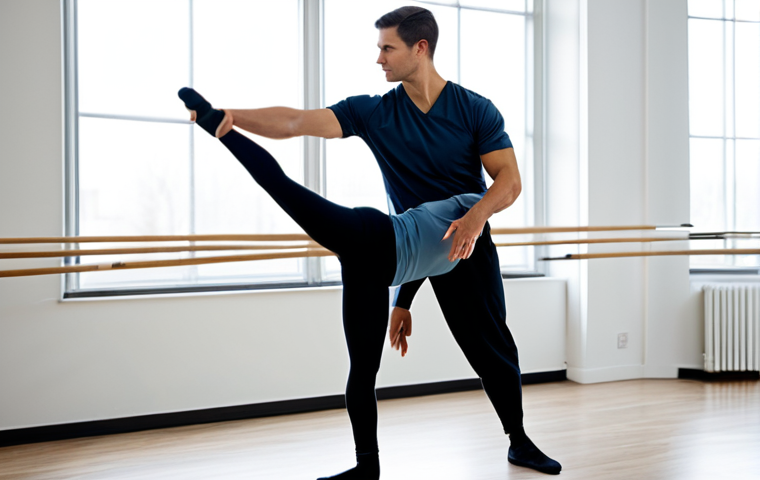
You know, when I first started out, it felt like the goal was to be good at everything. A jack-of-all-trades, if you will. But over the years, I’ve seen firsthand how truly powerful it is to find your tribe, your specific area of passion and expertise. It’s not just about getting more referrals; it’s about connecting on a profoundly deeper level with your patients and feeling a sense of genuine purpose in your work. Think about it: when you become *the* go-to person for, say, vestibular rehabilitation or performing arts injuries, your reputation precedes you. Patients seek you out because they know you understand their unique challenges, often better than anyone else. This specialization isn’t just about advanced certifications – though those are certainly valuable – it’s about dedicating yourself to continuous learning within that chosen niche, attending specific conferences, engaging with leading researchers, and truly immersing yourself in that world. I’ve seen countless colleagues transform their practices, moving from generalists to highly respected experts, and the sense of fulfillment they describe is palpable. It also allows for more targeted marketing efforts and a clearer message about the value you bring, cutting through the noise in a busy healthcare market.
Deep Diving into Unique Clinical Areas
- Identifying Your Passion: Take a moment to reflect on the patient populations or conditions that genuinely ignite your interest. Is it sports injuries in youth athletes, chronic pain management, or perhaps neurological rehabilitation? Your passion will fuel your persistence and make the learning journey enjoyable.
- Beyond the Basics: While generalist skills are foundational, true specialization requires going beyond entry-level knowledge. This means pursuing advanced certifications like OCS, NCS, SCS, or even exploring less common areas like pelvic floor health, lymphedema management, or animal rehabilitation.
- Mentorship and Networking: Seek out mentors who are already thriving in your chosen niche. Their guidance, insights, and connections can fast-track your learning and open doors you might not have found on your own. I remember reaching out to a PT specializing in dancers’ injuries, and her advice completely reshaped my perspective on assessing hypermobility.
Building an Authority in Emerging Fields
- E-sports Physical Therapy: The rise of competitive gaming has created a whole new demographic of patients with unique musculoskeletal and neurological demands. Becoming an expert in this area involves understanding gaming ergonomics, repetitive strain injuries common to gamers, and even the psychological aspects of competitive play.
- Tele-rehabilitation for Niche Populations: While telehealth is broad, applying it to highly specialized areas, such as post-surgical care for patients in rural areas or specific chronic conditions requiring ongoing remote monitoring, can position you as a leader in accessible, specialized care.
- Holistic Wellness Integration: Moving beyond traditional PT, some practitioners are specializing in integrating physical therapy with broader wellness practices like nutrition, mindfulness, or functional medicine, offering a more comprehensive approach to patient health.
Leveraging Cutting-Edge Technology to Elevate Patient Care
It’s no secret that technology has become an indispensable part of almost every industry, and physical therapy is absolutely no exception. When I think back to how we used to track progress – mostly pen and paper, maybe some basic software – it makes me smile. Today, the tools available to us are simply incredible, allowing for more precise diagnostics, personalized treatment plans, and even more engaging rehabilitation experiences. I’ve personally experimented with various wearable sensors that track patient movement patterns outside the clinic, providing invaluable data that we could only guess at before. This isn’t just about fancy gadgets; it’s about enhancing our clinical reasoning, improving patient adherence, and ultimately achieving better outcomes. Integrating technology effectively requires a curious mindset and a willingness to step outside our comfort zone, but the rewards for both us and our patients are immense. It helps bridge the gap between in-clinic sessions and a patient’s daily life, making their recovery journey much more connected and data-driven.
Integrating Advanced Diagnostic and Monitoring Tools
- Wearable Sensors and Biometrics: From smart insoles that analyze gait to body-worn sensors that track range of motion and muscle activation, these tools provide objective data points. I’ve found them particularly useful for athletes returning to sport, giving us real-time feedback on their progress and potential risks.
- AI-Powered Analysis: Imagine an AI tool that can analyze a patient’s movement patterns from a video and highlight subtle compensations or inefficiencies that might be missed by the human eye. These tools are becoming more sophisticated, aiding in early diagnosis and personalized intervention.
- Gamified Rehabilitation: Making exercises fun and interactive through virtual reality (VR) or augmented reality (AR) platforms can dramatically boost patient engagement, especially for pediatric patients or those undergoing long-term rehabilitation. I’ve seen patients who dreaded their exercises actually look forward to their “game time.”
Revolutionizing Telehealth and Remote Monitoring
- Secure Telehealth Platforms: Beyond basic video calls, robust telehealth platforms offer integrated exercise prescription tools, secure messaging, and patient progress tracking, making remote care almost as comprehensive as in-person visits.
- Remote Patient Monitoring (RPM): This is a game-changer for chronic conditions or post-operative care. Patients can use devices at home to track vital signs, activity levels, or specific functional metrics, with data automatically transmitted to the PT for review, allowing for timely adjustments to their plan of care.
- Digital Exercise Prescriptions: Moving away from paper handouts, digital exercise programs (often integrated into telehealth platforms) provide clear video demonstrations, customizable sets/reps, and reminders, making it easier for patients to follow their home exercise programs consistently.
Crafting an Unshakeable Personal Brand and Professional Network
In today’s interconnected world, simply being a great clinician isn’t always enough to stand out. You need to cultivate a strong personal brand that reflects your expertise, your passion, and what makes you unique. I remember feeling a bit awkward about “marketing myself” initially, but I quickly realized it’s not about being boastful; it’s about clearly communicating your value and connecting with people who need your specific skills. Your personal brand is essentially your professional reputation, and it extends far beyond the four walls of your clinic. It’s what people think, feel, and say about you when you’re not in the room. This includes your online presence, your interactions at professional events, and even how you engage with your community. Building this brand, and nurturing a robust professional network, has been one of the most impactful strategies in my own career, opening doors to collaborations, speaking engagements, and even new patient opportunities that I never anticipated. It’s about being visible, valuable, and genuinely engaged.
Defining and Showcasing Your Unique Value Proposition
- Identify Your Niche and Expertise: As we discussed earlier, specializing gives you a unique selling point. What problems do you solve exceptionally well for a specific group of people? This is the core of your brand.
- Develop a Strong Online Presence: This includes a professional website or blog, an active LinkedIn profile, and potentially other social media platforms where your target audience congregates. Share valuable content, engage in discussions, and showcase your expertise.
- Consistent Messaging: Ensure that your personal brand message is consistent across all platforms and interactions. What are the 3-5 words you want people to associate with you? Be intentional about them.
Cultivating a Dynamic Professional Network
- Active Participation in Professional Organizations: Joining and actively contributing to organizations like the APTA (American Physical Therapy Association) or national/international specialty groups is crucial. These are platforms for learning, advocacy, and unparalleled networking.
- Attending Conferences and Workshops: Beyond the educational content, conferences are prime opportunities to meet peers, mentors, and potential collaborators. Don’t just sit in lectures; make an effort to engage during breaks and social events.
- Strategic Collaborations: Seek out opportunities to collaborate with other healthcare professionals – physicians, chiropractors, personal trainers, massage therapists – who serve a similar patient population but offer complementary services. This expands your reach and referral network significantly.
Mastering Business Acumen in a Clinical World
Let’s be honest, most of us didn’t go into physical therapy because we loved business spreadsheets and marketing strategies. Our passion was helping people. But as I’ve grown in my career, whether working in a large hospital system or with private practice owners, I’ve come to realize that a solid grasp of business principles is absolutely fundamental to both individual career growth and the success of any practice. It’s not just for owners; understanding things like revenue cycles, marketing funnels, and patient acquisition costs can make you an invaluable asset to any team. I remember sitting in a meeting early in my career, completely lost when terms like “AR days” or “LTV” were thrown around, and that’s when it hit me: if I wanted to truly influence my work environment and contribute beyond my clinical skills, I needed to speak this language. It’s about understanding the ecosystem in which we operate, ensuring that the incredible care we provide is financially sustainable and widely accessible. Developing this acumen allows you to advocate more effectively for resources, demonstrate your value, and even identify opportunities for innovation within your role or organization.
Understanding the Financial Landscape of PT Practice
- Revenue Cycle Management: Grasping how billing, coding, and insurance reimbursements work is vital. It directly impacts the clinic’s bottom line and your ability to treat patients.
- Profit & Loss Statements: Even if you’re not an owner, understanding P&L statements helps you see the financial health of your practice and where costs can be managed or revenues increased.
- Key Performance Indicators (KPIs): Learn about the KPIs that matter in a PT clinic, such as patient visits per day, cancellation rates, referral sources, and average revenue per visit. This data drives decision-making.
Strategic Planning and Marketing for Clinicians
- Market Research: Understanding your local market, competitor landscape, and patient demographics can inform your clinical specialization and marketing efforts.
- Patient Acquisition & Retention: Beyond clinical excellence, knowing how to attract new patients and keep existing ones engaged and compliant is crucial for growth. This involves understanding patient satisfaction and the patient journey.
- Digital Marketing Basics: From understanding SEO (Search Engine Optimization) for your clinic’s website to leveraging social media to connect with potential patients, basic digital marketing skills are increasingly important.
The Power of Continuous Learning Beyond Certifications
Certifications are fantastic, don’t get me wrong. They provide a structured path to expertise and certainly add credibility. But what I’ve discovered through my own journey, and by observing some of the most respected figures in our field, is that true professional growth stems from a mindset of relentless, curious learning that goes far beyond ticking boxes for CEUs. It’s about staying hungry, always questioning, and actively seeking out new knowledge, even in areas that might seem tangential at first. The healthcare landscape shifts so rapidly – new research emerges, technology advances, and patient needs evolve. If you’re not continuously expanding your knowledge base, you risk becoming stagnant. I make it a point to regularly read peer-reviewed journals, attend webinars on topics slightly outside my immediate expertise, and engage in informal discussions with colleagues from different backgrounds. This organic, self-driven learning is what truly keeps your skills sharp, your mind open, and your practice at the forefront of innovation. It fosters adaptability, which I genuinely believe is one of the most important traits for any PT today.
Cultivating a Habit of Lifelong Learning
- Curating Your Information Diet: Beyond formal courses, actively seek out reliable sources of information. Subscribe to leading journals, follow key opinion leaders on professional platforms, and engage with research summaries.
- Informal Learning Opportunities: Don’t underestimate the power of lunch-and-learns with colleagues, engaging in online forums, or even listening to podcasts from other healthcare fields. Cross-pollination of ideas can spark incredible insights.
- Self-Reflection and Case Studies: Regularly reviewing your own patient cases, especially challenging ones, and critically analyzing your interventions and outcomes is a powerful form of learning. What could you have done differently? What did you learn?
Expanding Your Knowledge Base Strategically
- Interdisciplinary Studies: Consider taking courses or reading extensively in areas like psychology, nutrition, biomechanics of specific sports, or even basic coding to understand health tech better. This broadens your perspective and allows for more holistic patient care.
- Teaching and Mentoring: One of the best ways to solidify your own understanding of a topic is to teach it to someone else. Mentoring junior PTs or presenting on a topic forces you to articulate your knowledge clearly and critically.
Innovating Patient Engagement and Care Delivery
Patient engagement is more than just getting someone to show up for their appointments; it’s about empowering them, making them active participants in their own recovery journey. For years, I struggled with patients who would just passively follow instructions, or worse, drop off their home exercise programs after a few weeks. It was frustrating! But I’ve learned that the key isn’t just telling them what to do, it’s about inspiring them, understanding their motivations, and making the entire process feel relevant and achievable. This shift in perspective has been transformative for my practice. It’s about building a strong therapeutic alliance, sure, but it’s also about leveraging creative strategies and tools to keep them invested and seeing their progress. When patients feel truly heard, understood, and motivated, their adherence skyrockets, and the outcomes we see are simply phenomenal. It’s a dynamic process that requires empathy, creativity, and a willingness to adapt our approach to each unique individual.
Strategies for Enhanced Patient Motivation and Adherence
- Goal Setting with a Personal Touch: Instead of generic goals, help patients identify what truly matters to them. Is it playing with their grandkids, running a 5k, or simply sleeping without pain? Connecting therapy to these personal aspirations is incredibly powerful.
- Educate and Empower: Don’t just give exercises; explain *why* they’re important. Help patients understand their condition and the rationale behind their treatment plan. When they understand, they’re more likely to buy in.
- Regular Feedback and Progress Tracking: Clearly show patients their progress. Graphs, objective measurements, or even simple functional tests can be highly motivating. Celebrate small victories!
Rethinking Care Delivery Models for Optimal Results
Here’s a quick look at how different care delivery models can truly make a difference in patient outcomes, something I’ve seen play out in various settings:
| Care Model | Description | Patient Engagement Impact | Potential Outcome Benefits |
|---|---|---|---|
| One-on-One Personalized | Dedicated, individualized sessions focusing solely on one patient’s needs. | Highest level of personalized attention, fosters strong therapeutic alliance. | Optimized plan adjustments, faster progress for complex cases. |
| Group-Based Therapy | Small groups of patients with similar conditions or goals, often for exercises. | Peer support, shared experience, sense of community, cost-effective. | Improved motivation, sustained adherence, practical application in social settings. |
| Hybrid (In-person + Telehealth) | Blends traditional clinic visits with remote monitoring and virtual sessions. | Flexibility, convenience, continuous support outside the clinic. | Better long-term adherence, reduced travel burden, consistent progress tracking. |
| Community-Based Programs | Therapy integrated into local community centers, gyms, or public spaces. | Breaks down barriers to access, promotes real-world functional integration. | Increased accessibility, improved functional independence in daily life. |
Utilizing Digital Tools for Engagement
- Interactive Patient Portals: Give patients access to their care plans, educational resources, appointment schedules, and secure messaging all in one place.
- Gamified Exercise Apps: Transform monotonous exercises into engaging challenges with progress tracking, rewards, and friendly competition.
- Personalized Communication: Use secure messaging or apps to send tailored tips, encouraging messages, or reminders that are specific to their journey.
Prioritizing Your Own Well-being as a PT Professional
This might sound cliché, but it’s something I’ve learned the hard way: you simply cannot pour from an empty cup. In our profession, we spend all day giving – our energy, our expertise, our empathy – to our patients. It’s incredibly rewarding, but it can also be incredibly draining if you don’t actively prioritize your own well-being. I remember a period in my career where I was constantly feeling burnt out, exhausted, and even a little resentful. My patient care suffered, my relationships felt strained, and my passion for PT dwindled. It wasn’t until I made a conscious effort to focus on my own physical and mental health that I truly rediscovered my joy in the profession. Taking care of yourself isn’t selfish; it’s a non-negotiable requirement for sustainable excellence in physical therapy. It allows you to show up as your best self for your patients, your colleagues, and your loved ones. This isn’t just about avoiding burnout; it’s about thriving in a demanding field and ensuring your career is a long, fulfilling marathon, not a quick, exhausting sprint.
Strategies for Preventing Burnout and Maintaining Balance
- Set Clear Boundaries: Learn to say no. Whether it’s to extra shifts, taking on too many responsibilities, or checking emails after hours, protecting your personal time is crucial.
- Regular Self-Care Practices: This looks different for everyone. It could be exercise, meditation, spending time in nature, pursuing hobbies, or simply dedicating time to quiet reflection. Find what recharges you and make it a non-negotiable part of your routine.
- Seek Support: Don’t hesitate to talk to trusted colleagues, mentors, or even a therapist if you’re struggling. Sharing your challenges can lighten the load and provide new perspectives.
Cultivating a Sustainable and Joyful PT Career
- Invest in Professional Development (that excites you!): Pursue learning opportunities that genuinely ignite your passion, rather than just checking boxes. This keeps your work fresh and engaging.
- Diversify Your Roles: If possible, explore different facets of PT that interest you – teaching, research, consulting, or even starting a specialized program. Variety can prevent stagnation.
- Practice What You Preach: As movement experts, we often tell our patients about the importance of exercise, good posture, and stress management. Are you applying these principles to your own life? Leading by example is powerful.
Let’s Wrap Up
Phew! We’ve covered a lot of ground today, haven’t we? From finding your specialized niche to embracing cutting-edge tech, building your brand, and even looking after your own well-being – it’s clear that being a physical therapist in today’s world is so much more than just treating patients. It’s a dynamic, ever-evolving journey that demands continuous growth, both personally and professionally. My hope is that these insights, born from years of navigating the ups and downs of this incredible profession, spark new ideas and encourage you to explore avenues that will not only enhance your practice but also bring you immense fulfillment. Remember, every step you take to refine your skills and expand your horizons ultimately comes back to serving your patients better and making a deeper, more meaningful impact.
Good-to-Know Information
1. Networking is Gold – And It’s Not Just About Formal Events: Seriously, I can’t stress this enough. While professional conferences and association meetings are fantastic for formal networking, some of the most impactful connections I’ve made have been surprisingly informal. Think about it: a casual chat with a PT from another specialty at a local coffee shop, an insightful discussion in an online forum, or even sharing ideas with a personal trainer at your gym. These less structured interactions often lead to genuine friendships and unexpected collaborations that wouldn’t happen in a stuffy conference room. You never know where your next great referral source, mentorship opportunity, or even a simple piece of advice will come from, so always keep an open mind and a friendly demeanor. It’s about building a community of support and shared knowledge, not just collecting business cards.
2. Tech Adoption Isn’t Optional – But Start Small and Smart: I totally get it; diving into new technology can feel overwhelming. There’s so much out there, and it changes so fast! But here’s the thing: technology isn’t just a “nice to have” anymore; it’s rapidly becoming foundational to delivering modern, effective patient care. Don’t feel pressured to implement everything at once. Start with one tool that solves a clear problem for your practice – maybe a digital exercise prescription platform, a secure telehealth solution, or even just a better practice management software. Give yourself time to learn and adapt, and remember that even small tech upgrades can significantly improve efficiency, patient engagement, and ultimately, outcomes. Think of it as an investment in your future and the future of your patients’ recovery journey.
3. Your Niche Evolves – And That’s Absolutely Okay: When you first choose a specialization, it can feel like you’re committing for life. I certainly did! But one of the most freeing lessons I’ve learned is that your passions can (and often will) evolve over time. What ignites your interest today might shift in five or ten years, and that’s not a failure; it’s growth. Maybe you start in sports rehab, but then find a profound connection with geriatric care, or develop a fascination for pelvic floor health. Embrace these shifts! Your previous experiences will only add depth and perspective to your new focus. The key is to stay curious, continually assess what truly excites you, and be brave enough to pivot when your heart (and your professional instinct) tells you it’s time for a new adventure. Your career should be as dynamic as you are.
4. Business Acumen Empowers You – Even If You Don’t Own a Practice: I know, “business” can sound like a dry topic when your heart is in healing. But let me tell you, understanding the financial and operational realities of a physical therapy practice is incredibly empowering. It’s not just for the owners or managers; knowing how insurance works, why certain metrics are tracked, or the importance of marketing helps you advocate more effectively for your patients, for better resources, and even for your own salary and benefits. It transforms you from a purely clinical provider into a strategic partner within your organization. This knowledge helps you understand the “why” behind decisions that impact your daily work and empowers you to contribute to solutions, ensuring that the excellent care you provide is sustainable and reaches as many people as possible.
5. Self-Care Is Patient Care – You Can’t Pour From an Empty Cup: This isn’t just a feel-good platitude; it’s a foundational truth in our profession. We are constantly giving our energy, empathy, and expertise. If you’re not actively recharging your own batteries, you’re not only risking burnout for yourself, but you’re also inadvertently compromising the quality of care you can provide. I’ve been there, running on fumes, and it wasn’t good for anyone. Prioritizing your physical health, mental well-being, and personal time isn’t selfish; it’s a professional necessity. When you’re well-rested, energized, and mentally present, you show up as your best self for your patients, offering them the most compassionate and effective treatment possible. So, please, make your own well-being a non-negotiable part of your daily routine.
Key Takeaways
To really drive home the points that make a difference, let’s quickly recap the core ideas we explored today, because these are the principles I’ve seen consistently lead to a more impactful and fulfilling career in physical therapy. First and foremost, strategic specialization is no longer just an option but a powerful catalyst for deeper patient connections and a more profound professional identity. By honing in on a specific niche, you not only attract patients who genuinely need your unique skills but also cultivate a level of expertise and authority that sets you apart in a crowded field. This focus allows you to deliver more targeted and effective care, leading to better patient outcomes and a stronger sense of purpose in your work.
Secondly, embracing technology integration is absolutely essential for modern PT practice, not as a replacement for human touch, but as an enhancement. From advanced diagnostic tools like wearable sensors and AI-powered analysis to revolutionary telehealth platforms and gamified rehabilitation, technology empowers us to provide more precise, personalized, and engaging care. I’ve witnessed firsthand how these tools can dramatically improve patient adherence, provide invaluable data for treatment adjustments, and make the recovery journey more interactive and enjoyable, ultimately leading to superior, data-driven results for our patients.
Thirdly, cultivating a strong personal brand and a dynamic professional network is crucial for visibility and sustained growth. In a world where information is abundant, clearly defining your unique value proposition and consistently showcasing your expertise across online and offline platforms allows you to connect with the right people and opportunities. Building a robust network, through active participation in professional organizations and strategic collaborations, not only expands your referral base but also provides a vital support system for continuous learning and professional development, opening doors you might never have imagined.
Next, developing business acumen is a non-negotiable skill for any ambitious PT, whether you’re a clinic owner or a staff therapist. Understanding the financial landscape, including revenue cycles and key performance indicators, alongside strategic marketing principles for patient acquisition and retention, transforms you into a more effective advocate for your patients and a more valuable asset to your organization. This knowledge empowers you to contribute to the sustainability and growth of your practice, ensuring that high-quality physical therapy remains accessible to those who need it most, and allowing you to influence decisions that directly impact your clinical environment.
Finally, and perhaps most importantly, a mindset of continuous learning and prioritizing your own well-being forms the bedrock of a long, impactful, and joyful PT career. Beyond formal certifications, a relentless curiosity and commitment to expanding your knowledge base keeps your skills sharp and your practice innovative. Simultaneously, actively practicing self-care and setting healthy boundaries are critical for preventing burnout. As I’ve learned, you simply cannot pour from an empty cup; your capacity to provide exceptional care is directly tied to your own physical and mental health. By nurturing both your intellect and your well-being, you ensure you can show up as your best self, making a lasting difference in the lives of your patients for years to come.
Frequently Asked Questions (FAQ) 📖
Q: With technology changing so fast, what’s the single most impactful step a physical therapist can take right now to stay ahead and truly make a difference in patient care?
A: Oh, this is such a fantastic question, and honestly, it’s one that pops up in my DMs and comments section almost daily! I get it – the pace of innovation can feel absolutely dizzying, right?
When I first started out, “cutting-edge” meant a new modality machine; now it’s AI, VR, and telehealth all rolled into one. From what I’ve seen – and from countless conversations with PTs who are genuinely thriving – the single most impactful step you can take isn’t just about learning one new tech tool.
It’s about cultivating a mindset of “Tech-Empowered Clinical Integration.”What does that even mean, you ask? Let me break it down. It’s not about becoming a tech wizard overnight, but about actively seeking out how emerging technologies can enhance your existing clinical expertise and, crucially, improve patient outcomes.
For instance, I remember attending a regional conference a few years back, and one therapist presented on how she started using a simple, affordable wearable sensor to track patient movement and progress outside the clinic.
She wasn’t just recommending exercises; she was getting objective, real-time data on adherence and functional improvements that she’d never had before.
Her patients felt more engaged, more accountable, and frankly, she was getting better results. It completely transformed her practice, not because she ditched manual therapy, but because she integrated technology to make her hands-on work even more precise and data-driven.
So, where do you start? First, Identify Your Clinical “Pain Points”: What aspects of your current practice could be more efficient, more engaging for patients, or offer more objective data?
Is it patient adherence? Tracking home exercise progress? Making assessments more precise?
Second, Explore Solutions, Don’t Just Consume Hype: Instead of just reading about VR in rehab, actively seek out how your patient population could benefit.
Could it make tedious exercises more engaging for a stroke patient? Could it provide a safe environment for an athlete to practice dynamic movements without fear of re-injury?
Research platforms like Physitrack or MedBridge, or even simpler consumer-grade wearables that can offer valuable insights. Third, Start Small, Learn, and Adapt: You don’t need to overhaul your entire clinic.
Pick one technology – maybe a tele-rehab platform, a remote monitoring app, or even advanced diagnostic software – and pilot it with a few patients. See what works, what doesn’t, and how it genuinely impacts their journey.
I’ve personally experimented with various online platforms for patient education, and while some were duds, one particular app dramatically increased compliance for my post-op knee patients.
It was a game-changer! The goal isn’t to replace your invaluable hands-on skills with screens and sensors. It’s to leverage these tools to make your practice more efficient, your patient care more personalized, and your impact more profound.
This proactive, integrated approach will not only keep you ahead of the curve but will also position you as a thought leader in a rapidly evolving field, enhancing your professional authority and trustworthiness.
Q: I’m feeling a bit overwhelmed by all the new specializations and tech. How do I choose a niche or a path that’s right for me without getting lost in the noise?
A: Oh, trust me, I’ve been there! That feeling of being swamped by endless options, wondering if you’re making the “right” choice – it’s a completely natural part of professional growth, especially in a field as dynamic as physical therapy.
When I first started considering specialization, I felt like I needed to pick the “hottest” new area, only to realize that true fulfillment and success came from a much deeper place.
It’s not just about what’s trendy; it’s about aligning your passion with a genuine need, and then building unparalleled expertise there. Here’s my tried-and-true method, gathered from years of observing successful PTs and, frankly, a bit of my own trial and error:1.
Look Inward First: What Truly Ignites Your Passion? Reflect on Your “Aha!” Moments: Think back to cases or patient populations that truly lit you up. Was it working with young athletes returning to sport?
Helping an elderly patient regain independence? Tackling complex chronic pain cases? The cases that stick with you, that you found yourself researching long after hours, are huge clues.
For me, it was seeing the profound impact of holistic approaches on persistent issues, which led me down the rabbit hole of functional movement and wellness.
Identify Your Unique Strengths and Experiences: Maybe you were an athlete yourself, giving you an innate understanding of sports injuries. Or perhaps you have a background in dance, making you exceptional at body mechanics.
Don’t underestimate these personal connections; they often form the bedrock of a compelling niche. 2. Look Outward Second: Where Are the Unmet Needs (and Opportunities)?
Listen to Your Community: What are people complaining about that no one seems to be addressing effectively? Are there long waitlists for a specific type of therapy?
Is there a burgeoning demographic (e.g., e-sports athletes, new parents, aging populations wanting to stay active) whose specific needs aren’t being met by general practice PTs?
Scan Emerging Trends (Critically): While you shouldn’t chase every shiny new object, be aware of what’s on the horizon. Telehealth, for example, opened up a massive opportunity for PTs to reach underserved communities or offer specialized care remotely.
The rise of “pre-hab” for major surgeries or even long-term health optimization is another example. But always filter these through your passion. If “pre-hab for astronauts” doesn’t excite you, don’t force it!
3. Find the Intersection: Your Unique Niche. Once you have your internal passions and external needs mapped out, look for where they overlap.
This is your sweet spot! For instance, if you love working with women’s health and notice a lack of specialized care for postpartum recovery in your area, you’ve found a powerful niche.
Start Networking and Learning: Connect with other PTs already in your potential niche. Join specialized interest groups (APTA’s special interest groups are a goldmine!).
Take a relevant continuing education course – not to get a full certification immediately, but to dip your toes in and see if it truly resonates. I’ve seen so many colleagues invest heavily in a certification, only to realize the day-to-day wasn’t what they expected.
Start with smaller commitments to test the waters. Choosing a niche isn’t about boxing yourself in; it’s about focusing your energy to become undeniably excellent in a specific area.
This deep expertise builds authority, trust, and ultimately, a more fulfilling and impactful career. It makes the “noise” of general practice fade into the background, allowing you to amplify what truly matters to you and your patients.
Q: Beyond clinical skills and certifications, what are the ‘secret sauce’ ingredients – those intangible qualities or strategies – that truly propel PTs to the forefront of this dynamic field?
A: Ah, the ‘secret sauce’! This is where the magic really happens, isn’t it? We all know that solid clinical skills and relevant certifications are non-negotiable.
They’re the foundation, the ingredients in the pantry. But what separates the good PTs from the truly exceptional, the ones who are not just adapting but leading and inspiring?
From what I’ve personally observed, these “intangible qualities” are less about what you know and more about how you approach your profession and your patients.
These are the elements that build deep trust, foster innovation, and ultimately, carve out a remarkable career. Here are the ‘secret sauce’ ingredients I’ve identified, born from countless conversations with top-tier PTs and my own journey:1.
Radical Empathy and Connection (The Human Touch in a Tech World):
In an era of AI diagnostics and remote monitoring, the ability to genuinely connect with a patient on a human level is more powerful than ever.
It’s about truly listening – not just to their symptoms, but to their fears, their hopes, their life story. I once worked alongside a PT who spent the first five minutes of every session just chatting about a patient’s weekend, their grandkids, or their favorite sports team.
It wasn’t wasted time; it built an unspoken bond of trust that made patients far more compliant and invested in their recovery. People don’t care how much you know until they know how much you care.
This translates into longer dwell times on your blog too; if readers feel a connection, they’ll stay longer and engage more deeply. 2. Continuous Curiosity and Adaptability (The Lifelong Learner’s Mindset):
The world of PT isn’t static; it’s a living, breathing entity.
The ‘secret sauce’ PTs aren’t just taking required CEUs; they’re voracious learners, always asking “why?” and “what if?”. They read research outside their immediate specialty, they experiment with new approaches, and they embrace failure as a learning opportunity.
They understand that “how we’ve always done it” isn’t a strategy for future success. This isn’t just about reading journals; it’s about being open to new perspectives, even from your patients or junior colleagues.
It’s that intellectual humility that allows for true growth. 3. Proactive Problem-Solving & Innovation (Beyond the Prescription Pad):
Exceptional PTs don’t just follow protocols; they’re innovators within their practice.
They look at challenges – a patient who’s plateaued, a community with poor access to care, an inefficient clinic process – and they actively seek creative solutions.
This could mean developing a new community workshop, advocating for policy changes, or even creating their own online resources to supplement in-person care.
I know a PT who, seeing a gap in post-surgical care for rural patients, developed a comprehensive video library of exercises and tips, integrating it seamlessly with telehealth check-ins.
It wasn’t just about treating; it was about transforming. 4. Strategic Vision and Personal Branding (Sculpting Your Path):
This isn’t about ego; it’s about intentionality.
The PTs at the forefront aren’t just letting their careers happen to them; they’re actively sculpting them. They have a clear vision for their impact, and they understand the importance of communicating their unique value.
This could be through presenting at conferences, contributing to professional organizations, or yes, even building a strong online presence like this blog!
They recognize that their professional identity extends beyond the clinic walls and that a strong, consistent brand builds trust and attracts the right opportunities.
They understand that every interaction, every piece of content, every patient success story contributes to their overall authority and trustworthiness.
These qualities aren’t taught in a textbook, but they are cultivated through experience, reflection, and a genuine commitment to elevating not just your own practice, but the entire field of physical therapy.
They are what allow you to not just survive the changes but to truly thrive, make a profound impact, and secure your place as a leader in this incredible profession.
📚 References
Wikipedia Encyclopedia
구글 검색 결과
구글 검색 결과
구글 검색 결과
구글 검색 결과
구글 검색 결과