As a physical therapist for over 10 years, I’ve learned that managing patients isn’t just about treating their physical ailments; it’s about building relationships and creating a supportive environment.
I remember a time when a patient, Sarah, was struggling not just with her back pain, but also with the emotional toll it was taking on her life. It really hit home that effective customer management in physical therapy needs to address the whole person.
Recent trends highlight the growing importance of personalized care plans and leveraging technology for better communication and follow-up. Thinking ahead, I see virtual consultations and AI-powered tools playing a bigger role in patient management, allowing us to provide more convenient and tailored care.
Let’s delve deeper into the strategies that can enhance your patient management skills.
Building Strong Patient Relationships: The Foundation of Success
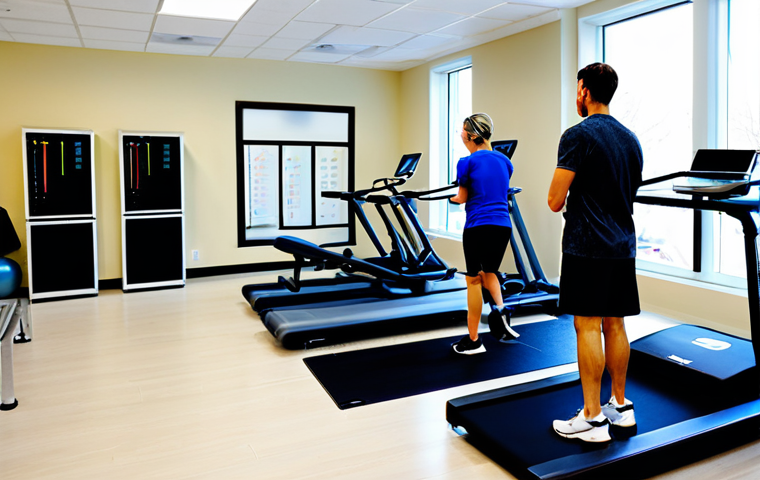
Okay, let’s be real. As therapists, we’re not just fixing rotator cuffs and ACL tears. We’re dealing with people who are often scared, frustrated, and in pain. Building a strong rapport is key. I remember when I started, I was so focused on getting the exercises perfect that I sometimes forgot to actually listen to my patients. A little empathy goes a long way. It’s about truly connecting with them, understanding their fears and motivations, and making them feel heard and valued. This connection isn’t just a nice-to-have; it directly impacts their adherence to the treatment plan and, ultimately, their recovery.
1. Active Listening: Hear More Than Just the Words
It’s amazing how much you can learn by simply shutting up and listening. I mean *really* listening. I make a conscious effort to maintain eye contact, nod, and occasionally paraphrase what my patients are saying to ensure I understand their concerns. One time, a patient kept complaining about “discomfort” after performing a specific exercise. After digging a little deeper through active listening, I discovered the problem wasn’t pain, but the anxiety of performing the movement. It turned out she was terrified of re-injuring herself! By addressing her fears, rather than just the exercise technique, we were able to overcome the plateau.
2. Empathy: Walking a Mile in Their Shoes
Put yourself in their position! They might be dealing with not just pain, but also financial worries, job insecurity, or strained relationships due to their injury. Show them you understand their struggles. Sometimes, just a simple “I can see how frustrating this must be for you” can make a world of difference. Empathy is not agreeing with everything they say, but rather acknowledging their feelings and validating their experience. For instance, if a patient is upset they can’t play golf, try saying, “I understand how disappointing it is that you have to sit out on your golf outings this season. Let’s get you back on the greens as soon as we can!”
Streamlining Scheduling and Communication
Back in the old days, scheduling was a nightmare. Phone calls, missed appointments, endless voicemails…it was a huge time suck. Now, thankfully, there are so many great tools to help us streamline the process. Online scheduling, automated reminders, and patient portals have completely changed the game. It not only saves time but also improves patient satisfaction. Think about it – patients appreciate the convenience of booking appointments online and receiving reminders on their phones. It shows you value their time and are invested in their care.
1. Leveraging Online Scheduling Tools
I swear by online scheduling. I use a system that integrates directly with my calendar and sends automatic confirmations and reminders. Patients can book appointments 24/7 without having to call the office. If I had a dollar for every time someone has told me how much they love the ease of it, I’d be retired on a beach somewhere! Many options out there are affordable and very user friendly. If you are not using one of these, you are still in the Stone Age.
2. Implementing Automated Appointment Reminders
No-shows are a huge drain on resources, but implementing automated text and email reminders drastically reduces them. I’ve seen our no-show rate drop by over 50% since implementing them. You can even customize the reminders to include specific instructions or information they need to bring to their appointment. The key is to make it as easy as possible for patients to keep their appointments.
Creating Personalized Treatment Plans
Gone are the days of cookie-cutter treatments. Patients want and deserve personalized care. That means taking the time to really assess their individual needs, goals, and preferences. What works for one patient may not work for another. This is where your expertise as a physical therapist really shines. Tailoring treatment plans based on their specific condition, lifestyle, and personal goals is the best way to ensure they’re engaged in the process and see real results. Creating individualized plans lets patients know that you see them as unique individuals. This is not only beneficial for them, but for you as well. It makes it that much more rewarding.
1. Goal Setting: Collaborative and Realistic
I always involve my patients in setting their goals. It’s a collaborative process. Instead of saying, “You’ll be able to run a marathon,” I ask, “What are your goals? What do you want to get back to doing?” Maybe it’s playing with their grandkids, gardening, or simply walking without pain. Once we establish these goals, we can create a realistic plan to achieve them. It’s essential to set goals that are specific, measurable, achievable, relevant, and time-bound (SMART goals). I also find that writing down these goals and reviewing them regularly helps patients stay motivated and track their progress.
2. Adapting to Individual Needs
Every patient is different, so their treatment plans should be too. Consider factors like age, fitness level, comorbidities, and even their learning style. I had a patient who was a visual learner. Instead of just giving her verbal instructions, I used videos and diagrams to explain the exercises. This made a huge difference in her understanding and compliance. Listen to your patients! They are the experts of their own bodies. Be willing to adjust the treatment plan based on their feedback and progress.
Utilizing Technology for Enhanced Care
Tech isn’t just for the youngins anymore. Physical therapy is embracing technology, and it’s making a real difference. From telehealth to wearable sensors, tech can improve communication, monitor progress, and even deliver treatment remotely. The way to use the tools available to you is not to see them as the solution, but as a way to improve your level of care for your patients.
1. Telehealth: Extending Your Reach
Telehealth exploded during the pandemic, and it’s here to stay. It allows you to connect with patients remotely for consultations, follow-ups, and even exercise instruction. I use telehealth to check in with patients between appointments, answer their questions, and provide encouragement. It’s especially helpful for those who live far away or have mobility issues. In some cases, I even have patients on vacation and still need to do their rehab. Telehealth has really made it possible to help my patients remotely.
2. Wearable Sensors: Tracking Progress
Wearable sensors, like activity trackers, can provide valuable data on a patient’s activity levels and movement patterns. This data can be used to monitor their progress, identify areas for improvement, and adjust the treatment plan accordingly. Think of it as a way to add additional metrics to your practice. They do not provide all the answers but can certainly help you.
Managing Patient Expectations
One of the toughest parts of being a physical therapist is managing patient expectations. People often come in with unrealistic ideas about how quickly they’ll recover. It’s our job to educate them about the healing process, set realistic goals, and provide ongoing support. I always emphasize the importance of consistency and patience. Remind them that recovery is a marathon, not a sprint. I am very upfront with patients and let them know my honest opinion on timelines.
1. Setting Realistic Timelines
Be honest! Don’t promise a miracle cure in two weeks if it’s not realistic. Explain the factors that can influence recovery time, such as the severity of their condition, their age, and their adherence to the treatment plan. Provide a general timeline, but emphasize that it’s just an estimate and that everyone heals at their own pace.
2. Addressing Concerns and Frustrations
Listen to their concerns and address their frustrations. If they’re not seeing progress, find out why. Are they doing their exercises correctly? Are they pushing themselves too hard? Are they experiencing any new pain or symptoms? Be willing to adjust the treatment plan as needed. Be patient. You are not a magician. It takes time to heal and see results.
The Importance of Documentation and Record Keeping
Okay, I know documentation isn’t the most glamorous part of our job, but it’s crucial. Accurate and thorough records protect both you and your patients. Good documentation can also improve communication between healthcare providers and ensure continuity of care. Think of it as a way to tell the story of your patient’s journey. It creates a narrative of the patient’s diagnosis, treatment, and progress.
1. Using Electronic Health Records (EHR)
Embrace the digital age. Electronic health records (EHR) systems make it easier to store, access, and share patient information. They can also help you track progress, generate reports, and even automate billing. I find that EHRs save me a ton of time and reduce the risk of errors. The systems typically are compliant with privacy requirements which can give you peace of mind knowing that they are secure.
2. Documenting Progress and Changes
Be diligent in documenting your patient’s progress. Record their subjective reports, objective findings, and any changes in their condition. This information is invaluable for tracking their response to treatment and making necessary adjustments. A good chart is one that you can follow months or years later without issue.
Building a Referral Network
Word of mouth is powerful. The best way to get new patients is through referrals from satisfied clients and other healthcare providers. Take the time to build relationships with doctors, chiropractors, and other professionals in your community. Think of it as networking. You are building a relationship with those in your community.
1. Networking with Other Healthcare Professionals
Attend local medical conferences, join professional organizations, and reach out to other healthcare providers in your area. Let them know about your services and the types of patients you specialize in treating. One of the best ways to network is to do the occasional ride-along. Shadow another healthcare provider for the day to experience what they do.
2. Encouraging Patient Testimonials
Happy patients are your best advocates. Ask them to write a review on Yelp or Google. Share their testimonials on your website and social media. Positive reviews can attract new patients and build trust in your practice. Social media is a quick and effective way to spread the word. Make sure you are advertising to your local population.
| Strategy | Description | Benefits |
|---|---|---|
| Active Listening | Pay close attention to patient concerns. | Builds trust, uncovers hidden issues. |
| Online Scheduling | Allow patients to book appointments online. | Increases convenience, reduces no-shows. |
| Personalized Treatment | Tailor treatment plans to individual needs. | Improves engagement, enhances outcomes. |
| Telehealth | Provide remote consultations and follow-ups. | Expands access, improves communication. |
| Realistic Expectations | Set achievable goals and timelines. | Reduces frustration, promotes adherence. |
| EHR Systems | Use electronic records for efficient documentation. | Saves time, reduces errors, improves care. |
| Networking | Build relationships with other professionals. | Increases referrals, expands your reach. |
In Conclusion
So, there you have it – a few strategies to help you thrive in the world of physical therapy! It’s all about creating genuine connections, leveraging technology, and setting realistic expectations. Remember, being a great physical therapist isn’t just about technical skills; it’s about being a compassionate and effective communicator. Keep learning, keep growing, and keep making a positive impact on your patients’ lives.
Good to Know Information
1. Consider specializing in a niche area, such as sports injuries, geriatrics, or women’s health, to differentiate your practice and attract a specific clientele.
2. Invest in continuing education to stay up-to-date on the latest advances in physical therapy and expand your skill set. Check out courses offered by the American Physical Therapy Association (APTA).
3. Offer package deals or membership programs to encourage patient commitment and improve retention. For instance, a package of 10 sessions with a small discount can be more enticing than a single visit.
4. Partner with local gyms, sports teams, and community organizations to offer workshops, screenings, and educational events. This can help you reach a wider audience and build your reputation.
5. Monitor your online reputation and actively solicit reviews from satisfied patients. Respond promptly to both positive and negative feedback to show that you value their opinions.
Key Takeaways
Focus on building strong patient relationships through active listening and empathy.
Streamline scheduling and communication with online tools and automated reminders.
Create personalized treatment plans that are tailored to individual goals and needs.
Utilize technology, such as telehealth and wearable sensors, to enhance care.
Manage patient expectations by setting realistic timelines and addressing concerns.
Maintain thorough documentation and record keeping using EHR systems.
Build a referral network by networking with other healthcare professionals and encouraging patient testimonials.
Frequently Asked Questions (FAQ) 📖
Q: What are some practical ways to improve patient communication and engagement in my physical therapy practice?
A: From what I’ve seen over the years, personalized care plans are a game changer. Instead of using a one-size-fits-all approach, really listen to your patients and tailor their treatment to their specific needs and goals.
I’ve also found that using technology like a patient portal or even just regular email check-ins can make a huge difference. One time, I had a patient who was feeling discouraged about their progress, but after implementing weekly video calls to discuss their concerns and adjust their exercises, they felt much more supported and motivated.
It’s all about making them feel heard and involved in their own recovery.
Q: How can I effectively manage challenging patients or situations that arise during treatment sessions?
A: Honestly, dealing with difficult situations is part of the job. My go-to strategy is to stay calm and empathetic, even when it’s tough. I always try to understand where the patient is coming from – are they in pain, frustrated with their progress, or maybe just having a bad day?
By actively listening and validating their feelings, you can often diffuse the situation. Also, clearly setting expectations from the beginning can prevent a lot of misunderstandings.
For example, before starting a new treatment, explain the process, potential discomfort, and expected outcomes. If things escalate, don’t be afraid to take a break or consult with a colleague for advice.
I remember once having a patient who was consistently late for appointments and disruptive during sessions. After a private conversation where I calmly explained the impact of their behavior on other patients and the clinic’s schedule, they actually apologized and made a conscious effort to improve.
It’s all about open and respectful communication.
Q: What role will technology play in the future of patient management in physical therapy, and how can I prepare for these changes?
A: Technology is already transforming how we manage patients, and I think it’s only going to become more prevalent. Virtual consultations are becoming increasingly popular, especially for follow-up appointments and patients who have difficulty traveling.
I’ve started incorporating telehealth into my practice, and it’s been a huge convenience for many of my patients. AI-powered tools are also emerging that can help with things like analyzing patient data to personalize treatment plans and predicting potential complications.
To prepare for these changes, I recommend staying up-to-date on the latest technology trends in healthcare and investing in training to develop your telehealth and digital literacy skills.
Don’t be afraid to experiment with new technologies and find what works best for your practice and your patients. It’s not about replacing the human touch, but enhancing it.
📚 References
Wikipedia Encyclopedia
구글 검색 결과
구글 검색 결과
구글 검색 결과
구글 검색 결과
구글 검색 결과