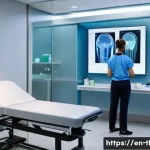
Walking into a physical therapy clinic, I’ve always felt that the success of my recovery wasn’t just about the exercises, but profoundly about how my therapist truly *listened*.
It’s not simply about explaining movements; it’s about building an authentic connection, understanding the patient’s fears and hopes, and making them feel genuinely heard.
In today’s rapidly evolving healthcare landscape, where telehealth appointments are increasingly common and information is readily available online, this human touch, this empathetic communication, becomes even more critical.
It’s what truly sets an exceptional therapist apart, transforming a routine session into a journey of shared understanding and healing. Forget the textbook perfect technique for a moment; if you can’t communicate, you’re missing the core.
The rise of AI-driven diagnostics and wearables means therapists are handling more data, making the skill of translating complex information into understandable, reassuring dialogue an absolute necessity.
It’s no longer just about the body; it’s about fostering psychological safety and empowering patients in their own recovery, particularly as healthcare shifts towards more preventative and personalized models.
Let’s delve deeper into this right now.
The Art of Active Listening: More Than Just Hearing Words

When I first started my physical therapy journey after a nasty ankle sprain, what truly surprised me wasn’t just the intricate exercises, but how my therapist, Sarah, approached our conversations.
It wasn’t just a clinical Q&A she really leaned in, made eye contact, and let me ramble about my frustrations, my fears of re-injury, and even my anxieties about missing out on my weekend hikes.
I truly felt that my voice mattered, that my concerns were valid, and that I wasn’t just another patient on a roster. This deep level of listening, a skill often overlooked in a profession focused on biomechanics, creates a bedrock of trust.
It’s about picking up on the unsaid, understanding the subtle shifts in tone, and recognizing the underlying emotional landscape that often accompanies physical pain.
This isn’t something you learn from a textbook on anatomy; it’s a soft skill honed through genuine empathy and a conscious effort to connect on a human level.
It’s the difference between a patient following instructions and a patient actively participating in their own healing. When you feel heard, you’re more likely to commit, to push through discomfort, and to trust the process.
1. Decoding Non-Verbal Cues: The Silent Language of Pain
It’s incredible how much a patient communicates without saying a single word. I remember one session, I kept shrugging my shoulders while talking about my shoulder pain, even though I was saying it felt “okay.” Sarah picked up on that immediately.
“You keep tensing up your shoulders when you talk about it,” she observed gently. “What’s going on there?” It opened up a conversation about my fear of certain movements, a fear I hadn’t even consciously acknowledged.
Exceptional therapists aren’t just listening to words; they’re observing posture, facial expressions, eye movements, and even subtle breathing patterns.
These non-verbal cues often reveal the true depth of discomfort, anxiety, or even resistance that a patient might be too polite, embarrassed, or unaware to voice directly.
Mastering this aspect of communication allows therapists to tailor their approach, offering reassurance, adjusting exercises, or simply providing a safe space for unspoken fears to surface.
It’s a vital component of building a holistic understanding of the patient beyond their physical symptoms.
2. The Power of Empathetic Inquiry: Beyond “How Does It Feel?”
Think about it: how many times have you been asked, “How does it feel?” and given a generic answer like “fine” or “a bit sore”? Effective communication goes far beyond these surface-level questions.
It dives into the “why.” Instead of just asking about pain levels, Sarah would ask, “What are you *not* able to do now that you used to love doing?” or “How is this pain impacting your daily routine, your sleep, your mood?” These questions aren’t just gathering information; they’re demonstrating genuine care and a desire to understand the lived experience of the patient.
They open up narratives about missed opportunities, frustrated hobbies, and disrupted family life, which provides a far richer context than a simple pain score.
When therapists show this level of empathetic inquiry, it validates the patient’s entire struggle, making them feel seen and understood as a whole person, not just a collection of symptoms.
It fundamentally shifts the dynamic from a clinical assessment to a shared journey of recovery.
Navigating the Digital Frontier: Empathy in Telehealth
The sudden, massive pivot to telehealth during the pandemic, and its continued growth, has highlighted a new set of challenges and opportunities for communication in physical therapy.
While incredibly convenient, it can sometimes feel a bit… sterile. Staring at a screen, trying to assess range of motion or provide hands-on cues, requires a different kind of communication finesse.
I’ve had telehealth sessions where I felt like I was just following instructions from a robot, and others where my therapist managed to make me feel just as connected as if I were in the clinic.
The difference? Their ability to project warmth, clarity, and genuine interest through a two-dimensional screen. It’s about being hyper-aware of visual cues, ensuring clear audio, and actively inviting questions and feedback when the immediate physical feedback loop of an in-person session is absent.
It forces therapists to be even more articulate, more patient, and more creative in their verbal instructions and demonstrations.
1. Crafting Clarity: Verbal Precision in Virtual Spaces
In a telehealth setting, the luxury of immediate physical adjustment or hands-on demonstration is largely gone. This means verbal instructions have to be incredibly precise, clear, and unambiguous.
I recall a telehealth session where my therapist, knowing I was struggling to visualize a specific movement, didn’t just tell me, but described it using relatable analogies.
“Imagine you’re reaching for something on a high shelf, but without shrugging your shoulders,” she’d say. This level of descriptive detail, combined with patient verbal check-ins like “Does that make sense?” or “Can you show me what you understand?”, becomes paramount.
It’s not just about what you say, but *how* you say it, ensuring every word contributes to crystal-clear understanding. Poor communication in this environment can lead to frustration, incorrect exercise execution, and ultimately, a less effective recovery.
It’s about over-communicating instructions to compensate for the lack of physical presence.
2. Building Rapport Through a Screen: The Challenge of Remote Connection
One of my biggest concerns with telehealth was losing that personal connection. But surprisingly, it’s still possible, though it requires conscious effort.
My therapist would start by asking about my day, not just my pain. “How’s the weather where you are? Did you manage to get that garden weeding done?” These small conversational touches, even over video, humanized the interaction and made me feel like more than just a case file.
It’s about finding those moments to connect beyond the strictly clinical. Establishing rapport remotely means being more intentional about building trust, often through demonstrating exceptional listening skills and showing genuine empathy for the patient’s circumstances outside of their physical ailment.
This might involve sharing personal anecdotes (appropriately, of course) or simply being overtly warm and encouraging. It demands a higher level of emotional intelligence to bridge the digital gap effectively.
Empowering Patients: From Passive Recipient to Active Participant
For too long, healthcare, including physical therapy, has often been a passive experience for the patient. You show up, you’re told what to do, and you hope for the best.
But the most impactful therapists I’ve encountered flip this dynamic on its head. They don’t just treat you; they educate you, they empower you, and they make you a co-pilot in your own recovery journey.
This shift from a paternalistic model to a collaborative one is fundamentally driven by communication. It’s about explaining the ‘why’ behind every exercise, discussing prognosis in an understandable way, and involving the patient in goal-setting.
When you understand what’s happening in your body and why specific movements help, you’re far more motivated and compliant. I distinctly remember my therapist explaining the concept of nerve gliding in simple terms, drawing diagrams on a whiteboard.
It transformed a confusing sensation into something I could understand and actively work with.
1. Demystifying Medical Jargon: Speaking Human to Humans
Let’s be honest, medical terminology can sound like a foreign language. Ligaments, tendons, fascia, proprioception – it’s a lot for someone just trying to get their knee to bend again.
A truly skilled therapist knows how to translate this complex jargon into plain, understandable language. They use analogies, simple diagrams, or even real-life examples to explain conditions and treatments.
I appreciated when my therapist would say, “Think of your muscle like a stretched rubber band that’s gotten a bit frayed; we’re trying to carefully re-strengthen it so it snaps back better.” This kind of communication makes the daunting world of anatomy accessible and helps patients grasp the rationale behind their treatment plan.
When patients understand, they are more engaged, ask better questions, and are far more likely to adhere to their home exercise program.
2. Collaborative Goal Setting: Your Recovery, Your Terms
One of the most empowering moments in my therapy was when Sarah asked me, “What does ‘getting better’ look like for *you*?” Not “What are your pain levels?” but what specific activities did I want to get back to?
For me, it was hiking without a limp. For someone else, it might be lifting their grandchild or sleeping through the night. By involving me in defining the success metrics, she made the goals tangible and personal.
This collaborative approach isn’t just about making the patient feel good; it’s clinically effective. When patients have ownership of their goals, they are more invested.
Therapists facilitate this by asking open-ended questions, actively listening to the patient’s aspirations, and then working together to create a realistic, mutually agreed-upon plan.
It’s about setting targets that resonate with the patient’s life, not just clinical benchmarks.
The Science of Empathy: Translating Data into Trust
In this age of wearable tech, digital health records, and AI-driven diagnostics, therapists are swimming in data. From gait analysis to force plate measurements, the sheer volume of information can be overwhelming for both the clinician and the patient.
This is where communication becomes an art form: taking complex, sometimes intimidating, data points and translating them into understandable, actionable insights that build trust and reinforce the patient’s progress.
It’s not enough to simply state the numbers; it’s about explaining what those numbers *mean* for *their* specific condition and *their* recovery journey.
I’ve seen therapists pull up charts and graphs and just rattle off percentages, leaving me feeling more confused than enlightened. But the best ones explain it in a way that truly empowers me, making the abstract concrete and validating my efforts.
1. Personalizing Progress: Making Data Relatable
When my therapist showed me the improvements in my ankle’s range of motion on a graph, she didn’t just point to the upward trend. She said, “See this jump here?
That’s precisely when you started doing those specific balance exercises consistently. That tiny improvement here means you’re now able to walk down stairs without a thought, which is a massive win.” She connected the data directly to my daily life and my specific goals.
This personalization transforms abstract data points into tangible evidence of progress, providing a powerful motivator. It validates the patient’s hard work and reinforces their commitment to the therapy plan.
Effective communication of data isn’t just about reporting; it’s about storytelling, using numbers to narrate the patient’s journey towards recovery.
2. Managing Expectations: The Nuance of Prognosis
One of the trickiest communication challenges is discussing prognosis. Patients often want definitive answers: “When will I be 100%?” But recovery isn’t always linear, and external factors can always play a role.
A good therapist communicates realistic expectations with honesty and empathy. They don’t sugarcoat or overpromise. They might say, “Based on what we’re seeing, you’re on track for significant improvement within six to eight weeks, but there might be good days and bad days.
It’s like building a house; sometimes you hit a snag.” This kind of nuanced communication manages patient expectations effectively, reducing frustration and anxiety when recovery isn’t a straight line.
It builds trust because the therapist is seen as both knowledgeable and transparent, fostering a more resilient patient-therapist relationship.
Building Resilience: Fostering Psychological Safety
The physical act of therapy can be painful, frustrating, and emotionally draining. Patients are often at their most vulnerable, dealing with pain, fear, and a sense of loss of their former capabilities.
In this highly sensitive environment, a therapist’s communication skills become paramount in fostering psychological safety—an environment where the patient feels secure enough to express their pain, fears, and frustrations without judgment.
It’s about creating a non-threatening space where vulnerability is embraced, and every feeling is validated. I remember a session where I was particularly disheartened by my slow progress.
My therapist didn’t just offer platitudes; she acknowledged my feelings, saying, “It’s completely normal to feel frustrated when things aren’t moving as fast as you’d like.
It takes immense strength to keep pushing.” This simple validation made a world of difference.
1. Validating Emotions: Beyond “It’ll Be Okay”
It’s easy for healthcare professionals to offer quick reassurances like “You’ll be fine” or “Just push through it.” But true empathetic communication involves validating the patient’s emotions, even the negative ones.
When a patient says, “This is really hurting,” responding with “I hear you, and it’s okay to feel that way. We’ll adjust as needed,” is far more powerful than dismissing their pain.
This validation fosters a sense of being understood and respected. It builds a stronger therapeutic alliance, as the patient feels their lived experience is acknowledged and not minimized.
This approach is critical in encouraging patients to openly communicate about their discomfort, fear, or any setbacks, which in turn allows the therapist to tailor the treatment more effectively.
2. The Role of Humor and Humanity: Breaking Down Barriers
While professionalism is key, injecting appropriate humor and showing genuine humanity can significantly enhance psychological safety. I’ve had therapists who were all business, which was fine, but the ones who sometimes shared a light-hearted anecdote or made a witty comment (at the right time, of course!) made me feel more at ease.
It broke down the clinical barrier and reminded me that they were real people, not just white coats. This doesn’t mean being unprofessional, but rather finding moments to connect on a personal, human level.
It shows authenticity and helps to defuse tension or anxiety. Sharing a laugh or a brief personal moment can make a patient feel more comfortable and open, fostering an environment where they feel safe to be their authentic, sometimes vulnerable, selves.
The Long Game: Cultivating Lasting Patient Relationships
Effective communication in physical therapy isn’t just about the immediate session; it’s about building a foundation for a lasting, trusting relationship that extends beyond the clinic walls.
For many, physical therapy is not a one-and-done event; injuries can recur, or new ones can arise. A positive, communicative relationship means a patient is more likely to return to the same therapist or clinic, recommend them to others, and feel empowered to manage their own health in the long term.
This isn’t just good for patient outcomes; it’s vital for a thriving practice. It’s about creating an experience so positive and empowering that the patient becomes an advocate for their own health, and for the therapist who guided them.
It’s a testament to the power of consistent, empathetic, and clear communication throughout the entire patient journey.
1. Fostering Autonomy: The Patient as Their Own Best Therapist
The ultimate goal of good physical therapy, in my opinion, is to equip the patient to become their own best therapist. This means not just fixing them, but teaching them the tools, knowledge, and confidence to manage their body and prevent future injuries.
This empowerment is entirely reliant on exceptional communication. Therapists achieve this by explaining biomechanics in simple terms, providing clear home exercise programs, and discussing warning signs and preventative strategies.
It’s about shifting the patient from dependence to independence, giving them the knowledge to make informed decisions about their own body. My therapist didn’t just give me exercises; she explained *why* they were important and *how* they would help me in the long run, ensuring I felt equipped to handle future challenges.
2. The Ripple Effect: Beyond the Clinic Walls
The impact of excellent communication extends far beyond the individual patient. A patient who feels truly heard, understood, and empowered will likely share their positive experience with friends, family, and online communities.
This organic word-of-mouth referral is invaluable. Moreover, a patient who understands their condition and treatment plan is more likely to adhere to it, leading to better outcomes and reduced re-injury rates, which reflects positively on the therapist and the profession as a whole.
It’s a ripple effect where empathetic, clear communication not only transforms individual lives but also elevates the perception and effectiveness of physical therapy within the broader healthcare landscape.
It becomes a testament to the fact that healing isn’t just about movement, but about connection.
| Communication Aspect | Common Pitfall | Empathetic/Effective Solution |
|---|---|---|
| Listening | Interrupting or planning the next question while the patient speaks. | Actively pausing, leaning in, asking clarifying questions (“Tell me more about that feeling”). |
| Explanation | Using excessive medical jargon without simplification. | Employing analogies, simple diagrams, or relating concepts to daily activities. |
| Empathy | Minimizing patient pain or feelings (“It’s not that bad”). | Validating emotions (“It sounds incredibly frustrating”), acknowledging their experience. |
| Instruction | Giving rapid-fire instructions without checking understanding. | Breaking down steps, demonstrating, and having the patient “teach back” the exercise. |
| Feedback | Focusing solely on what’s wrong or not improving. | Highlighting small wins and progress first, then gently addressing areas for improvement. |
The Therapeutic Alliance: A Foundation of Trust
At its core, physical therapy, despite all the science and sophisticated techniques, remains profoundly human. It’s a partnership between two individuals, one seeking healing and the other guiding the way.
This partnership, often termed the “therapeutic alliance,” is built on trust, respect, and mutual understanding—all of which are products of exemplary communication.
When this alliance is strong, patients are more likely to comply with treatment, experience better outcomes, and feel satisfied with their care. It’s that intangible something that makes you feel genuinely cared for, not just treated.
My own recovery wasn’t just about my ankle healing; it was about the relationship I built with my therapist, a relationship founded on her unwavering ability to communicate effectively, to listen, and to truly see me as a person, not just an injury.
This reciprocal trust is the ultimate determinant of success, overshadowing even the most perfect exercise prescription.
1. Beyond the Protocols: Individualized Communication
While clinical protocols and evidence-based practices are vital, the truly exceptional therapist recognizes that every patient is unique. What works for one person’s communication style might not work for another.
Some patients prefer a direct, no-nonsense approach, while others need more reassurance and gentle encouragement. Effective communication means being adaptable, reading the room, and tailoring your approach to the individual in front of you.
It’s about recognizing that not every conversation can follow a script. This level of individualized attention, often expressed through subtle shifts in tone, pace, and language, signals to the patient that they are truly seen and understood as an individual, not just a generic case.
It’s about meeting the patient where they are, both physically and emotionally.
2. Feedback Loop: The Therapist as a Learner
Communication isn’t a one-way street. The most effective therapists are also exceptional listeners when it comes to *patient feedback*. They actively solicit it, not just about pain levels but about the therapy experience itself.
“Is this pace working for you?” “Are you finding these exercises clear?” “Is there anything I could explain better?” By inviting constructive criticism, therapists demonstrate humility and a commitment to continuous improvement.
This open feedback loop not only refines their practice but also further empowers the patient, making them feel like a valued contributor to their own care.
It transforms the therapist-patient dynamic into a truly collaborative effort, where both parties are actively engaged in optimizing the healing journey.
It reinforces the idea that even the expert has something to learn from the individual experiencing the problem firsthand.
Closing Thoughts
So, what’s the real magic in physical therapy? It’s not just the intricate exercises or the state-of-the-art equipment, but the profound conversations, the genuine understanding, and the unwavering human connection.
My personal journey unequivocally taught me that when a therapist truly communicates, listens with intent, and empowers you to be an active participant, healing transcends the physical.
It’s about forging a therapeutic alliance that transforms pain into progress, and fear into a renewed sense of confidence. This fundamental human connection, built on a bedrock of trust and empathy, truly is the ultimate determinant of lasting recovery.
Useful Information
1.
Before your next physical therapy session, jot down specific questions or concerns you have. This helps you get the most out of your time and ensures your therapist addresses what truly matters to you.
2.
Don’t hold back on communicating your true pain levels or discomfort. Therapists rely on your honest feedback to adjust exercises, ensure your safety, and optimize your progress effectively.
3.
When engaging in telehealth, ensure you have good lighting and clear audio. Don’t hesitate to ask your therapist to repeat instructions or demonstrate movements slowly if you’re unsure about an exercise.
4.
Actively participate in understanding your home exercise program. Ask “why” each exercise is important and how it contributes to your specific goals for better adherence and long-term results.
5.
Remember, you are an active participant in your recovery. Don’t be afraid to voice your preferences, express concerns, or seek clarification if something doesn’t feel right or make complete sense.
Key Takeaways
Effective communication in physical therapy is multifaceted, encompassing active listening, decoding non-verbal cues, and empathetic inquiry. It’s crucial for building rapport, especially in virtual settings, and empowers patients by demystifying jargon and enabling collaborative goal setting.
Translating data into relatable insights fosters trust and manages expectations, while cultivating psychological safety validates emotions and builds resilience.
Ultimately, superior communication creates a strong therapeutic alliance, leading to lasting patient relationships and equipping individuals to become their own best therapists.
Frequently Asked Questions (FAQ) 📖
Q: Given the explosion of online health information and
A: I tools, how can a therapist still make such a profound, unique difference in someone’s recovery journey? A1: Oh, it’s all about the human element, isn’t it?
I mean, I can Google my symptoms until I’m blue in the face, but that doesn’t replace the feeling of a therapist genuinely seeing me, my pain, my frustration.
In a world awash with data, that empathetic communication is the anchor. It’s not just explaining exercises; it’s about translating that complex data from my wearable into, “Hey, I see you’re struggling with that last rep, let’s adjust this way,” or “It’s okay to feel discouraged, we’ll get there.” That shared understanding, that knowing nod, that’s what makes the difference between just moving and truly healing.
Q: With
A: I providing diagnostics and wearables tracking so much, how do therapists avoid just becoming data interpreters and truly maintain that personal touch?
A2: That’s the tightrope walk, isn’t it? From my perspective, it’s about using that data as a tool to enhance the human connection, not replace it. My favorite therapist, for instance, never just spat out numbers.
She’d say, “Okay, your knee flexion is showing X degrees, which means we can push a little more on this exercise, but let’s see how you feel about it first.” It wasn’t just about the mechanics; it was about checking in on my mental state, my confidence.
They’re taking all this cold, hard data and weaving it into a warm, reassuring narrative that makes sense for my body and my life. It’s a skill, truly.
Q: The text mentions fostering psychological safety and empowering patients. What does that really look like in a practical physical therapy session, and how does communication build that?
A: It’s huge! For me, psychological safety meant feeling completely comfortable saying, “That hurts, really hurts,” without feeling weak or like I was messing up the plan.
It meant my therapist asking, “How are you feeling about today’s progress?” rather than just dictating what came next. When you’re in pain, you often feel vulnerable and out of control.
Empathetic communication flips that script. It empowers you by making you a partner in your recovery, not just a passive recipient of treatment. My therapist once said, “This is your journey, I’m just here to guide you,” and that simple phrase shifted my entire mindset.
It’s about building confidence, little by little, until you truly believe you can heal.
📚 References
Wikipedia Encyclopedia
구글 검색 결과
구글 검색 결과
구글 검색 결과
구글 검색 결과
구글 검색 결과