Considering a career in physical therapy? It’s an incredibly rewarding path, but let me tell you, navigating the sheer number of professional programs out there can feel like a marathon before you even start!
From traditional on-campus experiences to the rise of flexible hybrid models accelerated by recent global shifts, the landscape of DPT education is evolving faster than ever, embracing cutting-edge tech and diverse specializations.
I’ve personally seen how a well-chosen program can launch you into an amazing career, whether you’re passionate about sports medicine, geriatrics, or even integrating AI into patient care.
You want a program that truly sets you up for success, right? Let’s dive deeper and make sure you’re fully equipped to choose the perfect fit for your future.
Demystifying DPT Programs: Traditional vs. Innovative Approaches

The Enduring Appeal of On-Campus DPT Programs
Let’s be real, when most of us think about higher education, we picture bustling campuses, lecture halls, and maybe a late-night study session fueled by coffee.
Traditional on-campus Doctor of Physical Therapy programs still hold a massive appeal, and for good reason! I’ve personally seen how the immersive environment fosters a deep sense of community among students.
You’re constantly interacting with professors, classmates, and even patients in simulated lab settings, which really solidifies your foundational knowledge.
There’s something invaluable about being able to walk down the hall and ask a professor a quick question, or instantly collaborate with a study group.
These programs often come with state-of-the-art facilities, dedicated anatomy labs, and direct access to clinical resources right on campus, which can be a huge advantage.
It truly creates a holistic learning experience where you’re surrounded by peers and mentors who are all driven by the same passion for helping people move better and live healthier lives.
Plus, for many, the college experience itself is a part of the journey, offering a chance to grow not just academically, but personally as well. The structure often provides a clear path, making it easier to manage your time and stay on track with a rigorous curriculum.
Embracing Flexibility: The Rise of Hybrid and Online Models
However, the world, and education, has definitely shifted, hasn’t it? The past few years have accelerated the growth of hybrid and even fully online DPT programs, and honestly, they’ve become incredibly sophisticated.
For someone juggling family commitments, a part-time job, or living far from a major university, these models are a total game-changer. I know a few colleagues who went through hybrid programs, and they absolutely raved about the flexibility to complete didactic coursework remotely, often at their own pace, while still coming to campus for intensive hands-on labs and clinical rotations.
It’s not just about convenience; it’s about accessibility. These programs leverage cutting-edge technology to deliver engaging lectures, virtual simulations, and interactive discussions.
Don’t think for a second that “online” means “less rigorous” – these programs are designed to meet the same accreditation standards as traditional ones, ensuring you get the same high-quality education.
The key is finding a program with a robust online learning platform and well-structured in-person components that provide that crucial hands-on experience needed for physical therapy.
It truly allows for a personalized learning journey that fits into diverse lifestyles, opening doors for aspiring PTs who might otherwise be unable to pursue this incredible career.
Deciphering Curriculum & Clinical Rotations: What Really Matters
Core Curriculum: The Building Blocks of a PT Professional
Regardless of whether you choose a traditional or hybrid path, the core curriculum of any accredited DPT program is designed to build a rock-solid foundation.
We’re talking about intensive coursework in anatomy, physiology, neuroscience, biomechanics, pharmacology, and exercise science. I remember thinking my head would explode with all the information during my first year!
But honestly, every single piece of it is crucial. You’ll learn about therapeutic exercise, manual therapy techniques, electrophysical agents, and how to effectively assess and diagnose patient conditions.
What I’ve personally found most fascinating is the emphasis on evidence-based practice – learning how to critically evaluate research and apply the most effective, up-to-date treatments to your patients.
This isn’t just memorizing facts; it’s about developing critical thinking skills that you’ll use every single day in your career. Many programs also integrate courses on ethics, professional development, and healthcare policy, preparing you not just to be a clinician, but a well-rounded healthcare professional.
It’s a challenging curriculum, but deeply rewarding when you see how it all connects to helping real people.
The Heart of Learning: Clinical Experiences and Rotations
Now, here’s where the rubber meets the road: clinical rotations. This is arguably the most vital part of your DPT education, and it’s where you truly transform from a student into a practicing clinician.
Most programs require a significant number of hours – we’re often talking over 30 weeks – across various settings like acute care hospitals, outpatient clinics, rehabilitation centers, and even schools or sports facilities.
My own rotations were an absolute whirlwind, moving from a bustling orthopedic clinic to a more serene geriatric facility. Each experience challenged me in different ways, pushing me to apply what I learned in the classroom to real-life patient scenarios.
This hands-on experience under the guidance of experienced clinical instructors is priceless. You learn how to communicate with patients, collaborate with interdisciplinary teams, and adapt your treatment plans on the fly.
It’s not just about mastering techniques; it’s about developing your clinical reasoning, professionalism, and empathy. The diversity of clinical sites also helps you explore different specializations and figure out what truly excites you for your future career.
It’s intense, but it’s where you truly find your stride as a physical therapist.
Specializations and Emerging Trends: Carving Your Niche
Exploring Diverse Avenues in Physical Therapy
One of the coolest things about physical therapy is the sheer breadth of specializations available. It’s not a one-size-fits-all profession, and that’s fantastic!
When I first started looking into PT, I had no idea how many different paths you could take. From sports physical therapy, working with athletes to get them back on the field, to pediatric PT, helping children achieve developmental milestones, there’s truly something for everyone.
You might find yourself drawn to geriatrics, focusing on maintaining mobility and independence in older adults, or perhaps neurological PT, assisting stroke or spinal cord injury patients.
There’s also women’s health, vestibular rehabilitation, industrial physical therapy, and so much more. Many DPT programs now offer elective courses or even concentrations that allow you to dive deeper into these areas during your studies, which can be incredibly helpful in shaping your career trajectory.
It’s an exciting field precisely because you have the flexibility to follow your passion and make a real difference in a specific patient population’s lives.
It truly allows for a dynamic and evolving career, keeping things fresh and engaging for years to come.
The Future is Now: Tech Integration and Innovative Care Models
Physical therapy is far from stagnant; it’s constantly evolving, especially with advancements in technology. We’re seeing more and more integration of things like telehealth, allowing PTs to connect with patients remotely, which was a lifesaver during recent global challenges.
Then there’s wearable tech for tracking patient progress, virtual reality for rehabilitation exercises, and even AI-driven diagnostic tools that can help personalize treatment plans.
I’ve been blown away by some of the innovative approaches clinics are taking, using gamification to make exercises more engaging or leveraging data analytics to optimize outcomes.
Some DPT programs are even incorporating specific modules on these emerging technologies, preparing students for the PT clinic of tomorrow. It’s not about replacing the human touch, but enhancing our ability to deliver even more effective and accessible care.
Staying curious and open to these innovations is key to thriving in this dynamic field. Embrace the tech, but never forget the fundamental human connection that defines our profession.
Funding Your Journey: Navigating Financial Aid and Scholarships
Understanding the Cost of a DPT Education
Let’s talk about the elephant in the room: the cost of a DPT program. It’s a significant investment, and anyone considering this path needs to be realistic about it.
Tuition, living expenses, books, and fees can add up quickly, whether you’re looking at a public university or a private institution. I remember meticulously going over every program’s estimated cost of attendance, and it varied quite a bit!
It’s crucial to look beyond just the sticker price and consider the total cost, including indirect expenses. Many students finance their education through a combination of federal and private loans, which can feel daunting.
However, it’s also important to remember that this is an investment in a highly sought-after and rewarding career. The earning potential of a physical therapist can help offset these initial costs over time, but thoughtful financial planning from the outset is absolutely essential.
Don’t be afraid to reach out to financial aid offices – they are there to help you understand your options and navigate the complexities.
Unlocking Scholarship Opportunities and Loan Forgiveness
Thankfully, there are various avenues to help ease the financial burden. Scholarships are a fantastic way to reduce your debt, and they come from all sorts of places – professional associations, specific universities, private organizations, and even community groups.
I always advise prospective students to spend time searching for these opportunities; it’s like a job itself, but the payoff can be huge! Beyond scholarships, many federal student loan programs offer income-driven repayment plans and potential loan forgiveness options for those who work in public service or underserved areas after graduation.
Some states also have their own loan repayment programs designed to incentivize healthcare professionals to practice in specific regions. It’s worth digging into these possibilities early on.
Networking with current PTs and alumni can also sometimes open doors to information about less publicized funding sources. Every little bit helps, and being proactive in your financial planning can make a world of difference in your post-graduation peace of mind.
Standing Out in a Competitive Field: Application Strategies
Crafting an Irresistible Application
Applying to DPT programs can feel like a marathon, and trust me, you want to cross that finish line strong! It’s not just about your GPA and GRE scores anymore – though those are still important, of course.
Admissions committees are looking for well-rounded candidates who demonstrate a genuine passion for physical therapy and a deep understanding of the profession.
This means showcasing your unique experiences and personality. Think about your essays: this is your chance to tell your story, share your motivations, and explain why you’re a perfect fit for *their* specific program.
I remember spending weeks refining my personal statement, getting feedback from mentors, and making sure it truly reflected who I was and why I wanted to be a PT.
Don’t just list accomplishments; weave them into a compelling narrative that shows your growth and dedication. Strong letters of recommendation, especially from physical therapists you’ve shadowed, are also incredibly impactful.
Gaining Invaluable Observation Hours
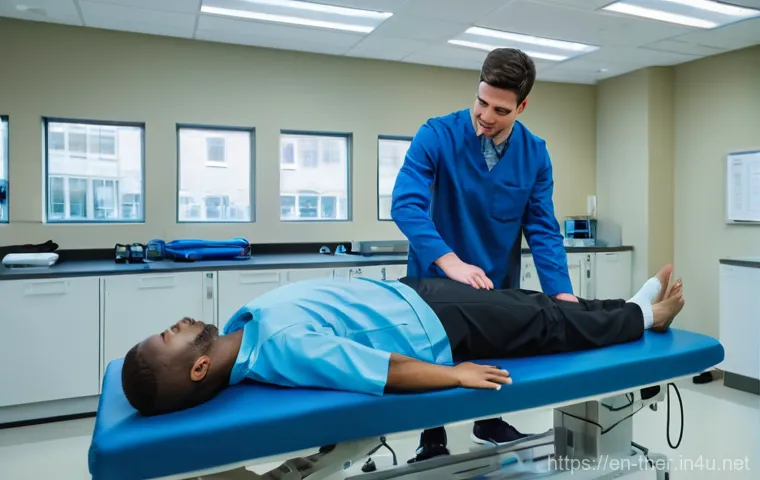
Observation hours are absolutely critical. Most DPT programs require a significant number of hours across different physical therapy settings, and this isn’t just a box to check.
This is your opportunity to gain firsthand experience, confirm your interest in the field, and build connections. I personally made sure to observe in an outpatient orthopedic clinic, a hospital setting, and even a skilled nursing facility.
It gave me such a comprehensive view of the profession and helped me understand the diverse roles PTs play. These experiences provide fantastic material for your essays and interviews, allowing you to speak authentically about what you’ve seen and learned.
Moreover, it demonstrates to admissions committees that you’ve done your homework and are committed. The quality of your observation experiences, and how you articulate what you gained from them, often matters more than just the sheer number of hours.
It shows initiative, curiosity, and a serious commitment to the profession.
Beyond Graduation: Launching Your Physical Therapy Career
The First Steps: Licensure and Job Search
After all that hard work, the relief of graduation is immense, but the journey doesn’t stop there! The very next big hurdle is passing the National Physical Therapy Examination (NPTE) to obtain your state license.
It’s a comprehensive exam, and intense preparation is key. I remember the months leading up to it, feeling like I was back in full-time study mode! Once licensed, the job hunt begins.
The great news is that physical therapists are in high demand across the U.S., which offers excellent job prospects. Networking during your clinical rotations often pays off here; many students receive job offers from sites where they’ve completed their internships.
Online job boards, professional association career centers, and even direct outreach to clinics are all effective strategies. Tailoring your resume and cover letter to each specific job opportunity is crucial, highlighting how your skills and experiences align with their needs.
Don’t underestimate the power of a strong LinkedIn profile too, as recruiters are increasingly using it to find candidates.
Continued Growth: Residencies, Fellowships, and Lifelong Learning
For many DPT graduates, the learning doesn’t stop after their entry-level degree. Many choose to pursue specialized residencies or fellowships to further hone their skills in a specific area like sports, orthopedics, neurology, or pediatrics.
These are intensive, post-graduate programs that provide advanced clinical training and mentorship, essentially fast-tracking your expertise in a particular niche.
I’ve seen colleagues emerge from residencies with an incredible depth of knowledge and skill that truly sets them apart. Beyond formal programs, lifelong learning is absolutely fundamental in physical therapy.
The field is constantly evolving with new research, techniques, and technologies. Attending continuing education courses, workshops, and conferences isn’t just a requirement for maintaining licensure; it’s an opportunity to stay current, expand your skillset, and connect with other professionals.
This continuous pursuit of knowledge ensures you remain a highly effective and impactful physical therapist throughout your career.
Making the Right Choice: Factors to Weigh in Your DPT Program Selection
Accreditation and Program Reputation: Non-Negotiables
When you’re sifting through potential DPT programs, there are a few non-negotiables that simply cannot be overlooked. First and foremost, accreditation.
Ensure that any program you consider is accredited by the Commission on Accreditation in Physical Therapy Education (CAPTE). This isn’t just a formality; it’s your assurance that the program meets rigorous educational standards and that your degree will be recognized for licensure.
Graduating from a non-accredited program can seriously jeopardize your ability to become a licensed physical therapist. Beyond accreditation, delve into the program’s reputation.
Look at their NPTE pass rates – a strong pass rate is a good indicator of program quality. Also, investigate their employment rates post-graduation. How quickly do their graduates find jobs?
What kinds of settings are they working in? Speaking with current students and alumni can provide invaluable insights into the program’s culture, faculty support, and overall student satisfaction.
These factors collectively paint a picture of how well a program prepares its students for success in the real world.
Location, Culture, and Clinical Affiliations: Finding Your Fit
Beyond the academic rigor, you’re going to be spending three intensive years (or more) in this environment, so the culture and location really matter.
Do you thrive in a bustling urban setting with diverse clinical opportunities, or do you prefer a smaller, more intimate campus community? I found that visiting campuses, if possible, gave me an intuitive sense of whether I’d feel comfortable and supported there.
Pay close attention to the faculty-to-student ratio; smaller ratios often mean more personalized attention. Also, critically examine their clinical affiliations.
A program with a wide range of high-quality clinical sites means more diverse and potentially more enriching clinical experiences for you. Do they have affiliations with leading hospitals or specialized clinics that align with your interests?
Consider the support services available, such as tutoring, counseling, and career services. These elements, while seemingly secondary, can significantly impact your overall experience and success within the program.
Choosing a DPT program isn’t just about academics; it’s about finding a place where you can truly flourish both personally and professionally.
Evolving Your Perspective: From Student to Professional
Cultivating Professionalism and Ethical Practice
The journey through a DPT program is not just about accumulating knowledge and skills; it’s also about cultivating a strong sense of professionalism and an unwavering commitment to ethical practice.
From day one, you’ll be encouraged to think and act like a healthcare professional. This means understanding patient privacy (HIPAA is a big deal!), maintaining confidentiality, and always advocating for your patients’ best interests.
I personally found that interacting with patients during my observation hours and early clinical experiences really brought these ethical considerations to life.
You learn the importance of clear communication, active listening, and building trust. There will be challenging situations, and your ethical compass will guide you through them.
Many programs integrate specific coursework on professional ethics and jurisprudence, ensuring you’re well-versed in the legal and moral responsibilities that come with being a licensed physical therapist.
It’s about developing integrity and accountability, qualities that are just as crucial as your clinical expertise.
Embracing Interdisciplinary Collaboration
One of the most valuable lessons I learned, especially during my clinical rotations, was the absolute necessity of interdisciplinary collaboration. Physical therapy doesn’t happen in a vacuum.
You’ll be working closely with physicians, nurses, occupational therapists, speech-language pathologists, social workers, and many other healthcare professionals.
Understanding their roles, communicating effectively, and collaborating on patient care plans is paramount for achieving the best possible outcomes. I remember a particularly complex case where seamless communication between myself, the patient’s physician, and the occupational therapist completely transformed the patient’s recovery trajectory.
DPT programs often emphasize this through case studies, team projects, and certainly during your clinical experiences. It’s about recognizing that each team member brings unique expertise to the table and that together, you can provide more comprehensive and holistic care.
This collaborative mindset is not just beneficial for patients; it enriches your own professional experience and broadens your understanding of the entire healthcare system.
| Program Aspect | Traditional On-Campus DPT Programs | Hybrid DPT Programs |
|---|---|---|
| Learning Environment | Primarily in-person lectures, labs, and hands-on sessions in a university setting. Strong sense of campus community. | Blended approach with online didactic coursework and mandatory on-campus intensives for labs and practicals. Offers flexibility. |
| Flexibility | Less flexible, requiring daily attendance and adherence to a fixed schedule. Best for students who prefer structured learning. | Highly flexible for didactic content, allowing students to manage coursework around other commitments. In-person components are scheduled. |
| Technology Use | Supports in-person learning; may use online platforms for supplemental materials, assignments, and communication. | Heavily relies on advanced online learning management systems, virtual simulations, and telehealth tools for remote learning. |
| Networking Opportunities | Frequent face-to-face interactions with faculty, peers, and often on-campus clinical opportunities. | Combines virtual networking with in-person interactions during intensives and clinical rotations. Requires proactive engagement. |
| Ideal Candidate | Prefers a structured, immersive campus experience; values direct, immediate access to faculty and resources. | Needs flexibility due to personal or professional commitments; self-motivated and comfortable with independent online learning. |
글을마치며
Whew, we’ve covered a lot, haven’t we? Deciding to pursue a Doctor of Physical Therapy degree is a monumental step, one that demands careful thought, significant dedication, and a clear vision for your future. I truly hope this deep dive into DPT programs, from traditional campuses to innovative hybrid models, curriculum intricacies, financial planning, and career launching pads, has provided you with clarity and confidence. Remember, this isn’t just about picking a school; it’s about embarking on a journey that will shape you into a compassionate, skilled healthcare professional ready to make a tangible difference in people’s lives. Trust your instincts, do your homework, and get ready for an incredibly rewarding adventure!
알아두면 쓸모 있는 정보
1. Start Your Application Early: Trust me on this one. The application process for DPT programs can be extensive, involving essays, recommendation letters, and transcript submissions. Giving yourself ample time to gather everything and refine your essays will significantly reduce stress and improve the quality of your application. Don’t rush perfection!
2. Network Like Crazy: Every person you meet – professors, clinical instructors, fellow students, even administrative staff – is a potential contact in your future career. Attend professional events, engage in discussions, and don’t be shy about asking questions. A strong network can open doors to clinical placements, job opportunities, and invaluable mentorship.
3. Prioritize Self-Care: DPT programs are rigorous, no two ways about it. It’s easy to get caught up in the endless studying, but burnout is real. Make time for hobbies, exercise, and spending time with loved ones. A healthy mind and body are crucial for managing the demands of the program and truly excelling.
4. Embrace Technology: The PT field is rapidly integrating new tech, from telehealth to advanced diagnostic tools. Familiarize yourself with common platforms and stay open to learning new digital skills. This will not only enhance your learning experience but also make you a more competitive and adaptable clinician in the long run.
5. Financial Aid Offices Are Your Friends: Seriously, these folks are a goldmine of information. Don’t hesitate to schedule appointments with financial aid counselors at prospective schools. They can help you understand loan options, potential scholarships, and repayment plans, ensuring you make informed decisions about funding your education.
중요 사항 정리
Ultimately, selecting the right DPT program hinges on understanding your personal learning style and career aspirations. Whether you gravitate towards the immersive community of a traditional campus or the flexible structure of a hybrid model, ensure the program is CAPTE-accredited and boasts strong NPTE pass rates and post-graduation employment statistics. Remember, diverse clinical experiences are paramount for developing well-rounded skills, so scrutinize clinical affiliations closely. Beyond academics, foster professionalism, embrace interdisciplinary collaboration, and plan your finances wisely. This journey is an investment in a future where you’ll empower patients to live their best lives, a truly fulfilling path.
Frequently Asked Questions (FAQ) 📖
Q: What’s the real difference between a traditional on-campus DPT program and these newer hybrid or accelerated options, and how do I know which is right for me?
A: Oh, this is such a common question, and honestly, it’s one I wrestled with myself! When I was looking, it felt like everyone was pushing traditional, but the landscape has changed so much.
A traditional on-campus program, which many of us grew up thinking was the only way, really immerses you in that university environment. You’re typically attending classes in person, interacting face-to-face with professors and classmates daily, and doing your labs right there in dedicated facilities.
It’s fantastic for hands-on learners who thrive on that consistent, structured interaction. You build a strong cohort bond, which can be invaluable for support.
Now, those hybrid or accelerated programs? They’ve really surged, especially in the last few years, offering incredible flexibility. Hybrid models usually blend online coursework with periodic, intensive on-campus lab sessions – sometimes called “immersions.” This can be a lifesaver if you have family commitments, a full-time job, or just live far from a good DPT program.
I’ve seen friends absolutely thrive in hybrid models because they could manage their life and studies simultaneously. Accelerated programs, on the other hand, cram the same high-quality curriculum into a shorter timeframe, often with fewer breaks.
They’re intense, no doubt, but if you’re laser-focused and ready to commit 110% for a shorter period, you could be out there helping patients sooner. How do you pick?
Think about your learning style, honestly. Do you need that daily face-to-face connection and the routine of a physical classroom? Traditional might be your jam.
Do you have a demanding personal life or prefer the autonomy of self-paced learning for lectures, balanced with intensive practicals? A hybrid could be perfect.
And if you’re a high-energy, super-motivated individual who wants to power through and start your career ASAP, an accelerated path might just be your golden ticket.
It’s all about knowing yourself and what truly sets you up for success, not just what everyone else is doing!
Q: Is a DPT degree truly worth the time and financial investment, especially with the cost of higher education today?
A: This is probably the biggest question on everyone’s mind, and I get it – pursuing a DPT is a significant commitment, both in time and finances. When I was staring down those tuition numbers, I had more than a few sleepless nights!
But looking back now, having been in the field for a while, my honest answer is a resounding “yes.”Here’s why: first, the job satisfaction is immense.
You’re directly impacting people’s lives, helping them regain mobility, reduce pain, and get back to doing what they love. That feeling of seeing a patient achieve a goal they thought was impossible?
Priceless. Second, the demand for physical therapists continues to grow. With an aging population, increasing awareness of preventative care, and advancements in treatment, skilled PTs are always needed.
This means good job security and diverse career opportunities, whether you want to work in a hospital, private practice, sports clinic, or even start your own business.
Financially, while the initial investment is substantial, the earning potential for a DPT is strong and stable. It’s not a get-rich-quick scheme, but it provides a comfortable, professional living.
Many programs also offer financial aid, scholarships, or graduate assistantships to help offset costs. Plus, when you love what you do, the “work” often doesn’t feel like work.
For me, the ability to build meaningful relationships with patients and continuously learn and grow in a dynamic healthcare environment makes every dollar and every long study night absolutely worth it.
It’s an investment in a rewarding career that truly makes a difference.
Q: Beyond just accreditation, what are the key factors I should seriously consider when evaluating DPT programs to ensure I’m choosing one that will actually make me a successful PT?
A: Absolutely! Accreditation (specifically from CAPTE in the US) is non-negotiable – that’s your baseline, making sure the program meets essential quality standards.
But trust me, that’s just the tip of the iceberg when you’re looking for a program that will truly prepare you to be an amazing physical therapist. From my personal experience, here are the things that really make a difference:First, clinical affiliations and opportunities.
This is HUGE. Look at the breadth and depth of their clinical rotations. Do they offer diverse settings like acute care, outpatient orthopedics, pediatrics, neurorehabilitation, and even specialized areas like pelvic health or sports?
A wide variety gives you hands-on experience and helps you figure out what niche you’re passionate about. Also, ask about their relationships with clinical sites – do they have established, high-quality partners?
A program with strong affiliations means you’re getting mentored by top professionals in the field. Second, faculty expertise and mentorship. Don’t just check their CVs; look for faculty who are actively practicing, researching, and passionate about teaching.
Are they experts in areas you’re interested in? Even better, do they make themselves accessible for mentorship? My professors were a huge part of my learning beyond just lectures – their real-world insights and guidance were invaluable.
Third, consider the program’s culture and student support. Visit the campus, if possible, or engage with current students. Do they seem collaborative or overly competitive?
Is there strong academic support, counseling, or career services? A supportive environment can make all the difference when you’re navigating a demanding curriculum.
You’re going to spend intense years with these people, so finding a place where you feel supported and challenged in a positive way is crucial. Finally, think about their pass rates for the national licensure exam and post-graduation employment rates.
While not the only indicator, high numbers here suggest the program effectively prepares students for licensure and successful careers. It’s about setting yourself up not just to get a degree, but to excel in your chosen profession.