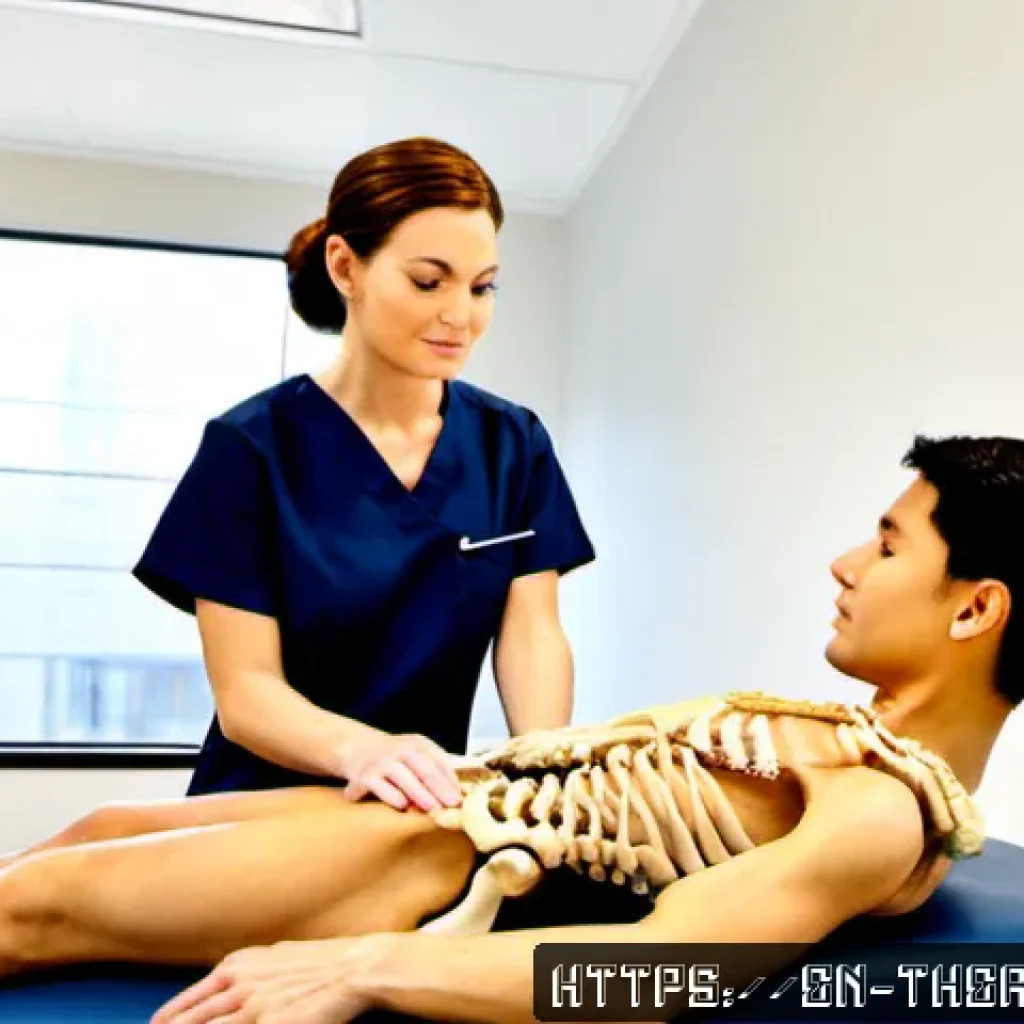
New physical therapists build confidence by making patient safety, structured assessment, accurate documentation, and appropriate supervision their daily priorities.
A reliable routine is more useful than trying to appear certain in every unfamiliar situation. Early practice is a time to connect what you learned with the real pace, complexity, and communication demands of clinical care.
Each patient’s goals, symptoms, functional limits, and response to treatment should shape the plan. When something falls outside your competence or authorization, asking for support is sound clinical judgment.
The habits below can help you work carefully while continuing to grow.
Establish a Safe Clinical Foundation
Safe practice begins before an intervention is selected. Learn how your workplace handles supervision, handoffs, incident reporting, emergency procedures, and access to patient records. Local scope-of-practice rules and employer policies may differ, so confirm what you are authorized to do and when supervision is required rather than relying on assumptions.
Know your scope, supervision pathway, and workplace procedures
Identify the people you can approach for clinical questions and understand the usual route for obtaining a review. This may include a supervisor, experienced colleague, or another member of the healthcare team. Know the practical details as well: where precautions are recorded, how equipment is checked, and which procedures must be followed before treatment begins. Caseload expectations, productivity standards, and electronic record workflows vary by employer and should be clarified early.
Use safety screening and escalation habits from day one
Review the available information, listen to the patient’s current concerns, and observe how they move and respond during the session. Do not minimize symptoms, safety risks, or findings that do not fit the expected picture. Pause treatment when needed and escalate concerns when they fall outside your competence or authorization. Escalation is not a failure of independence; it protects the patient and supports coordinated care.
Create a Repeatable Assessment Process
A repeatable assessment structure helps prevent important details from being missed when the day becomes busy. It also makes your reasoning easier to explain to patients and colleagues.
Connect the patient interview, examination, and functional goals
Start with what matters to the patient: the activities they want or need to do, the symptoms affecting them, and the limits they notice in daily life. Use the interview to guide the examination, then connect your findings back to a functional goal. For example, the purpose of testing movement or tolerance is not simply to collect data; it is to understand how those findings affect meaningful activity. Keep the assessment focused on information that can guide safe next steps.
Identify findings that require additional review or referral
Not every question can be resolved within one appointment or by one clinician. When the presentation is unclear, symptoms change unexpectedly, or a finding raises a safety concern, seek additional review through the appropriate workplace pathway. Individual diagnoses, precautions, contraindications, and referral requirements require case-specific confirmation.
Plan Treatment With Clear Clinical Reasoning
Treatment planning works best when it has a visible link to the assessment and the patient’s priorities. A plan should answer a simple question: why is this intervention appropriate for this person today?
Choose interventions that match goals, tolerance, and precautions
Select interventions that support the functional goal, respect known precautions, and fit the patient’s current tolerance. Explain the purpose in plain language so the patient can participate in decisions and report how the activity feels. Avoid using the same routine for every person merely because it is familiar. The right choice depends on the patient’s symptoms, functional limits, goals, and available clinical information.
Reassess response and adjust rather than following a fixed script
Observe the patient’s response during and after treatment. If the response suggests that the current approach is not appropriate, adjust the activity, intensity, assistance, or plan within your authorization. When you are unsure how to proceed, stop and ask for guidance. Clinical reasoning is an ongoing process, not a one-time decision made at the start of the visit.
Document and Communicate Effectively
Clear records and concise communication help the next clinician understand what happened, why it mattered, and what may be needed next.

Record relevant findings, interventions, patient response, and next steps
Document the findings that informed your decisions, the interventions provided, the patient’s response, and the plan for follow-up. Include relevant changes in symptoms, function, tolerance, or safety concerns. Documentation requirements and record systems vary by jurisdiction and employer, so use the local process while keeping the entry accurate, timely, and clinically meaningful.
Communicate concise updates with patients, caregivers, and team members
Give updates that are specific enough to support action. With patients and caregivers, explain the goal, what was practiced, and any agreed next step in understandable terms. With team members, focus on relevant findings, changes in status, current risks, and items needing review. If you are handing off care, avoid assuming that others can infer the important details from a brief note alone.
| Clinical habit | Practical focus |
|---|---|
| Assessment | Link symptoms and examination findings to functional goals. |
| Treatment | Match the intervention to tolerance, precautions, and current response. |
| Documentation | Record relevant findings, care provided, response, and next steps. |
| Escalation | Seek support when safety, symptoms, or findings exceed your authority or competence. |
Develop Confidence Without Working Beyond Your Limits
Confidence grows from preparation, reflection, and support. It does not require having an immediate answer to every clinical question.
Seek feedback, mentorship, and targeted learning opportunities
Ask for feedback on a focused part of your practice, such as an assessment sequence, treatment explanation, or documentation entry. Specific questions tend to produce useful feedback. A mentor or experienced colleague can also help you compare your reasoning with workplace expectations and identify learning priorities without turning every uncertainty into a crisis.
Manage uncertainty, workload, and professional boundaries
Busy schedules can create pressure to move quickly, but rushing should not replace safety checks or clear communication. Use a simple structure for each visit, complete required documentation, and raise workload concerns through appropriate channels if they affect safe care. Be honest about what you know, what you need to verify, and when another clinician should be involved.
Closing Thoughts
The first stage of physical therapy practice is about building dependable habits, not proving that you can work alone in every situation. A structured assessment, goal-directed treatment, clear documentation, and timely escalation create a strong base for future growth. Seek feedback regularly and use uncertainty as a prompt to check, learn, or consult. Requirements for supervision and practice will depend on your location and workplace.
Useful Information to Remember
Keep patient goals and functional limits visible throughout the session. Check precautions and current symptoms before progressing care. Document what changed and why. Use local policies for supervision, referrals, and recordkeeping. Ask for review early when a safety issue or unfamiliar finding appears.
Key Points at a Glance
New physical therapists do their best work by combining careful safety screening with a consistent assessment process, treatment plans that respond to the individual patient, and communication that supports continuity of care. Working within scope and escalating concerns appropriately are central parts of professional practice.
Frequently Asked Questions
Q1. What should a new physical therapist focus on during the first months of practice?
A1. Focus on safe routines: understanding workplace procedures, completing structured assessments, linking care to functional goals, documenting clearly, and knowing when to seek supervision. Exact requirements depend on your jurisdiction and employer.
Q2. How can a beginner physical therapist improve clinical reasoning?
A2. Practice connecting the patient’s symptoms, functional limits, examination findings, goals, and response to treatment. Ask experienced colleagues for feedback on your reasoning, especially in cases where the next step is not clear.
Q3. When should a physical therapist ask a supervisor or colleague for help?
A3. Ask for help when symptoms, safety risks, clinical findings, or planned care fall outside your competence or authorization. It is also appropriate to seek review when you are unsure about precautions, documentation expectations, or the need for further assessment or referral.