Navigating physical therapy courses can feel overwhelming, especially with the rapidly evolving healthcare landscape demanding both deep knowledge and practical skills.
Whether you’re just starting or looking to sharpen your study habits, mastering these courses efficiently is key to standing out as a future therapist.
Lately, innovative study techniques and time management strategies have gained traction among successful students, transforming how they retain complex concepts.
In this post, I’ll share proven methods that I’ve tested myself, helping you save time and boost your confidence. Stick around to discover how you can turn challenges into stepping stones on your journey to becoming a skilled physical therapist.
Building a Strong Foundation with Anatomy and Physiology
Visual Learning Techniques for Complex Structures
When I first tackled anatomy and physiology, the sheer volume of information felt intimidating. What really helped was turning to visual learning methods.
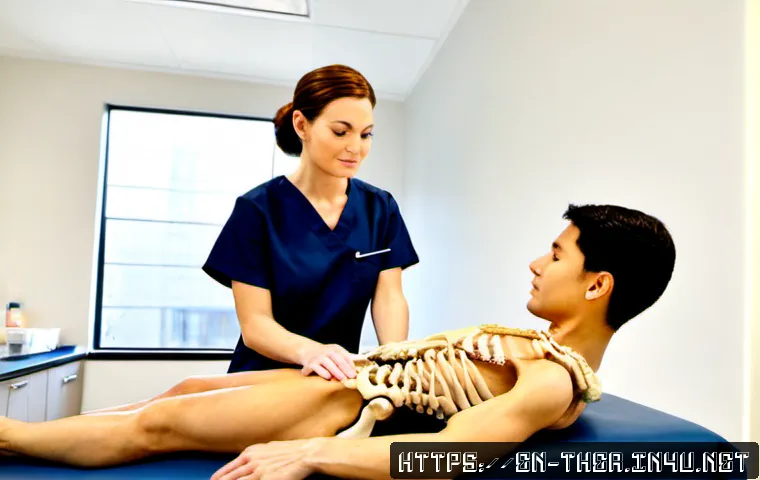
Sketching muscles, bones, and organ systems by hand reinforced my memory far better than just reading textbooks. I also used 3D anatomy apps, which allowed me to rotate and zoom in on structures, making the spatial relationships easier to grasp.
This hands-on visual approach transformed dry facts into tangible concepts that stuck with me longer.
Active Recall and Spaced Repetition in Practice
Passive rereading was a trap I fell into initially, but switching to active recall changed the game. I created flashcards with questions on one side and answers on the other, forcing myself to retrieve information rather than just recognize it.
Spaced repetition apps helped me review these cards at optimal intervals, preventing burnout and boosting retention. From experience, this method is a lifeline during exam season, reducing last-minute cramming stress.
Integrating Clinical Scenarios Early
Connecting textbook knowledge to real-life clinical cases early on made anatomy and physiology more meaningful. I would study a muscle group, then immediately look at common injuries or disorders related to it.
This contextual learning not only deepened understanding but also sparked curiosity to explore further. For example, learning about the rotator cuff muscles alongside common shoulder injuries gave me practical insights that felt relevant and exciting.
Mastering Movement Science Through Active Engagement
Kinesthetic Learning with Practical Exercises
Since movement science is all about how the body moves, applying what I learned through physical demonstration was invaluable. I practiced movements on myself or classmates, which helped me feel the mechanics firsthand.
This hands-on experience made abstract concepts like joint kinematics and muscle activation patterns much clearer. If you can’t try it yourself, watching slow-motion videos or motion analysis can offer a similar perspective.
Breaking Down Complex Movements Into Steps
Complex movements can be overwhelming when studied as a whole. I found it effective to break them down into smaller components — for example, analyzing gait by focusing separately on stance phase, swing phase, and transitions.
This chunking method made it easier to identify key muscle roles and joint actions without getting lost in details. It’s like solving a puzzle piece by piece rather than staring at the entire picture at once.
Group Study for Movement Pattern Analysis
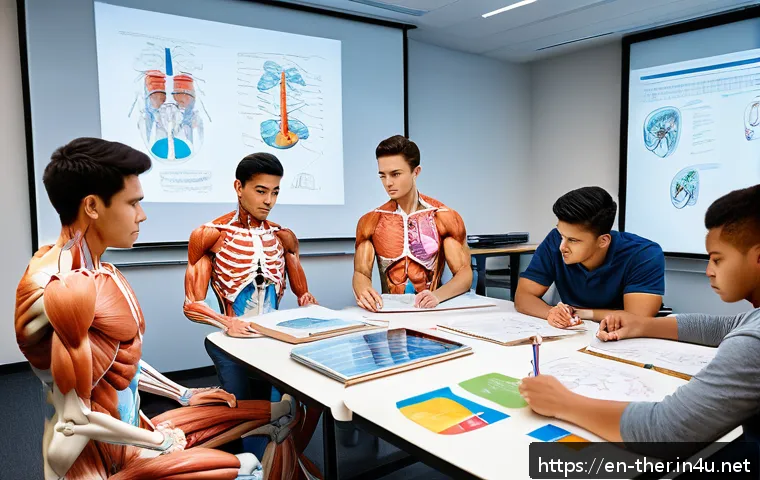
Discussing movement patterns with peers opened my eyes to different perspectives. Group study sessions where we analyzed videos or practiced clinical tests together helped clarify nuances I might have missed alone.
Explaining concepts to others also reinforced my own understanding. These collaborative moments often led to lively debates, pushing us all to think critically and deepen our grasp of movement science.
Effective Strategies for Learning Pathology and Clinical Conditions
Storytelling to Remember Disease Processes
Pathology can be a tough subject because it involves memorizing many disease mechanisms. I found it helpful to create stories around these processes. For instance, imagining how inflammation spreads or how a nerve injury affects movement turned dry facts into narratives that were easier to recall.
Personalizing these stories, sometimes with quirky details or analogies, made studying feel less like a chore.
Using Concept Maps to Connect Symptoms and Treatments
Drawing concept maps linking symptoms, underlying causes, and treatment options helped me see the big picture in pathology. This visual organization clarified relationships and pathways, which is crucial when you need to make clinical decisions.
Revisiting these maps before exams or clinical rotations provided a quick refresher that reinforced integrated knowledge rather than isolated facts.
Prioritizing Common Conditions for Clinical Readiness
Not all pathologies are equally important in day-to-day physical therapy practice. Focusing study time on the most prevalent conditions, like stroke, osteoarthritis, and low back pain, paid off by making me more confident during clinical placements.
I recommend creating a prioritized list of conditions based on your curriculum and clinical exposure, so you can allocate time efficiently and feel prepared for real patient scenarios.
Optimizing Study Time with Smart Scheduling and Breaks
The Pomodoro Technique for Maintaining Focus
Long study sessions often led me to lose concentration and feel drained. Implementing the Pomodoro Technique — studying intensely for 25 minutes followed by a 5-minute break — kept my mind fresh and productivity high.
During breaks, I’d stretch or grab a snack, which helped prevent burnout. Over time, this rhythm made tackling large topics more manageable and less daunting.
Prioritizing Tasks Based on Difficulty and Deadlines
I used to tackle easy tasks first to get a quick sense of accomplishment, but I noticed procrastination on harder subjects. Switching to prioritize difficult topics early in the day when my energy was highest improved my efficiency.
Also, organizing study sessions around assignment deadlines and exam dates kept me on track and reduced last-minute stress.
Incorporating Movement and Mindfulness into Study Breaks
Physical therapy studies demand both mental and physical stamina. I found incorporating light exercise like yoga or mindfulness meditation during breaks rejuvenated me better than scrolling through social media.
This helped me stay calm, reduce anxiety, and return to studying with renewed focus, which was especially helpful during intense exam periods.
Leveraging Technology to Enhance Learning and Retention
Apps That Turn Study into Interactive Experiences

Using apps like Anki for flashcards and Visible Body for 3D anatomy transformed my study sessions from passive reading to active engagement. These tools allow for personalized learning paths and instant feedback, which helped me identify weak areas quickly.
I recommend experimenting with different apps to find what fits your style — the right tech can make a huge difference.
Recording and Reviewing Lectures for Flexible Learning
Sometimes, lectures move too fast or cover complex material that needs revisiting. Recording sessions (when allowed) or using provided video lectures enabled me to pause, rewind, and take detailed notes at my own pace.
This flexibility was a lifesaver during exam prep, allowing me to focus on challenging sections repeatedly without pressure.
Creating Digital Study Groups and Forums
Connecting with peers through online forums or messaging apps provided additional support beyond the classroom. Sharing resources, discussing tough concepts, and quizzing each other helped build a sense of community and accountability.
Plus, you can access these groups anytime, making it easy to clarify doubts even outside formal study hours.
Developing Clinical Reasoning Through Case-Based Learning
Analyzing Real Patient Cases Step-by-Step
Working through patient cases methodically strengthened my clinical reasoning. I’d start by summarizing patient history, then list possible impairments, and finally suggest treatment plans.
This approach helped me think like a therapist and apply theory practically. Over time, this habit made clinical decision-making more intuitive and less overwhelming.
Simulating Patient Interviews and Assessments
Role-playing patient interviews and assessments with classmates was one of the most effective ways to build communication skills and confidence. Practicing open-ended questions and active listening prepared me for real interactions.
I noticed that this simulation reduced my anxiety during clinical placements and improved my ability to gather essential information efficiently.
Reflecting on Clinical Experiences to Identify Learning Gaps
After every clinical rotation or simulation, I took time to reflect on what went well and what could improve. Writing down these reflections helped me identify knowledge gaps and skill weaknesses, guiding future study priorities.
This self-assessment process fostered continuous growth and made me more self-aware as a developing therapist.
| Study Technique | Benefits | Practical Tips |
|---|---|---|
| Visual Learning (3D Apps, Sketching) | Improves memory retention by engaging spatial understanding | Use anatomy apps daily; draw structures by hand |
| Active Recall & Spaced Repetition | Enhances long-term retention and reduces cramming | Create flashcards; review with apps like Anki |
| Pomodoro Technique | Maintains focus and prevents burnout | Study for 25 mins, break for 5; repeat 4 cycles then longer break |
| Case-Based Learning | Develops clinical reasoning and practical application | Analyze cases stepwise; simulate patient interviews |
| Group Study & Discussion | Offers multiple perspectives and reinforces knowledge | Form small study groups; discuss and quiz each other |
Balancing Self-Care to Sustain Long-Term Success
Recognizing Signs of Burnout Early
Physical therapy courses can be physically and mentally demanding, and I learned the hard way how important it is to watch for burnout signs like fatigue, irritability, and declining motivation.
When these appeared, I made it a point to slow down and prioritize rest. Ignoring burnout only led to decreased productivity and enthusiasm, which no one wants during such a critical phase.
Creating a Support System for Emotional Well-Being
Having friends, family, or mentors to lean on during tough times made a huge difference. I found that sharing struggles and successes not only relieved stress but also provided valuable advice and encouragement.
Joining student organizations or support groups related to physical therapy also helped me feel connected and understood.
Incorporating Physical Activity and Nutrition
As a future therapist, I realized that practicing what I preach matters. Regular exercise and balanced nutrition kept my energy levels stable and my mind sharp.
Even simple routines like morning stretches or prepping healthy snacks contributed to better concentration and mood throughout intense study days. Taking care of my body ultimately supported my academic performance.
In Conclusion
Building a strong understanding of anatomy, physiology, movement science, and pathology requires active engagement and smart study habits. Combining visual tools, practical experiences, and clinical reasoning creates a solid foundation for success. Prioritizing self-care and leveraging technology can sustain motivation throughout your learning journey. Remember, consistent effort and reflection are key to mastering physical therapy concepts effectively.
Helpful Tips to Keep in Mind
1. Use visual aids like 3D apps and hand-drawn sketches daily to strengthen memory retention and spatial awareness.
2. Apply active recall with spaced repetition tools such as flashcards to improve long-term retention and reduce cramming stress.
3. Break down complex movements or concepts into smaller, manageable parts for easier understanding and analysis.
4. Incorporate regular breaks using techniques like Pomodoro, and include light physical activity or mindfulness to maintain focus and reduce burnout.
5. Engage with peers through group study or online forums to gain diverse perspectives and reinforce your knowledge.
Key Takeaways for Effective Learning
Developing expertise in physical therapy demands more than memorization—it requires integrating theory with practice through active, hands-on learning methods. Prioritize difficult topics when your energy is highest, use technology to personalize your study experience, and reflect regularly on your progress. Additionally, balancing study with self-care is essential to avoid burnout and maintain consistent performance. These strategies combined will help you build confidence and clinical readiness.
Frequently Asked Questions (FAQ) 📖
Q: What are the most effective study techniques for mastering physical therapy courses?
A: From my experience, combining active recall with spaced repetition works wonders. Instead of passively rereading notes, quiz yourself regularly on key concepts, then revisit challenging topics over increasing intervals.
I also found that applying what I learned through case studies or practical scenarios helped cement complex ideas better than memorization alone. Using flashcards for anatomy and movement science, alongside group discussions to clarify doubts, made a huge difference in retention and understanding.
Q: How can I manage my time efficiently while juggling physical therapy coursework and clinical practice?
A: Time management is crucial, especially when balancing intense coursework with hands-on clinical hours. I recommend breaking your day into focused blocks—dedicate specific hours for studying, clinical work, and rest.
Tools like digital calendars and task lists helped me prioritize assignments and avoid last-minute cramming. Importantly, scheduling short breaks prevented burnout and kept my energy up.
Remember, quality beats quantity; focused study sessions are far more productive than long, distracted ones.
Q: How do I stay motivated when physical therapy studies feel overwhelming?
A: Feeling overwhelmed is totally normal, but staying connected to your ‘why’ makes a huge difference. I kept motivation alive by setting small, achievable goals and celebrating each milestone, whether it was mastering a new technique or acing a quiz.
Surrounding myself with supportive peers and mentors also provided encouragement and practical advice when things got tough. Finally, reminding myself of the positive impact I’d have on future patients kept me pushing forward, even during the hardest days.