Physical therapy students commonly study foundational sciences, movement science, clinical assessment, and supervised practice. Anatomy, physiology, kinesiology, biomechanics, pathology, and clinical education are usually central parts of the curriculum.
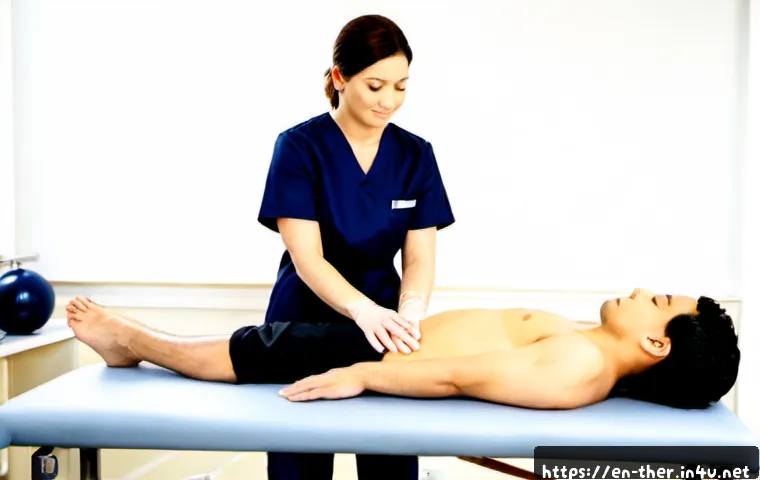
The exact subjects, course names, and training structure can differ by school, degree level, and licensing region. Still, understanding the role of each subject can make course planning much clearer.
This guide organizes the main areas students are likely to encounter and explains why they matter.
Core Science Foundations
Physical therapy education begins with science subjects that explain how the body is built and how it works. These courses provide the background needed to understand movement problems, recovery, and safe treatment choices.
Anatomy and Physiology
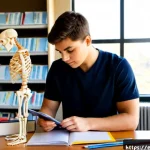
Anatomy covers body structures, including muscles, bones, joints, nerves, and organs. Physiology focuses on how body systems function. Together, they help students relate a patient’s symptoms or movement limits to the structures and systems involved. Course depth and sequence depend on the institution.
Biology, Chemistry, and Neuroscience
Biology and chemistry support an understanding of living systems and basic body processes. Neuroscience is especially relevant for learning how the nervous system influences sensation, movement, coordination, and function. Some programs may place more emphasis on these subjects than others, so applicants should review their intended curriculum.
Movement Science Essentials
Movement science turns foundational knowledge into a practical understanding of how people move, compensate, and respond to physical demands.
Kinesiology and Biomechanics
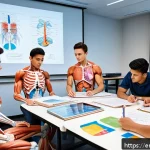
Kinesiology examines human movement and posture. Biomechanics looks at forces, joint mechanics, and the physical factors that affect motion. These subjects help students analyze walking, lifting, reaching, balance, and other daily activities without treating movement as a one-size-fits-all pattern.
Exercise Physiology and Therapeutic Exercise
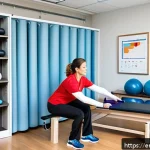
Exercise-related coursework helps students consider how the body responds to activity and how movement may be used in rehabilitation. Therapeutic exercise is typically studied in connection with a person’s function, goals, and examination findings. The specific techniques taught and the level of detail vary by program.
Clinical Knowledge and Assessment
Clinical coursework helps students connect health conditions with examination findings and treatment planning. It also develops the habit of adjusting decisions when new information appears.
Pathology, Pharmacology, and Medical Conditions
Pathology introduces conditions that can affect body function and recovery. Programs may also include pharmacology or medication-related considerations as part of broader clinical education. The exact scope of this material depends on local curriculum and professional requirements.
Patient Examination and Clinical Reasoning
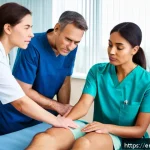
Students learn to gather relevant information, observe movement, and connect findings with a treatment plan. Clinical reasoning is not simply memorizing a method. It involves considering the person’s condition, functional needs, and the information available during assessment.
| Study area | Main purpose |
|---|---|
| Anatomy and physiology | Understand body structures, systems, and function |
| Kinesiology and biomechanics | Analyze movement, posture, forces, and joint mechanics |
| Pathology and assessment | Link health conditions with examination and planning |
| Clinical education | Apply learning in supervised practice settings |
Treatment Skills and Practice Settings
Physical therapy programs commonly introduce treatment approaches alongside clinical decision-making. The goal is to understand how skills may be selected and applied appropriately rather than viewing any technique as universally suitable.
Rehabilitation Techniques and Modalities

Rehabilitation coursework may cover therapeutic approaches and modalities used within a treatment plan. Students need to understand the intended purpose of an approach, its relation to assessment findings, and the importance of supervision and program-specific instruction.
Orthopedic, Neurologic, and Cardiopulmonary Care
Programs may organize clinical learning around orthopedic, neurologic, and cardiopulmonary care. These areas show how physical therapy principles can be applied to different movement and function concerns. Course titles and the amount of time assigned to each area can differ substantially.
Clinical Education and Professional Development
Classroom learning is commonly paired with professional skills and supervised clinical education. Requirements for placements, timing, and evaluation should always be confirmed with the school and relevant licensing jurisdiction.
Supervised Clinical Placements
Clinical placements allow students to apply knowledge in practice settings under supervision. They can help connect examination, planning, communication, and treatment skills. Placement structure and required hours are not the same across institutions or regions.
Ethics, Communication, and Evidence-Based Practice
Professional development includes communicating clearly with patients and working responsibly within ethical expectations. Evidence-based practice encourages students to use relevant information when making decisions. These skills support sound care across different practice settings.
Closing Thoughts
Physical therapy study is built around a connected set of subjects rather than one single “most important” class. Strong science knowledge supports movement analysis, while assessment and clinical education bring that knowledge into practice. Students comparing programs should look beyond course titles and check how each curriculum organizes its science, clinical, and placement components. Local qualification and licensing expectations also need separate confirmation.
Useful Information to Keep in Mind
1. Review the official curriculum for required courses. 2. Check whether the pathway is undergraduate, professional doctorate, or another qualification. 3. Ask how supervised clinical education is structured. 4. Confirm regional licensing requirements independently. 5. Use anatomy and movement science as connected subjects, not isolated topics.
Key Takeaways
Physical therapy programs commonly combine foundational sciences, movement science, clinical assessment, treatment-related learning, and supervised clinical education. Anatomy, physiology, kinesiology, biomechanics, pathology, and clinical practice are recurring areas, but exact requirements depend on the school and region.
Frequently Asked Questions
Q1. What subjects should I focus on before applying to physical therapy school?
A1. Focus on subjects that support body structure, body function, and human movement, such as anatomy, physiology, biology, chemistry, and kinesiology where available. Exact prerequisites vary, so check the requirements of each program.
Q2. Is anatomy the most important subject for physical therapy students?
A2. Anatomy is highly important because it supports understanding of muscles, joints, nerves, and body structures. However, it works alongside physiology, biomechanics, pathology, assessment, and clinical education rather than replacing them.
Q3. Do physical therapy programs include hands-on clinical training?
A3. Physical therapy curricula commonly include supervised clinical education. The placement format, required hours, settings, and evaluation process vary between institutions and licensing jurisdictions.