In today’s fast-paced healthcare environment, physical therapists often find themselves juggling demanding schedules with little time to unwind. With burnout rates rising, maximizing your paid time off isn’t just a luxury—it’s essential for maintaining both your well-being and professional growth.

Taking strategic breaks can recharge your energy, improve patient care, and even open doors to new opportunities. If you’ve ever wondered how to make the most out of your PTO without feeling guilty or falling behind, you’re in the right place.
Let’s explore practical tips tailored specifically for physical therapists aiming to balance rest and career advancement effectively.
Strategic Planning for PTO to Avoid Last-Minute Stress
Understanding Your PTO Balance and Policies
Knowing exactly how much paid time off you have accumulated and understanding your workplace’s policies is the cornerstone of effective PTO management.
Many physical therapists I’ve spoken to often overlook this step, resulting in missed opportunities to take meaningful breaks. Take the time to review your PTO balance regularly, whether through your HR portal or by directly communicating with your manager.
This proactive approach prevents the panic of last-minute requests and helps you plan your time off during less busy periods, reducing disruption to both your schedule and patient care.
Scheduling PTO Around Peak Workloads
Timing your PTO around your clinic’s busiest seasons is a game-changer. For example, if your clinic sees a surge in patients during certain months, aim to take your leave just before or after these periods.
I’ve personally found that taking a break right after a busy quarter allows me to recharge fully without feeling guilty about leaving colleagues in the lurch.
Communicating early with your team about your planned time off also fosters a supportive environment where coverage can be arranged smoothly, ensuring continuity of care.
Creating a PTO Calendar with Colleagues
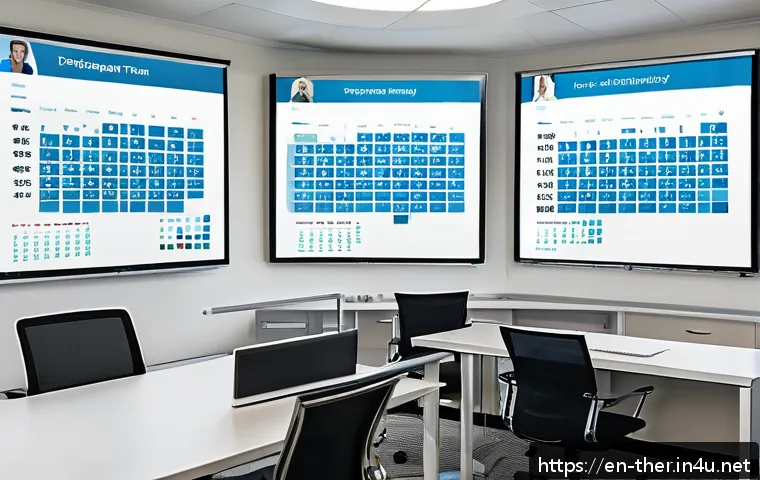
Collaborative planning makes a huge difference. Setting up a shared PTO calendar with your team helps everyone visualize when others are off and enables better coordination.
In my experience, this simple tool reduces scheduling conflicts and encourages open dialogue about workload sharing. It’s especially helpful in smaller clinics where staffing flexibility is limited.
By knowing your coworkers’ availability, you can plan your PTO strategically without compromising patient treatment schedules.
Maximizing Rest and Recovery During PTO
Disconnecting Fully to Recharge
One of the biggest mistakes physical therapists make is trying to stay “on call” during their time off. I’ve learned that the quality of rest drastically improves when you truly disconnect from work emails, calls, and patient concerns.
Setting clear boundaries, like turning off notifications or informing your team that you’ll be unreachable, helps your mind and body recharge. This dedicated downtime improves your focus and energy levels when you return, ultimately benefiting your patients.
Incorporating Active Recovery Activities
Physical therapy is demanding on your own body, so incorporating gentle exercise, yoga, or stretching during PTO can aid recovery. I often include low-impact activities like swimming or walking in nature, which refresh my muscles and reduce stress without feeling like work.
These active recovery days keep me energized and prevent the stiffness or fatigue that can build up from both work and inactivity.
Prioritizing Mental Health and Mindfulness
Burnout isn’t just physical—it’s emotional too. Using PTO to engage in mindfulness practices, meditation, or even therapy sessions can make a significant difference.
I’ve personally found that dedicating time to mental wellness during my breaks helps me maintain resilience and empathy in my patient interactions. Whether it’s journaling, guided meditation apps, or simply spending quiet time with loved ones, nurturing your mental health is a crucial part of effective PTO.
Leveraging PTO for Professional Development
Attending Workshops and Conferences
PTO can be a valuable resource for attending professional development events. Instead of just resting, using some of your time off to participate in workshops or conferences can enhance your skills and open new career doors.
I once used PTO to attend a specialized manual therapy seminar, which not only refreshed my clinical techniques but also expanded my professional network.
Balancing rest with growth turns your PTO into a powerful investment in your career.
Engaging in Online Courses and Certifications
If travel isn’t an option, online courses during PTO offer flexibility and convenience. I recommend selecting courses that fit your interests and career goals, whether it’s learning new treatment modalities or improving patient communication skills.
The key is to avoid burnout by pacing yourself—don’t cram learning into every day off but rather blend it with relaxation. This approach keeps your mind stimulated without overwhelming you.
Reflecting on Career Goals and Progress
Taking time during PTO to reflect on your professional journey helps you realign your goals. I suggest dedicating at least one day to evaluate your achievements, areas for improvement, and next steps.
Writing down these reflections creates a clear roadmap for your career growth. This intentional pause can boost motivation and clarify which skills or experiences you want to pursue next.
Building a Support System to Facilitate PTO Usage
Communicating Openly with Supervisors
Open communication with your supervisors about your PTO plans fosters trust and support. I’ve found that when managers understand your need for rest and professional development, they’re more likely to accommodate your requests.
Being transparent about how your time off benefits your performance and patient care builds a positive dialogue rather than tension around taking leave.
Collaborating with Colleagues for Coverage
Arranging coverage with your colleagues is critical to feeling comfortable taking time off. I always make sure to offer reciprocal help when they take PTO, which strengthens team dynamics.

This mutual support system not only ensures patients receive consistent care but also eases the guilt some therapists feel about stepping away.
Utilizing Administrative Resources
Many workplaces provide administrative support for PTO scheduling and coverage planning. Don’t hesitate to leverage these resources to streamline the process.
For example, some clinics have staff coordinators or automated scheduling software that can help manage your time off requests efficiently. Using these tools reduces the administrative burden and lets you focus on making the most of your PTO.
Practical Tips to Prevent Guilt and Work Anxiety During PTO
Setting Realistic Expectations for Yourself
It’s common to feel guilty about taking time off, especially in healthcare roles where patients depend on you. I’ve learned that setting realistic expectations about what you can and cannot do during your PTO helps alleviate this guilt.
Remember, taking care of yourself is part of being a good therapist. Your patients benefit when you return refreshed and focused.
Planning for a Smooth Return
Preparing for your return before you leave—such as organizing notes or updating your team—reduces anxiety about falling behind. I usually spend the last day before PTO tying up loose ends and briefing colleagues, which helps me enjoy my break without constant worry.
This preparation creates a seamless transition back to work and reassures you that patient care remains uninterrupted.
Practicing Mindfulness to Manage Work-Related Thoughts
When work-related thoughts creep in during PTO, mindfulness techniques can help you stay present. I often use deep breathing exercises or short meditation sessions to refocus my mind.
These practices prevent stress from overshadowing your rest and keep your mental state balanced.
Tracking PTO Impact on Well-Being and Performance
Monitoring Energy and Mood Levels
Keeping a simple journal during and after PTO can reveal patterns in your energy and mood. I’ve noticed that after well-planned breaks, my productivity and patient interactions improve noticeably.
Tracking these changes motivates me to prioritize PTO regularly.
Evaluating Patient Care Quality Post-PTO
Reflecting on patient outcomes and feedback after your time off helps assess the true value of your rest. In my experience, taking strategic breaks leads to enhanced focus and empathy, which patients appreciate.
This evaluation reinforces the importance of PTO not just for personal health but for professional excellence.
Adjusting PTO Strategies Based on Experience
No single PTO plan fits all. I recommend reviewing what worked and what didn’t after each break and adjusting accordingly. Whether it means taking longer leaves, scheduling more frequent short breaks, or integrating professional development differently, flexibility ensures your PTO serves you best.
| Aspect | Strategy | Benefit |
|---|---|---|
| PTO Scheduling | Plan around clinic’s workload and use shared calendars | Minimizes disruption and scheduling conflicts |
| Rest and Recovery | Disconnect fully and incorporate active recovery | Enhances physical and mental rejuvenation |
| Professional Growth | Attend workshops and online courses during PTO | Boosts skills and career opportunities |
| Support System | Communicate openly with supervisors and colleagues | Facilitates smooth PTO usage and coverage |
| Guilt Management | Set realistic expectations and prepare for return | Reduces anxiety and improves PTO quality |
| Performance Tracking | Monitor energy, mood, and patient care post-PTO | Informs future PTO planning and validates benefits |
In Closing
Effective PTO planning is essential to maintaining your well-being and delivering quality care. By understanding your PTO balance, coordinating with your team, and setting clear boundaries, you can enjoy truly restorative breaks. Remember, well-managed time off benefits both you and your patients, helping you return energized and focused. Make PTO a priority, not an afterthought, to sustain your professional and personal health.
Helpful Information to Keep in Mind
1. Regularly check your PTO balance and understand your company’s policies to avoid surprises when planning time off.
2. Coordinate your PTO around busy work periods to minimize disruption and maximize your rest.
3. Use shared calendars with colleagues to improve scheduling transparency and teamwork.
4. Fully disconnect during your time off and include gentle physical activities for optimal recovery.
5. Communicate openly with supervisors and peers to ensure smooth coverage and reduce work-related guilt.
Key Takeaways
Strategic PTO management is vital for balancing work demands with personal rejuvenation. Prioritize proactive planning by knowing your leave options and syncing with your team’s schedule. Embrace full disconnection to enhance recovery, and consider using PTO for professional growth opportunities. Open communication and mutual support within your workplace are crucial to making time off stress-free and guilt-free. Finally, reflect on your experiences to continuously improve how you use PTO for your overall well-being and career advancement.
Frequently Asked Questions (FAQ) 📖
Q: How can I use my PTO effectively without feeling guilty about leaving patients or colleagues behind?
A: It’s completely normal to feel a bit guilty when taking time off, especially in a demanding field like physical therapy. The key is planning ahead: communicate your PTO well in advance, delegate tasks when possible, and ensure your patients have clear follow-up plans.
Remember, taking care of yourself ultimately benefits your patients because you’ll return refreshed and more focused. I’ve found that setting boundaries and trusting your team helps ease that guilt and makes the time off genuinely restorative.
Q: What are some practical ways physical therapists can recharge during their PTO to improve both well-being and career growth?
A: The best PTO isn’t just about doing nothing—it’s about intentional rest and growth. For example, mixing relaxation with professional development can be a game-changer.
I like to spend a few days fully unplugged, enjoying nature or hobbies, then dedicate some time to online courses or workshops that spark my interest.
This combo helps me return both rejuvenated and inspired. Also, incorporating mindfulness or light exercise during your time off can boost mental clarity and energy levels, directly improving your patient care when you’re back.
Q: How can taking strategic breaks impact my long-term career as a physical therapist?
A: Strategic breaks do more than just prevent burnout—they enhance your creativity, decision-making, and empathy, which are crucial in patient care. From my experience, stepping away periodically allows me to reflect on my practice, identify areas for improvement, and even discover new passions within the field.
Over time, this approach has opened doors to leadership roles and specialized certifications. So, think of PTO as an investment in your career longevity and personal fulfillment, not just time off.