As the demand for skilled physical therapists continues to grow in today’s healthcare landscape, understanding what students truly gain during clinical practice has never been more crucial.

Recent shifts towards patient-centered care and hands-on learning experiences highlight the importance of bridging theory with real-world application.
If you’re curious about how future therapists develop their clinical intuition and technical skills before stepping into professional roles, you’re in the right place.
Let’s dive into the core lessons students absorb during their clinical rotations and why these experiences shape their ability to transform patient outcomes effectively.
Whether you’re a student, educator, or healthcare enthusiast, this insight promises to deepen your appreciation of physical therapy’s dynamic training journey.
Building Practical Confidence Through Real Patient Interactions
Learning to Read Patient Cues Beyond the Textbook
One of the most eye-opening aspects of clinical practice is how students learn to interpret subtle patient cues that textbooks rarely capture. For example, a patient’s body language, facial expressions, or hesitation during certain movements often hint at pain or fear that isn’t explicitly stated.
I remember during my rotations, a patient’s slight wince when attempting a stretch made me pause and adjust my approach—something I wouldn’t have noticed without hands-on experience.
This intuitive skill, often called clinical reasoning, grows with repeated exposure to diverse patient presentations and is essential for tailoring treatments effectively.
Hands-On Skill Refinement and Technique Mastery
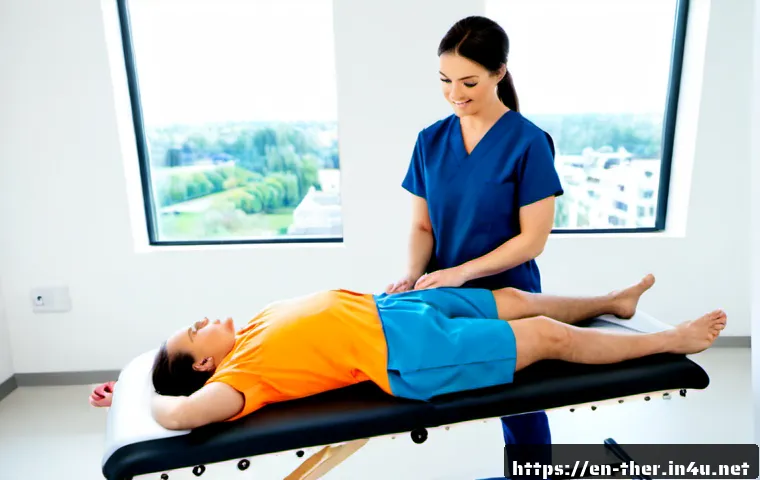
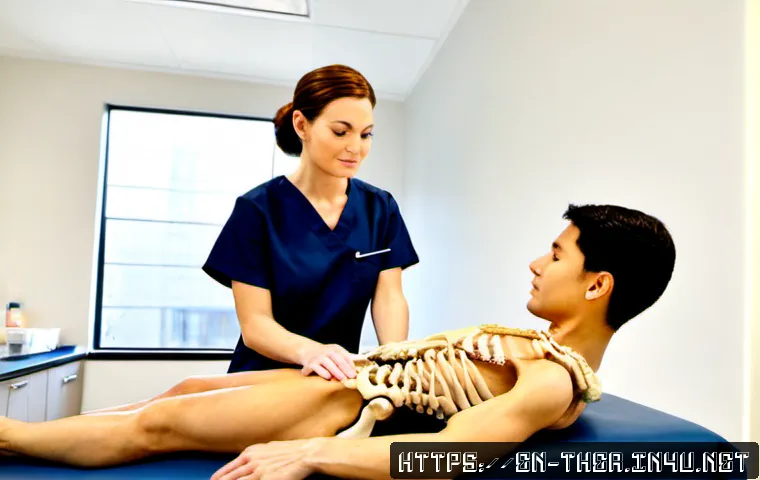
No amount of classroom theory can substitute the tactile learning students gain during clinical hours. From palpating muscles to applying manual therapy techniques, students refine their touch and precision through continuous practice.
Early on, many struggle with finding the right amount of pressure or the correct hand placement, but with supervisor feedback and patient responses, these skills sharpen rapidly.
I found that practicing on real patients helped me overcome the awkwardness of technique execution and develop a confident, fluid style, which is critical for patient comfort and therapeutic success.
Adapting to Varied Clinical Environments
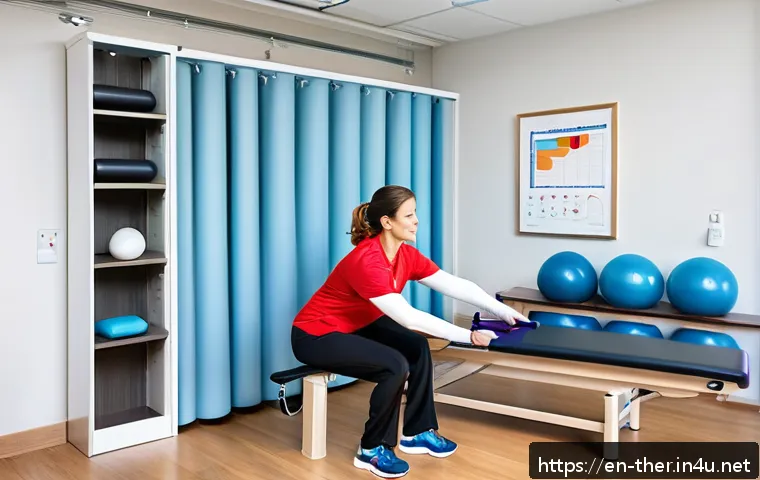
Clinical rotations expose students to a wide range of settings—outpatient clinics, hospitals, rehabilitation centers—each with its own workflow and patient demographics.
Learning to navigate these environments teaches flexibility and adaptability, which are invaluable once students become licensed therapists. For instance, time management becomes a real challenge when balancing multiple patients with complex needs in a busy hospital ward.
Experiencing this firsthand prepared me for the unpredictable pace of professional practice and highlighted the importance of prioritizing care without sacrificing quality.
Developing Effective Communication Skills with Patients and Teams
Building Rapport to Enhance Patient Cooperation
Establishing trust and rapport with patients is a subtle art that students begin to grasp during clinical practice. I noticed that even small gestures, like maintaining eye contact or using simple, empathetic language, significantly impacted patient engagement and willingness to participate in therapy.
Students learn to adjust their communication style to suit different ages, cultural backgrounds, and cognitive abilities, which is crucial for effective treatment plans.
These interactions often teach more about human connection than any lecture ever could.
Collaborating with Multidisciplinary Healthcare Teams
Physical therapy seldom happens in isolation. Students witness and participate in team meetings, case discussions, and coordinated care planning alongside doctors, nurses, and occupational therapists.
This exposure helps them appreciate each profession’s role and the importance of clear, respectful communication. During my rotations, being part of interdisciplinary teams allowed me to see how sharing insights improves patient outcomes and fosters a holistic approach to recovery.
It also helped me develop professional confidence in advocating for my patients’ needs.
Documenting Clinical Notes with Precision
Accurate documentation is a critical skill learned on the job. Students quickly realize that clear, concise, and objective notes not only ensure continuity of care but also fulfill legal and billing requirements.
Writing progress notes, treatment plans, and discharge summaries demands attention to detail and the ability to summarize complex information effectively.
I found that getting immediate feedback on my notes during clinical practice was invaluable in improving this essential skill, which directly impacts patient safety and clinic efficiency.
Navigating Ethical Dilemmas and Professional Responsibility
Understanding Patient Confidentiality and Consent
During clinical practice, students confront the real-world importance of maintaining patient privacy and obtaining informed consent. These concepts shift from abstract ideas to practical responsibilities as students handle sensitive information and communicate treatment options clearly.
I recall situations where explaining procedures in layman’s terms to anxious patients was essential to gaining their consent. This experience instilled a deep respect for patient autonomy and the ethical standards that govern healthcare.
Managing Clinical Uncertainties and Limitations
No clinical scenario is black and white. Students learn to navigate uncertainty, whether it’s recognizing when a patient’s progress stalls or deciding when to seek guidance.
This humbling process encourages humility and lifelong learning. Personally, I often felt overwhelmed when outcomes didn’t match expectations, but supervisors emphasized the importance of reflection and collaboration.
Embracing these challenges prepares students to handle complex cases thoughtfully and ethically.
Balancing Compassion with Professional Boundaries
Clinical practice teaches students to care deeply without overstepping professional limits. This balance is tricky—being empathetic while maintaining objectivity ensures patients feel supported yet safe.
Through patient interactions, I learned how to listen actively and respond with kindness, but also when to set boundaries to protect both patient welfare and my own emotional health.
These lessons are fundamental for sustainable practice and personal well-being.
Mastering Clinical Decision-Making and Problem-Solving
Integrating Theory with Real-Time Assessment
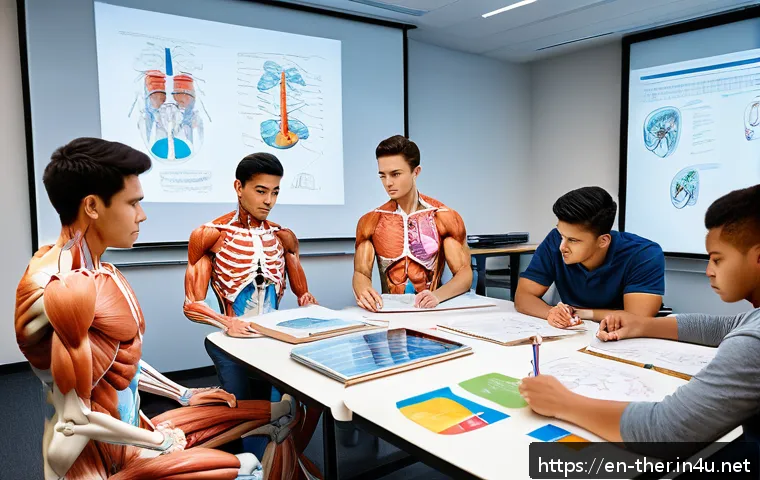
One of the most rewarding aspects of clinical practice is applying classroom knowledge to real patient assessments. Students learn to synthesize anatomy, biomechanics, and pathology with what they observe during evaluations.
For example, deciding which tests to perform and interpreting their results requires both knowledge and intuition. I found that initially, I leaned heavily on protocols, but with experience, I developed the ability to tailor assessments to individual patient needs, which is crucial for effective treatment planning.
Formulating and Adjusting Treatment Plans
Creating a treatment plan is not a one-and-done task; it’s a dynamic process that evolves with patient progress. Clinical rotations teach students to set realistic goals, select appropriate interventions, and modify plans based on ongoing feedback.
Watching patients respond differently to treatments was eye-opening and reinforced the need for flexibility. In my experience, being able to think critically and adapt quickly made a tangible difference in patient outcomes.
Utilizing Evidence-Based Practice in Clinical Settings
Students are encouraged to integrate the latest research into their clinical decision-making, bridging science with practice. This means not only knowing current guidelines but also critically appraising new studies and considering their applicability to individual cases.
I saw firsthand how evidence-based interventions improved patient care and how questioning traditional methods can lead to better results. This skill fosters a mindset of continuous improvement and professional growth.
Enhancing Time Management and Organizational Skills
Prioritizing Patient Care in Busy Settings
Clinical rotations often feel like a juggling act, with multiple patients requiring attention and limited time. Students quickly learn to prioritize tasks based on urgency, complexity, and patient needs.
I remember feeling pressured initially but soon discovered strategies like pre-planning sessions and efficient documentation helped me stay on track. These skills are critical for maintaining high-quality care under time constraints.
Coordinating Follow-Ups and Referrals
Managing patient schedules and coordinating with other providers is a vital part of clinical work. Students gain experience arranging follow-up appointments, communicating with specialists, and ensuring continuity of care.
This organizational aspect often goes unnoticed in school but becomes a major component of daily practice. I appreciated how these tasks taught me to think beyond the immediate session and consider the patient’s entire recovery journey.
Balancing Learning and Patient Responsibilities
Students face the unique challenge of balancing their own educational needs with providing patient care. Time management skills extend to preparing for evaluations, studying, and self-reflection, all while meeting clinical demands.
I found that developing routines and setting realistic goals helped me maintain this balance, reducing stress and improving performance. This dual focus fosters both professional competence and personal growth.
Gaining Insight into Healthcare Systems and Policies
Understanding Insurance and Reimbursement Processes
Clinical practice provides students with firsthand exposure to the complexities of healthcare financing. They learn how insurance coverage affects treatment options and the importance of documentation for reimbursement.
I noticed that navigating these processes required both attention to detail and clear communication with administrative staff. This understanding helps future therapists advocate for their patients within the system.
Recognizing the Impact of Healthcare Regulations
Students become aware of laws and regulations governing physical therapy practice, such as scope of practice, licensing requirements, and patient rights.
These rules shape clinical decision-making and ensure safe, ethical care. Experiencing their application in real settings reinforced the importance of compliance and accountability.
I found that this knowledge also empowered me to practice confidently within legal boundaries.
Appreciating the Role of Quality Improvement Initiatives
Clinical environments often engage in quality improvement projects to enhance patient outcomes and operational efficiency. Students may participate in data collection or observe process changes, gaining insight into continuous care enhancement.
Being involved in such initiatives showed me how therapists contribute not only through direct care but also by improving systems, which ultimately benefits patients and providers alike.
| Skill Area | Key Learning Points | Practical Impact |
|---|---|---|
| Clinical Reasoning | Interpreting patient cues, adapting assessments | Tailored treatment plans, improved patient outcomes |
| Communication | Building rapport, interdisciplinary collaboration, documentation | Enhanced patient engagement, cohesive team care |
| Ethics & Professionalism | Confidentiality, consent, boundaries | Trustworthy, responsible practice |
| Decision-Making | Evidence-based practice, dynamic treatment planning | Effective, flexible interventions |
| Time Management | Prioritization, scheduling, balancing duties | Efficient clinical workflow, reduced stress |
| Healthcare Systems | Insurance, regulations, quality improvement | Advocacy, compliance, system enhancement |
Conclusion
Gaining hands-on experience through real patient interactions is invaluable for building confidence and competence in clinical practice. It sharpens critical skills like communication, decision-making, and ethical responsibility that textbooks alone cannot teach. Embracing these challenges prepares students for the complexities of professional healthcare, ensuring they provide compassionate, effective care.
Helpful Information to Keep in Mind
1. Real patient interactions reveal subtle cues that improve clinical reasoning beyond textbook knowledge.
2. Developing communication skills with patients and healthcare teams enhances cooperation and treatment outcomes.
3. Ethical practice requires a deep understanding of confidentiality, consent, and professional boundaries.
4. Effective time management and organizational skills are essential for balancing patient care with learning demands.
5. Familiarity with healthcare systems and policies empowers future therapists to advocate for patients and comply with regulations.
Key Takeaways
Practical clinical experience is crucial for transforming theoretical knowledge into effective, patient-centered care. Students grow by interpreting nonverbal signals, refining hands-on techniques, and adapting to diverse clinical settings. Communication and teamwork skills foster trust and collaboration, while ethical awareness ensures professional integrity. Mastering decision-making and time management prepares students for the dynamic nature of healthcare delivery, and understanding systemic factors strengthens their role within the broader medical community. Together, these competencies lay the foundation for confident, responsible, and compassionate therapists.
Frequently Asked Questions (FAQ) 📖
Q: uestionsQ1: How do clinical rotations help physical therapy students develop their hands-on skills?
A: Clinical rotations immerse students in real patient care environments, allowing them to practice assessment techniques, therapeutic interventions, and communication firsthand.
This direct exposure helps students move beyond textbook knowledge to refine their manual skills and adapt treatments based on patient responses. From my own experience, nothing replaces the confidence gained by applying theory in a live setting where each patient presents unique challenges.
Q: Why is patient-centered care emphasized during physical therapy clinical training?
A: Patient-centered care teaches students to prioritize the individual needs, preferences, and goals of each patient rather than relying on a one-size-fits-all approach.
During clinical practice, students learn to listen actively, collaborate with patients, and tailor treatment plans accordingly. This focus not only improves patient satisfaction but also leads to better functional outcomes, which is why educators stress its importance early on.
Q: What challenges do students typically face during their clinical internships, and how do they overcome them?
A: Students often struggle with balancing technical skills, clinical reasoning, and effective communication all at once. It can be overwhelming to manage diverse patient cases and make quick decisions under supervision.
However, by seeking feedback from mentors, reflecting on their experiences, and gradually building confidence through repeated practice, most students successfully navigate these hurdles and emerge better prepared for professional roles.