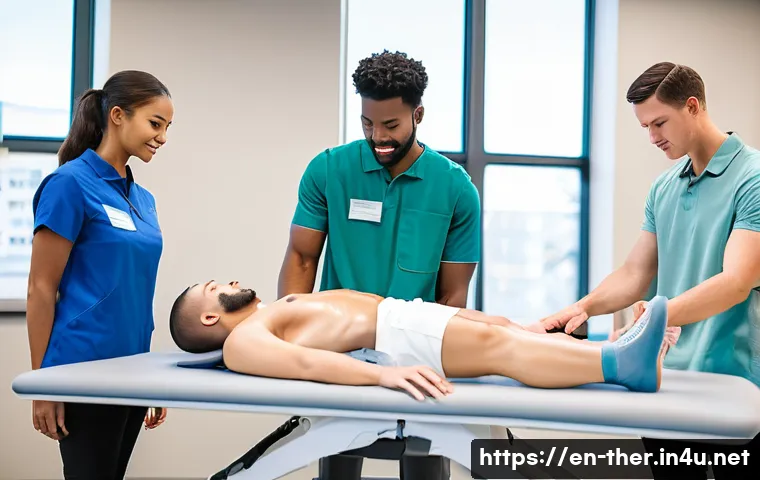
Mastering physical therapy requires more than just memorizing terms and techniques—it demands a strategic approach to studying that blends hands-on practice with deep understanding.

Many students struggle to balance theoretical knowledge with clinical skills, often feeling overwhelmed by the vast amount of material. Finding efficient study methods can not only boost your retention but also enhance your confidence during patient interactions.
From active recall to practical application, the right techniques make a huge difference in your learning journey. Let’s dive into the most effective ways to study physical therapy and help you excel in this rewarding field!
Active Learning Strategies to Deepen Your Understanding
Engaging with Material Through Questioning
When I first started physical therapy school, I realized passive reading wasn’t enough. Asking myself questions about the material—like “Why does this muscle compensate in this movement?” or “How does this injury affect joint biomechanics?”—really helped me process information on a deeper level.
This technique, known as active questioning, forces your brain to engage critically rather than just absorb facts. It’s like having a conversation with the textbook or lecture notes.
Over time, this method transformed my study sessions from dull reviews into interactive problem-solving exercises, which made recall during exams and clinical practice much easier.
Spaced Repetition for Long-Term Retention
I can’t stress enough how spaced repetition changed the game for me. Instead of cramming all the anatomy or pathology chapters in one sitting, I spread out my reviews over days and weeks.
Using apps or simple flashcards, revisiting information at strategic intervals helped cement concepts in my memory. For example, revisiting a technique or muscle group after one day, then three days, then a week, dramatically improved retention.
This approach also reduces the stress of last-minute studying, making it easier to stay consistent without burnout.
Integrating Visual and Kinesthetic Learning
Physical therapy is a hands-on profession, so I found it vital to pair visual aids with movement. Watching videos of manual therapy techniques or anatomy animations helped me visualize complex structures.
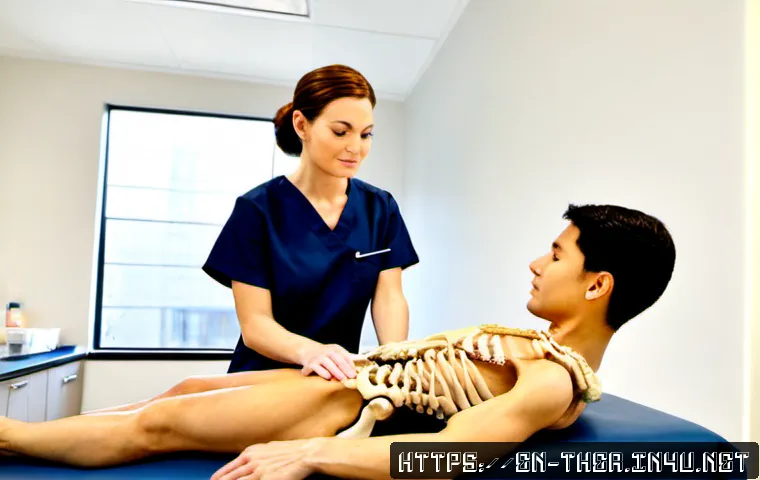
But what made the difference was practicing those movements myself, either on classmates or using models. This kinesthetic involvement created muscle memory and a practical understanding that pure reading couldn’t provide.
If you’re struggling with a particular technique, try breaking it down step-by-step and physically mimicking it; it’s a powerful way to embed knowledge.
Balancing Theory and Practical Skills Efficiently
Creating Study Schedules That Mirror Clinical Practice
One mistake I made early on was separating theory from practice too rigidly. Instead, I started structuring my study time to alternate between textbook learning and hands-on application.
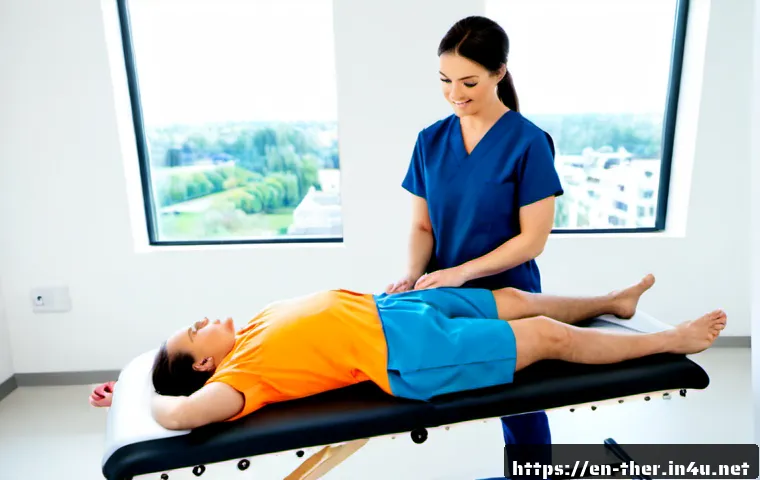
For example, after reading about a certain joint’s anatomy and common injuries, I’d immediately spend time palpating it on a study partner or practicing range-of-motion assessments.
This back-and-forth approach not only reinforced theoretical concepts but made clinical skills feel more intuitive and less intimidating.
Utilizing Case Studies to Connect Concepts
Case studies are gold for linking textbook knowledge with real-world scenarios. When I reviewed a patient case involving rotator cuff tendinopathy, I revisited relevant anatomy, pathology, and treatment options all in one place.
This method helped me see how multiple concepts converge in practice, making learning more cohesive. I recommend writing down your own notes or flowcharts based on cases to clarify your understanding and improve clinical reasoning.
Peer Teaching as a Tool for Mastery
Teaching classmates was a surprisingly effective way to solidify my knowledge. Explaining a concept or technique aloud forces you to organize your thoughts clearly and identify any gaps in understanding.
Plus, hearing questions from peers often introduced perspectives I hadn’t considered. If you can’t find a study group, even recording yourself explaining a topic can boost your confidence and retention.
Optimizing Memory Through Multisensory Techniques
Combining Auditory and Visual Inputs
Listening to podcasts or recorded lectures while reviewing diagrams or notes helped me reinforce key concepts. The dual input of hearing and seeing information engages multiple brain pathways, which aids memory.
For example, replaying a discussion about neuromuscular re-education while looking at muscle charts made the information stick better than either method alone.
Writing to Learn: The Power of Handwritten Notes
Although digital notes are convenient, I noticed that handwriting notes helped me remember details more effectively. The slower pace forces you to process information rather than just transcribe it.
I often rewrote complex topics like kinesiology or therapeutic exercise protocols, summarizing them in my own words. This active involvement boosted understanding and created personalized study materials I could quickly review later.
Mind Mapping Complex Topics
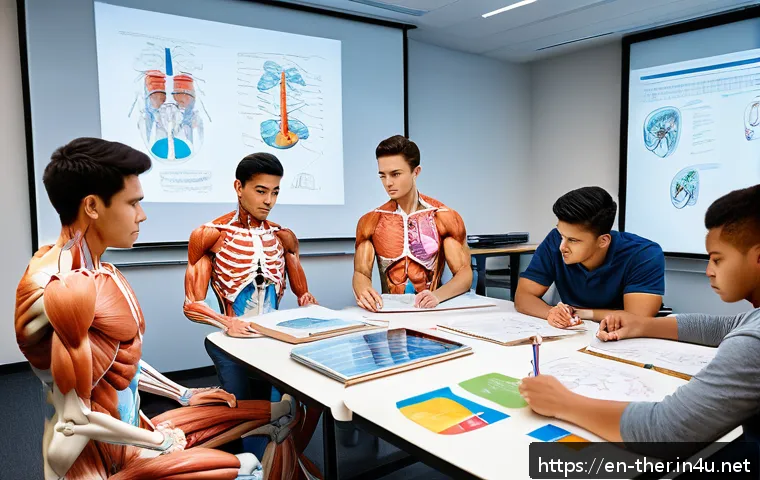
For subjects packed with interrelated ideas, such as neuroanatomy or rehabilitation protocols, mind maps were invaluable. Drawing connections visually helped me see how different components fit together and made recall during exams smoother.
It also allowed me to organize information hierarchically, which was helpful when explaining topics to patients or colleagues.
Effective Time Management to Maximize Study Productivity
Prioritizing High-Yield Topics
In physical therapy, not every topic is equally important for exams or clinical practice. Early on, I learned to identify high-yield areas like musculoskeletal assessments, common pathologies, and therapeutic modalities.
Focusing more time on these topics ensured I covered what mattered most without getting bogged down in excessive detail. Creating a priority list at the start of each study session helped me stay focused and avoid wasted time.
Implementing the Pomodoro Technique
I found that breaking study time into short, intense intervals with breaks in between kept my focus sharp. The Pomodoro Technique—25 minutes of focused study followed by a 5-minute break—prevented burnout and maintained motivation throughout long study days.
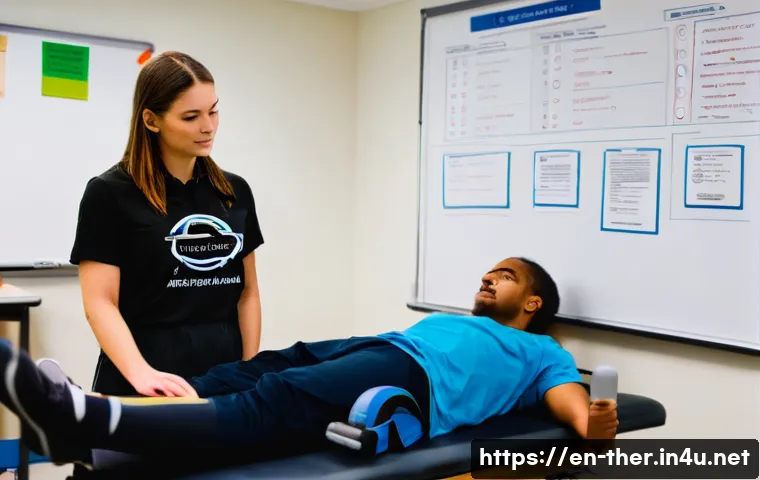
During breaks, I’d stretch or practice deep breathing, which refreshed my mind and body for the next session.
Tracking Progress to Stay Motivated
Keeping a visible log of completed topics and skills practiced gave me a sense of accomplishment and helped me identify areas needing more attention. Whether using a planner or digital app, this habit created accountability and made large goals feel manageable by breaking them into smaller, achievable tasks.
Leveraging Technology and Resources for Enhanced Learning
Utilizing Simulation Labs and Virtual Reality
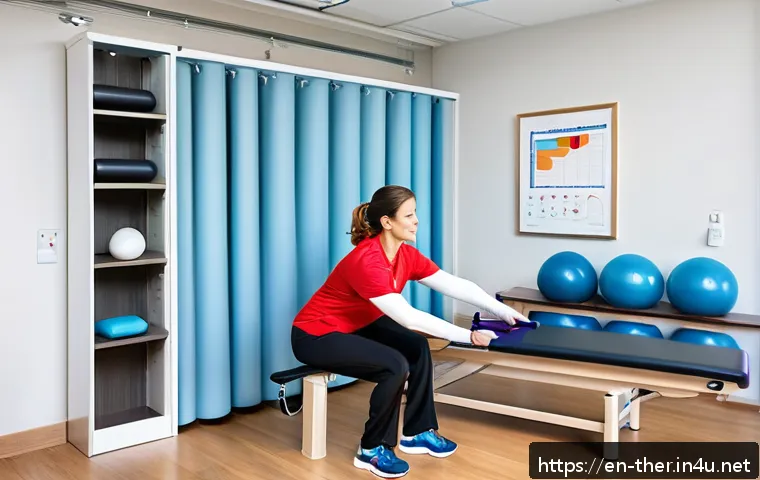
Hands-on experience is critical in physical therapy, and simulation labs provide a safe environment to practice techniques before working with patients.
I also experimented with virtual reality tools that simulate patient assessments and treatment scenarios. These immersive experiences improved my clinical reasoning and confidence, especially when real-world opportunities were limited.
Accessing Online Communities and Forums
Joining professional forums and social media groups allowed me to connect with other students and seasoned therapists worldwide. Sharing questions, resources, and advice broadened my perspective and provided support during challenging times.
These communities often share study tips, recent research, and practical insights that textbooks might not cover.
Choosing the Right Apps and Digital Tools
There are countless apps designed to aid physical therapy students—from anatomy quizzes to exercise prescription generators. I recommend trying a few to find what fits your learning style.
For example, apps that allow you to label anatomical structures or track patient progress digitally can make study and clinical work more interactive and efficient.
Building Confidence Through Repeated Clinical Exposure
Shadowing and Observing Experienced Therapists
Nothing beats real-world exposure when it comes to mastering physical therapy. I gained immense confidence by spending time shadowing therapists in different specialties.
Observing how they communicate with patients, adapt treatments, and handle unexpected situations gave me practical knowledge that no textbook could provide.
It also helped me envision my future role and set realistic expectations.
Participating in Role-Playing Scenarios
Role-playing patient encounters with classmates or instructors was a helpful way to practice communication skills and clinical decision-making. These simulated sessions mimicked the unpredictability of real patients and taught me to think on my feet.
The feedback received was invaluable for refining my approach and boosting my self-assurance.
Reflecting on Clinical Experiences
After each clinical session or practical exam, I made it a habit to reflect on what went well and what could improve. Writing these reflections helped me identify patterns and track growth over time.
It also encouraged a mindset of continuous learning, which is essential in a field as dynamic as physical therapy.
| Study Technique | Description | Benefit |
|---|---|---|
| Active Questioning | Asking self-generated questions about material | Enhances critical thinking and deepens understanding |
| Spaced Repetition | Reviewing material at increasing intervals | Improves long-term memory retention |
| Kinesthetic Practice | Physically performing techniques or movements | Develops muscle memory and practical skills |
| Peer Teaching | Explaining concepts to others | Clarifies knowledge and identifies gaps |
| Pomodoro Technique | Timed focused study sessions with breaks | Boosts focus and prevents burnout |
| Simulation Labs | Practicing in controlled clinical environments | Builds confidence and clinical reasoning |
Conclusion
Mastering physical therapy requires more than just memorizing facts; it demands active engagement and practical application. By integrating various learning strategies like questioning, spaced repetition, and hands-on practice, you can deepen your understanding and build lasting skills. Remember, consistent effort and real-world exposure are key to becoming confident and competent in your field.
Useful Tips to Keep in Mind
1. Break down complex topics into manageable chunks to avoid overwhelm and improve focus.
2. Use a combination of study methods—visual, auditory, and kinesthetic—to reinforce learning from different angles.
3. Schedule regular reviews of material using spaced repetition to enhance long-term retention.
4. Engage with peers through teaching or discussion to clarify concepts and uncover blind spots.
5. Balance study sessions with practical application to connect theory with real-life skills effectively.
Key Takeaways for Effective Learning
Active involvement in your studies transforms passive reading into meaningful understanding. Prioritize high-impact topics and use proven techniques like the Pomodoro method to maintain focus and prevent burnout. Leveraging technology and peer collaboration can accelerate your progress, while consistent clinical exposure builds confidence. Ultimately, a well-rounded approach combining theory, practice, and reflection will set you up for success in physical therapy.
Frequently Asked Questions (FAQ) 📖
Q: What are the most effective study techniques for mastering physical therapy concepts?
A: From my experience, combining active recall with spaced repetition works wonders. Instead of passively rereading notes, quiz yourself regularly on key terms and clinical scenarios.
Also, applying what you learn through hands-on practice or simulation helps cement those concepts deeply. For example, practicing joint mobilization techniques on a peer after studying the theory not only reinforces your memory but builds confidence for real patient interactions.
Mixing theory review with practical application creates a balanced and efficient study routine.
Q: How can I balance learning theoretical knowledge with developing clinical skills in physical therapy?
A: It’s definitely a challenge, but breaking your study time into focused blocks helps. Dedicate specific sessions to anatomy, physiology, and pathology, then follow up with clinical skill labs or shadowing opportunities.
I found that reflecting on cases I observed or practiced right after studying the related theory made everything click faster. Also, creating mind maps or flowcharts linking the science to treatment approaches bridges the gap between knowledge and practice.
Remember, clinical skills improve most when theory is understood, so integrate both rather than treating them as separate.
Q: What tips do you have for staying motivated and managing the overwhelming amount of material in physical therapy programs?
A: Staying motivated comes down to setting small, achievable goals and celebrating progress. I used to feel swamped by endless chapters and procedures, but breaking content into manageable chunks and focusing on one topic at a time reduced that stress.
Also, study groups can be a lifesaver; discussing tricky concepts with peers not only clarifies doubts but makes learning less isolating. Lastly, remind yourself why you chose physical therapy—the chance to help people heal.
Keeping that purpose front and center makes even the toughest study days feel worthwhile.