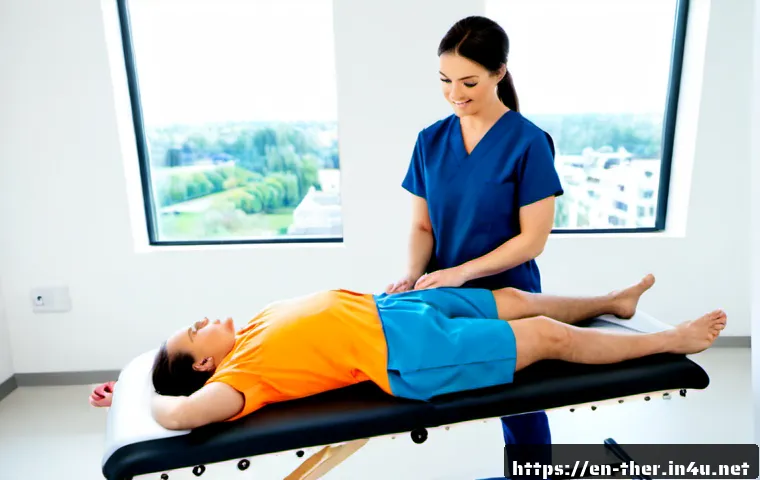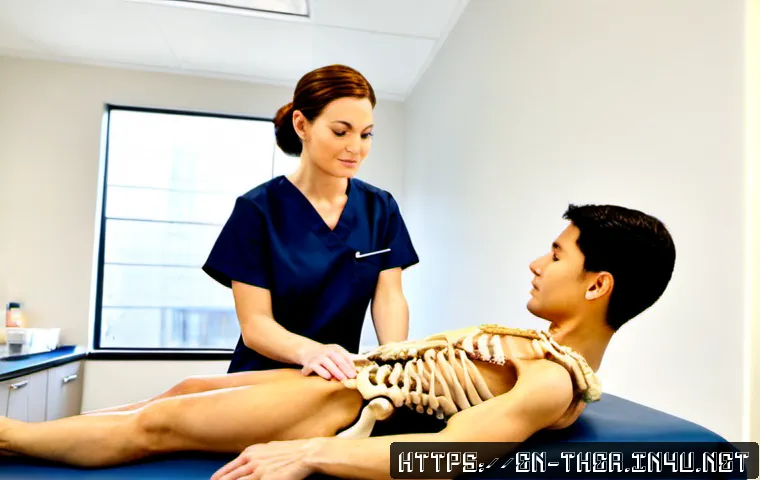
Physical therapists build stronger job performance by focusing on the skills most relevant to their patients, setting, and next career step—not by collecting courses at random.
The best development route is usually a mix of deliberate clinical practice, feedback, evidence review, communication work, and carefully selected continuing education.
Early-career therapists often benefit most from mentorship and foundational training. More experienced clinicians may get greater value from focused certification pathways, advanced rehabilitation training, or leadership development.
Before paying for a course, compare its practical application, instructor expertise, assessment method, recognition, and available employer support. Requirements for licensure renewal and specialty credentials vary by jurisdiction, so confirm eligibility before enrolling.
At a Glance
- Early-career therapists: Prioritize mentorship, observation, feedback, and foundational clinical reasoning skills.
- Experienced clinicians: Choose focused continuing education or certification pathways tied to a clear patient-care or career goal.
- Clinic leads: Consider employer training, communication development, and systems that improve documentation, outcomes, and team coordination.
| Development Option | Time Commitment | Cost Considerations | Feedback and Supervision | Best-Fit Use |
|---|---|---|---|---|
| Self-directed learning | Flexible | Often lower direct cost | Limited unless paired with peer review | Evidence review, targeted knowledge gaps, preparation for discussion |
| Live continuing education | Scheduled sessions plus follow-up practice | Tuition, travel, and possible lost work time | May include instructor feedback or practical assessment | Hands-on skills, structured learning, rehabilitation equipment training |
| Mentorship or clinical observation | Ongoing or arranged internally | May be employer-supported | High potential for direct case-based feedback | Clinical reasoning, confidence, workflow, communication |
| Certification pathway | Usually longer-term | Consider education, examination, renewal, and preparation needs | Varies by program | Defined specialty direction or career positioning |
Build the Skills That Improve Daily Patient Care
Start with the work in front of you. A useful professional development plan should improve decisions, communication, or care processes you encounter regularly. The strongest plan is specific to your patient population and setting, rather than based on what happens to be popular online.
Start With the Patient Populations and Settings You Serve
List the patient presentations, functional goals, and care barriers that appear most often in your schedule. An outpatient therapist may need a different training focus from a clinician in hospital care, home health, sports rehabilitation, or a multidisciplinary rehabilitation setting. Then ask: where do I hesitate, need more feedback, or spend too much time finding an answer?
Choose development activities that match those gaps. A course can be useful, but it should fit your scope of practice, patient mix, and workplace responsibilities. Do not assume that a technique or framework taught for one group transfers automatically to another.
Balance Clinical Reasoning, Hands-On Techniques, Documentation, and Communication
Clinical skill is broader than hands-on treatment. Strong performance also depends on clinical reasoning, patient education, goal-setting, documentation, outcome tracking, and communication with other professionals. If one area is weak, extra technical training alone may not solve the daily problem.
For example, a therapist may understand an intervention but struggle to explain its purpose in plain language. Another may provide thoughtful care but need a more consistent approach to documenting progress and communicating with referring providers. Identify the skill behind the problem before choosing a continuing education course.
Set One Measurable Development Goal at a Time
A narrow goal makes training easier to apply. Instead of “become better at rehabilitation,” define a practical target such as improving your case-review process, practicing a patient education conversation, or using a more consistent outcome-tracking workflow. Review the goal after several relevant patient encounters and ask what changed, what did not, and what feedback you still need.
Compare Professional Development Options Before You Invest
There is no single best format for every physical therapist. Compare learning options by the feedback available, the chance to practice, the relevance to your work, and the total commitment—not just the course title or promotional claims.
Self-Directed Learning Versus Live Continuing Education
Self-study can work well when you have a defined question and a plan to discuss or test what you learn. It offers flexibility for evidence review and preparation, but it may provide limited correction when you misunderstand or cannot apply a concept.
Live continuing education can offer structure, demonstration, peer discussion, and practical assessment. Before enrolling, look for clear learning objectives, instructor qualifications, case relevance, and opportunities to ask questions. Confirm separately whether the course is recognized for your local licensure renewal requirements.
Mentorship, Clinical Observation, and Workplace Training
Mentorship can turn general knowledge into better daily judgment. A mentor, peer observer, or experienced colleague can review reasoning, documentation habits, patient communication, and workflow decisions in context. Employer-sponsored training may also connect directly to clinic protocols or rehabilitation equipment used at your workplace.
Ask your manager or professional development contact whether the organization offers reimbursement, paid education time, in-house training, observation opportunities, or mentorship. Policies can differ widely, so obtain the relevant conditions before making a personal payment.
When a Certification Pathway May Be Worth the Time and Cost
A specialty certification pathway may be worth considering when it supports a defined career direction and aligns with the patients or services you plan to serve. It should not be treated as an automatic replacement for supervision, practical experience, or patient-specific decision-making.
Review eligibility rules, experience expectations, examination requirements, renewal obligations, and recognition in your intended setting. A credential may have value, but its practical return depends on how it fits your role, employer expectations, and longer-term professional goals.
Comparison Table: Cost, Time, Feedback, and Practical Value
Use the table above as a first filter. A lower-cost option may offer strong value when paired with case discussion and deliberate practice. A higher-cost course may be reasonable when it provides relevant supervision, usable tools, and a clear way to assess whether learning transferred into patient care.
Turn Training Into Better Clinical Performance
Completing a course is only the beginning. The important question is whether new learning improves a real clinical decision, conversation, or care process.
Use Case Review and Reflection to Strengthen Clinical Reasoning
After training, select appropriate cases and reflect on the choices you made. Consider the patient’s goals, available information, response to care, and the reasons for adjusting or maintaining the plan. Discussing these questions with a mentor or peer can reveal gaps that a course certificate cannot show.
Practice Patient Education and Shared Goal-Setting
Patients are more likely to engage when they understand the purpose of the plan and can connect it to meaningful goals. Practice concise explanations, invite questions, and check understanding rather than assuming information was clear. Communication training can be especially valuable when clinical knowledge is strong but adherence or expectations remain difficult.
Improve Documentation, Outcome Tracking, and Interdisciplinary Communication
Documentation should support continuity, reasoning, and communication. Consider whether your notes clearly show the patient’s goals, the basis for decisions, progress, and the next step. Consistent outcome tracking and concise interdisciplinary updates can also support better coordination. Follow your organization’s procedures and applicable jurisdictional requirements.

Avoid Common Professional Development Mistakes
Choosing Courses Based Only on Popularity or Marketing Claims
A well-marketed program is not automatically the best match. Look beyond testimonials or broad promises. Ask what participants will practice, how competence is assessed, whether follow-up support exists, and whether the content applies to your actual caseload.
Collecting Credits Without a Plan to Apply New Knowledge
Continuing education credits may be necessary in some locations, but credits alone do not guarantee improved care. Before registering, decide where the learning will be used, who can provide feedback, and how you will review the results afterward.
Overlooking Jurisdictional Requirements and Employer Reimbursement Rules
Licensure renewal and continuing education requirements vary by jurisdiction. Specialty certification and advanced training programs may also have separate eligibility and renewal rules. Confirm course recognition and employer reimbursement details before enrolling or booking travel.
Applying a Technique Without Considering Patient-Specific Factors
Training should inform judgment, not replace it. A technique may not be appropriate for every patient, presentation, setting, or stage of care. Use professional reasoning, available evidence, patient preferences, and applicable standards when deciding how to apply new learning.
Tailor Your Development Plan to Your Career Stage and Work Setting
Early-Career Therapists Building Foundational Confidence
Early-career clinicians often benefit from repetition, observation, case review, and clear feedback. Build confidence through foundational clinical reasoning, communication, documentation, and structured mentorship before pursuing every advanced topic available.
Outpatient, Hospital, Home Health, Sports, and Rehabilitation Settings
Each setting creates different demands. Outpatient care may emphasize progression planning and patient education. Hospital and home-based practice may require strong coordination, safety awareness, and adaptable communication. Sports and rehabilitation environments may place different emphasis on performance goals and return-to-activity discussions. Choose training that reflects your real clinical environment.
Therapists Preparing for Leadership, Teaching, or Specialty-Focused Roles
Career growth can include more than direct care. Therapists moving toward leadership or teaching may benefit from communication, mentorship, quality improvement, documentation systems, and team-development skills. Specialty-focused roles may call for a more formal certification pathway, but confirm that the commitment supports the role you actually want.
Selection Criteria and Comparison Summary
Before choosing a continuing education course, certification program, or employer-sponsored training option, check the following:
- Instructor expertise: Is the instructor’s background relevant to the content and clinical setting?
- Learning format: Does the program include case discussion, supervised practice, assessment, or useful follow-up support?
- Total cost: Consider tuition, travel, time away from work, materials, examination needs, and renewal obligations where applicable.
- Recognition: Confirm whether it meets the requirements relevant to your jurisdiction, employer, or intended credential.
- Practical relevance: Can you apply the learning to your patients, workflow, or career direction soon after completion?
- Employer support: Check reimbursement, paid education time, scheduling conditions, and internal training options.
Choose the option with the clearest patient-care and career value, not simply the most impressive title. Review official course details, credential requirements, and employer policy pages before making a payment.
In Closing
Professional development works best when it starts with a real practice need. Build a focused plan, seek feedback, and create time to apply new learning in appropriate clinical situations. Continuing education, mentorship, and certification can all be useful, but each should serve a clear purpose. A thoughtful choice can strengthen both daily performance and long-term career direction.
Useful Information to Keep in Mind
Keep a simple development record that includes your goal, the learning activity, cases or situations where you applied it, feedback received, and the next adjustment to make. This can help you select future training with more confidence and discuss development support with a clinic manager.
Important Considerations
This is general professional development guidance, not a substitute for local regulatory information, employer policy, or patient-specific clinical judgment. Continuing education eligibility, licensure renewal rules, certification requirements, funding, and scheduling conditions must be confirmed with the relevant jurisdiction, program, and employer.
Frequently Asked Questions
Q1. What skills should a physical therapist prioritize first?
A1. Start with skills that affect your current patients most often: clinical reasoning, clear communication, documentation, goal-setting, and safe application of interventions within your setting. Early-career therapists may gain particular value from mentorship and case-based feedback.
Q2. Are continuing education courses worth the cost for physical therapists?
A2. They can be worthwhile when the content is relevant, the instructor and assessment approach are credible, and you have a plan to apply the learning. Compare total cost, practical practice opportunities, follow-up support, employer funding, and any renewal requirements before enrolling.
Q3. How can a physical therapist choose a reputable certification or training program?
A3. Review instructor expertise, eligibility requirements, learning objectives, practical assessment, recognition, renewal obligations, and relevance to your patient population or career goal. Confirm details directly with the program and check whether your employer or local jurisdiction has additional requirements.