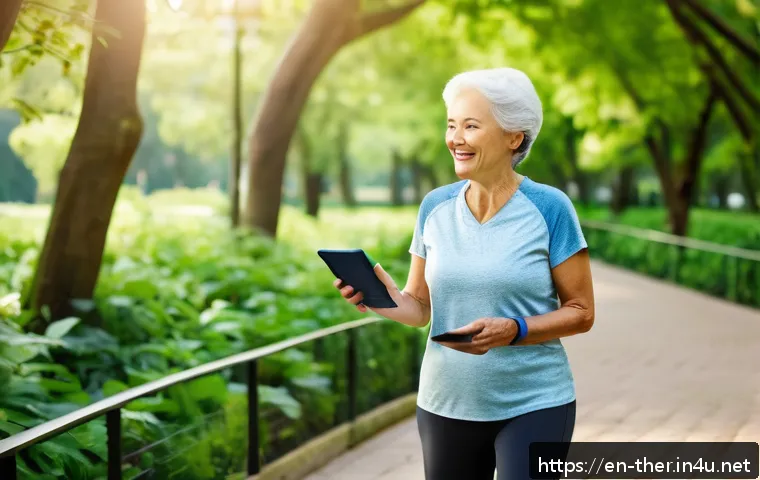
As the global population ages at an unprecedented rate, physical therapists find themselves at the forefront of a growing healthcare challenge. With more seniors seeking care to maintain mobility and independence, traditional approaches are no longer enough.
I’ve noticed firsthand how innovative strategies can transform patient outcomes and practice efficiency. In this post, we’ll explore practical, forward-thinking solutions that empower therapists to meet the evolving needs of an aging demographic.
Whether you’re a seasoned professional or new to the field, these insights could redefine how you approach care in today’s dynamic landscape. Let’s dive into the future of physical therapy together.
Embracing Technology to Enhance Senior Mobility
Integrating Wearable Devices for Real-Time Monitoring
Physical therapists increasingly rely on wearable technology to gather real-time data on seniors’ movement patterns and health indicators. Devices such as smart insoles, motion sensors, and heart rate monitors provide continuous feedback that helps therapists tailor interventions with unprecedented precision.
From my experience, patients become more engaged when they see their progress tracked live, which motivates adherence to prescribed exercises. These tools also alert therapists early to potential issues like falls or unusual gait changes, enabling proactive adjustments before complications arise.
Telehealth as a Catalyst for Consistent Care
The pandemic accelerated telehealth adoption, but it’s become clear that virtual sessions offer lasting benefits, especially for older adults with limited mobility or transportation challenges.
I’ve found that remote consultations allow for flexible scheduling and more frequent check-ins without sacrificing quality. While hands-on techniques remain vital, combining them with virtual guidance expands access and supports ongoing rehabilitation at home.
Therapists can review exercise form, discuss pain management, and adjust plans dynamically, fostering a continuous therapeutic relationship.
Augmented Reality and Virtual Reality in Therapy
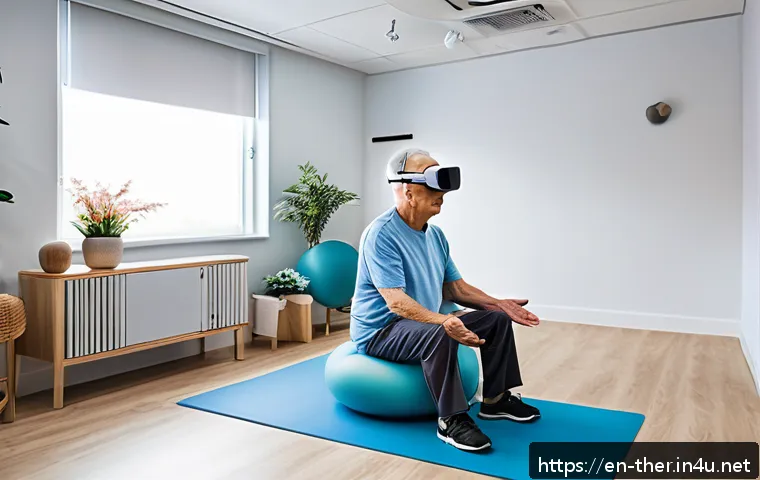
Augmented reality (AR) and virtual reality (VR) are emerging as exciting tools to simulate real-world environments and activities in a safe, controlled setting.
Seniors can practice balance, coordination, and strength exercises with engaging, gamified experiences that reduce boredom and increase motivation. I’ve observed that patients respond well to these immersive approaches because they add variety and cognitive challenge, which is crucial for holistic health.
These technologies also provide objective data on performance, helping therapists refine treatment strategies.
Customized Exercise Programs for Age-Related Changes
Addressing Sarcopenia with Targeted Strength Training
Muscle loss, or sarcopenia, is a major concern in aging populations, impacting balance and increasing fall risk. Designing exercise regimens that emphasize progressive resistance training can counteract these effects effectively.
In my practice, incorporating weight-bearing and functional movements tailored to individual capacity has yielded significant improvements in muscle mass and endurance.
Educating patients about the importance of consistency and gradual overload helps build confidence and reduces injury fears.
Incorporating Flexibility and Balance Workouts
Flexibility often declines with age, contributing to stiffness and limited range of motion. Balance training is equally vital to prevent falls and maintain independence.
I’ve found that combining yoga-inspired stretches, tai chi movements, and proprioceptive exercises within therapy sessions enhances overall mobility. Encouraging patients to integrate these routines into daily life fosters lasting habits that support joint health and stability.
This holistic approach addresses not just strength but the full spectrum of physical function.
Adapting Programs to Cognitive and Sensory Changes
Cognitive decline and sensory impairments can complicate therapy, necessitating modifications in communication and exercise design. Using clear, simple instructions with visual aids improves comprehension and safety during sessions.
I often break down complex movements into smaller, manageable steps and incorporate repetition to reinforce learning. Additionally, adjusting lighting and minimizing background noise helps patients focus better, making therapy more effective.
These adaptations demonstrate empathy and respect for each patient’s unique challenges.
Building Strong Interdisciplinary Networks
Collaborating with Geriatricians and Other Specialists
Physical therapists don’t operate in isolation when caring for aging adults. Coordinating with geriatricians, occupational therapists, nutritionists, and social workers creates a comprehensive support system addressing medical, functional, and psychosocial needs.
From my experience, regular communication ensures that treatment plans align with overall health goals and that any emerging issues are promptly addressed.
This teamwork not only optimizes outcomes but also enhances patient trust and satisfaction.
Engaging Family Caregivers as Partners
Family members often play a crucial role in supporting seniors’ rehabilitation outside clinical settings. Educating caregivers on safe transfer techniques, exercise encouragement, and recognizing warning signs empowers them to contribute effectively.
I’ve witnessed how involving families in therapy sessions and progress discussions builds a collaborative atmosphere and reduces caregiver stress. This partnership extends the reach of physical therapy beyond appointments and fosters a nurturing environment for recovery.
Community Resources to Extend Support
Connecting patients with community programs like senior centers, exercise classes, and support groups enriches their social engagement and physical activity options.
I recommend therapists familiarize themselves with local offerings to provide personalized referrals that complement clinical care. These resources promote long-term wellness and reduce isolation, which is often overlooked but critical in aging populations.
Integrating community involvement into therapy plans strengthens resilience and quality of life.
Optimizing Clinic Operations for an Aging Patient Base
Designing Senior-Friendly Clinic Spaces
Clinic environments must accommodate the physical limitations of older adults, ensuring safety and comfort. Features such as non-slip flooring, ample seating, clear signage, and accessible equipment make a significant difference.
From what I’ve seen, when patients feel physically secure and welcomed, their anxiety diminishes, and engagement increases. Thoughtful design also supports efficient workflow for therapists, enabling better patient management and reducing appointment delays.
Implementing Flexible Scheduling and Follow-Up Systems
Older patients may require more frequent or longer sessions due to complex needs, necessitating adaptable scheduling. Offering options for morning or early afternoon appointments respects common energy patterns and transportation availability.
Additionally, establishing robust follow-up protocols—via phone calls, messages, or apps—helps maintain continuity and addresses issues promptly. I’ve noticed that proactive communication reduces no-shows and enhances treatment adherence.
Leveraging Data Analytics for Continuous Improvement
Collecting and analyzing patient outcome data allows clinics to identify trends, optimize protocols, and demonstrate value to payers. Incorporating electronic health records with outcome measurement tools streamlines this process.
Personally, using data-driven insights has helped me refine interventions and justify resource allocation, improving both clinical effectiveness and financial sustainability.
Transparent reporting also builds credibility with patients and stakeholders.
Enhancing Patient Education and Empowerment
Developing Clear, Accessible Educational Materials
Many seniors face challenges understanding medical jargon or complex instructions. Providing simple, visually supported handouts and videos tailored to literacy levels enhances comprehension.
I often create customized guides emphasizing key exercises, safety tips, and lifestyle advice that patients can reference at home. This approach reduces confusion and supports independence, fostering a sense of control over their health journey.
Encouraging Self-Management and Goal Setting
Empowering patients to take an active role in their rehabilitation improves motivation and outcomes. Collaboratively setting realistic, meaningful goals transforms therapy from a passive experience into a partnership.
In practice, I find that celebrating small milestones and adjusting targets as progress occurs boosts confidence and commitment. Teaching self-monitoring techniques also equips seniors to recognize changes and seek help promptly.
Utilizing Digital Platforms for Ongoing Support
Apps and online portals can supplement in-person therapy by providing reminders, exercise demonstrations, and progress tracking. I’ve had positive feedback from patients who appreciate the convenience and reinforcement these tools offer.
However, it’s important to assess individual comfort with technology and provide alternatives when needed. Blending digital resources with personal interaction creates a balanced, supportive care environment.
Addressing Psychological and Social Dimensions of Aging
Recognizing the Impact of Depression and Anxiety
Mental health significantly influences physical recovery, yet it’s often underdiagnosed in older adults. Integrating screening for depression and anxiety into initial assessments helps identify patients needing additional support.
I’ve learned that open conversations about emotional well-being reduce stigma and encourage acceptance of counseling or therapy referrals. Addressing psychological factors holistically improves adherence and overall quality of life.
Fostering Social Connections through Group Therapy
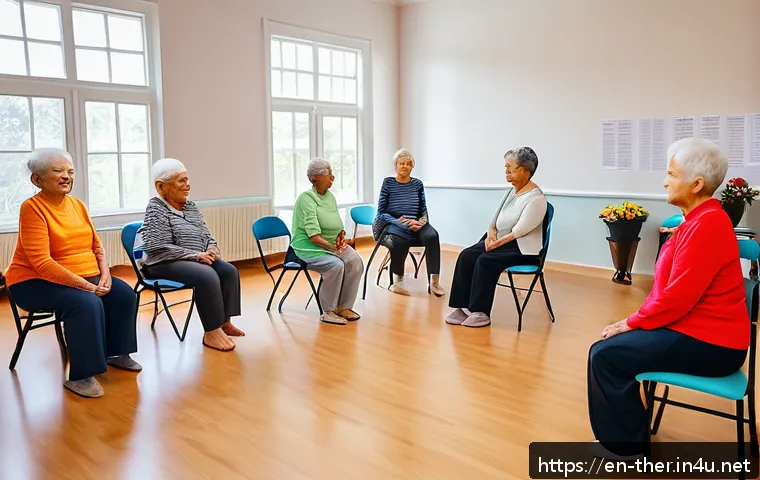
Group sessions provide not only physical benefits but also social interaction, combating loneliness common in seniors. Facilitating peer support networks within therapy programs enhances motivation and emotional resilience.
My experience shows that participants often form friendships that extend beyond clinical settings, creating a community of encouragement. This social dimension enriches rehabilitation and promotes sustained engagement.
Incorporating Mind-Body Techniques to Reduce Stress
Practices like meditation, deep breathing, and mindfulness can complement physical therapy by reducing stress and improving pain management. Introducing these techniques in sessions or recommending home practice empowers patients to manage discomfort and anxiety proactively.
I’ve found that integrating mind-body strategies creates a more comprehensive, patient-centered approach that addresses both physical and emotional health.
| Strategy | Benefits | Implementation Tips |
|---|---|---|
| Wearable Technology | Real-time monitoring, increased patient engagement, early issue detection | Choose user-friendly devices, educate patients on use, integrate data into treatment plans |
| Telehealth | Expanded access, flexible scheduling, continuous care | Ensure reliable connectivity, combine with in-person visits, provide technical support |
| Customized Exercise Programs | Improved strength, balance, flexibility, cognitive adaptation | Assess individual needs, progress gradually, use visual aids and repetition |
| Interdisciplinary Collaboration | Holistic care, better health outcomes, coordinated treatment | Maintain regular communication, involve caregivers, refer to community resources |
| Clinic Optimization | Enhanced patient safety and comfort, efficient operations, data-driven improvements | Design senior-friendly spaces, offer flexible scheduling, use outcome tracking software |
| Patient Education | Greater understanding, self-management, improved adherence | Develop clear materials, set goals collaboratively, leverage digital tools |
| Psychosocial Support | Reduced mental health barriers, increased social engagement, stress reduction | Screen for depression, facilitate group therapy, integrate mind-body practices |
In Conclusion
Embracing technology and personalized approaches in senior mobility care offers transformative benefits that improve both physical and emotional well-being. Combining innovative tools with compassionate, interdisciplinary collaboration creates a supportive environment where older adults can thrive. By prioritizing safety, education, and empowerment, we pave the way for healthier, more independent aging experiences.
Useful Information to Keep in Mind
1. Wearable devices provide valuable real-time feedback that enhances therapy precision and patient motivation.
2. Telehealth expands access to care, allowing for flexible scheduling and consistent support outside the clinic.
3. Customized exercise programs tailored to strength, balance, and cognitive needs are essential for effective rehabilitation.
4. Collaboration with healthcare professionals and family caregivers strengthens treatment outcomes and patient trust.
5. Creating senior-friendly clinic environments and using data analytics optimize both patient experience and clinical efficiency.
Key Takeaways
Integrating advanced technology with personalized, multidisciplinary care is crucial for addressing the complex challenges of senior mobility. Empowering patients through education and self-management fosters engagement and independence. Additionally, recognizing the psychological and social aspects of aging enriches the rehabilitation process. Clinics that adapt their operations to meet seniors’ unique needs will see better adherence, satisfaction, and overall health outcomes.
Frequently Asked Questions (FAQ) 📖
Q: uestionsQ1: How can physical therapists effectively address the unique mobility challenges faced by the elderly population?
A: Physical therapists can tailor their approach by incorporating comprehensive assessments that focus on balance, strength, and flexibility specific to older adults.
Utilizing evidence-based interventions such as fall prevention exercises, functional training, and assistive device education greatly enhances mobility outcomes.
From my experience, integrating technology like wearable sensors helps monitor progress and adjust treatments dynamically, ensuring a personalized and effective care plan.
Q: What innovative strategies are proving most successful in improving practice efficiency while caring for an aging demographic?
A: Adopting telehealth platforms has revolutionized patient access and follow-up, especially for seniors with transportation limitations. Additionally, interdisciplinary collaboration with occupational therapists, nutritionists, and social workers streamlines care and addresses holistic needs.
In my practice, implementing electronic health records with automated reminders reduced administrative burden, allowing more quality time for patient interaction — a game-changer in boosting both efficiency and patient satisfaction.
Q: How can physical therapists stay updated and prepared for the evolving demands of geriatric care?
A: Continuous education through specialized certifications in geriatrics, attending workshops, and engaging in professional communities are essential. Staying informed about emerging research and technological advancements equips therapists to adopt cutting-edge techniques confidently.
Personally, I find that mentoring newer therapists and sharing real-world case studies not only reinforces my knowledge but also fosters a supportive network that drives innovation in senior care.