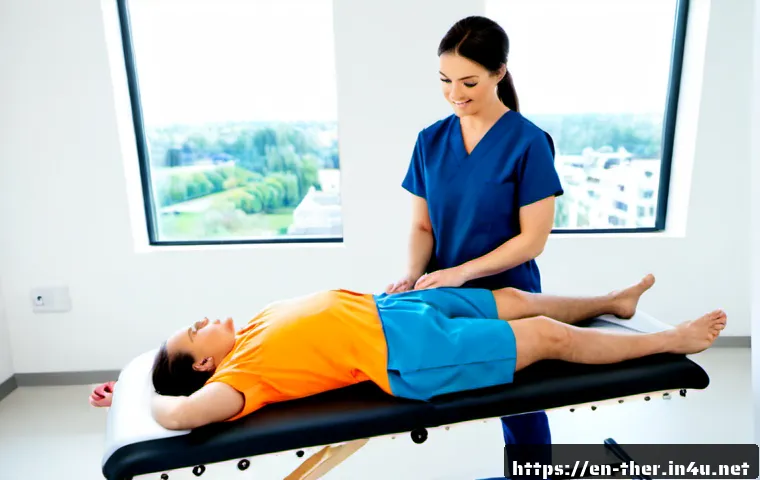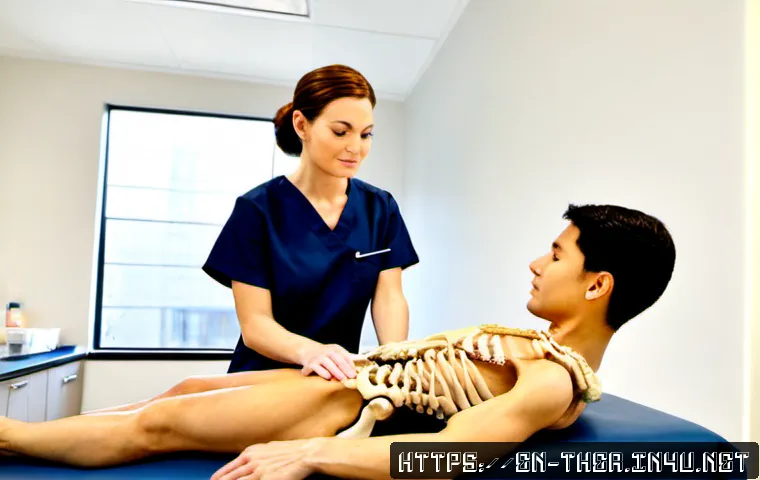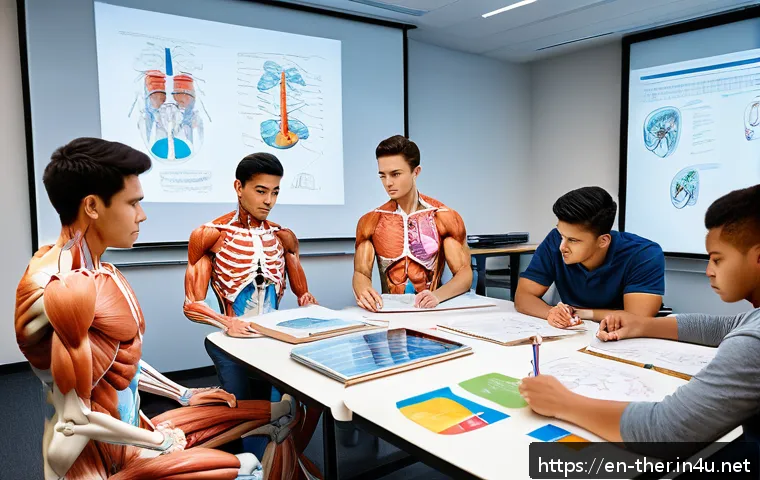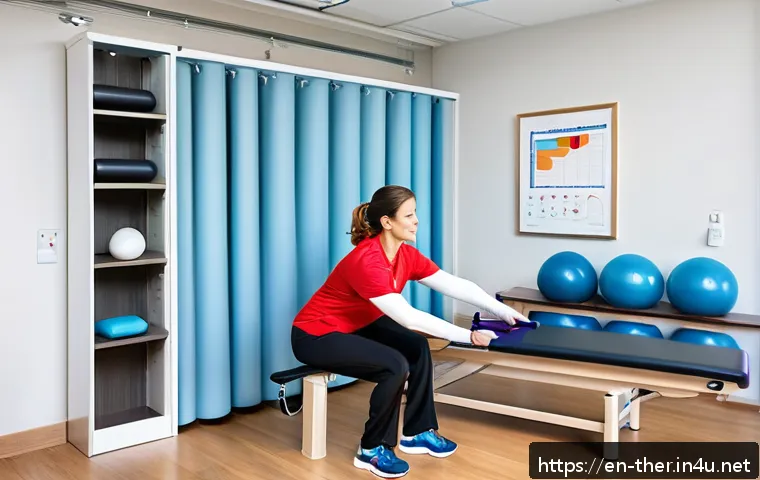
As the world of physical therapy rapidly evolves with cutting-edge techniques and technology, staying connected to the latest innovations is more important than ever.

Whether you’re a seasoned practitioner or just starting out, attending key conferences and joining reputable associations can transform your approach and expand your professional network.
This year, several standout events promise to showcase groundbreaking research and practical insights that could redefine patient care. Dive in with me as we explore the top gatherings where ideas spark, collaborations flourish, and the future of physical therapy takes shape.
Trust me, you won’t want to miss these opportunities to elevate your practice and stay ahead of the curve.
Unlocking New Horizons in Patient Rehabilitation
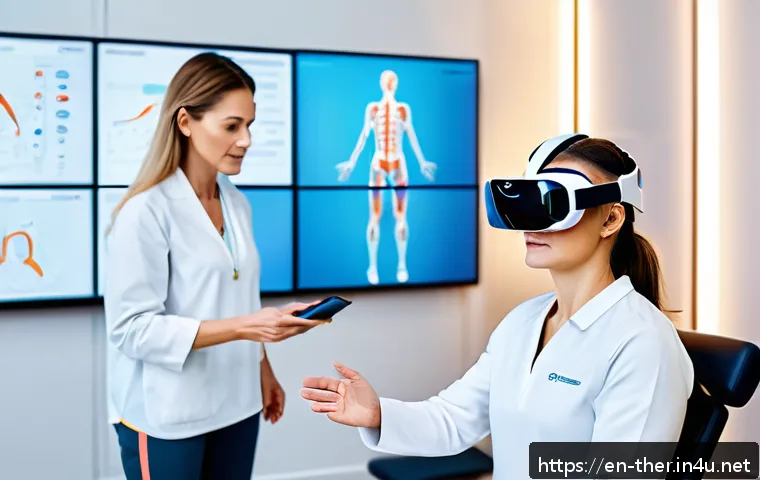
Integrating Virtual Reality into Therapy Sessions
Virtual reality (VR) is no longer just for gaming—it’s making serious waves in physical therapy. Having tried VR-based rehab tools myself, I can honestly say the immersive environments help patients engage more deeply with their exercises, often forgetting they’re doing therapy.
This tech allows therapists to customize scenarios that challenge balance, coordination, and strength in ways traditional methods can’t. Plus, tracking real-time data helps adjust programs on the fly, making treatments more effective and tailored.
Wearable Tech: Your New Best Assistant
Wearable devices like smart sensors and motion trackers have become indispensable for monitoring patient progress outside the clinic. From my own practice, using these gadgets has made a huge difference in understanding how patients perform daily activities and where they might be compensating or struggling.
The feedback loop created between patient and therapist encourages accountability and empowers patients to take charge of their recovery journey. It’s a game changer in achieving long-term outcomes.
Data-Driven Decision Making in Therapy
Analytics platforms are helping therapists sift through mountains of data to pinpoint what’s really working. When I first started using data-driven insights, it felt overwhelming, but it quickly became clear how valuable they are for personalizing care.
These tools help identify patterns like which exercises lead to better pain reduction or faster mobility gains, so treatment plans aren’t just educated guesses but evidence-backed strategies.
Building Meaningful Connections Through Collaborative Learning
Networking Beyond the Clinic Walls
One of the biggest surprises I’ve found attending conferences and workshops is how much casual conversations can fuel professional growth. Meeting peers from different specialties or regions opens up perspectives I wouldn’t encounter otherwise.
These connections often turn into mentorships, partnerships, or even friendships that support ongoing learning and innovation long after the event ends.
Hands-On Workshops: Where Theory Meets Practice
Workshops offer a rare chance to roll up your sleeves and try out new techniques under expert guidance. From my experience, these sessions are invaluable because they bridge the gap between textbook knowledge and real-world application.
Whether it’s mastering a manual therapy skill or experimenting with new equipment, hands-on practice builds confidence and competence that lectures alone can’t provide.
Virtual Communities for Continuous Engagement
The rise of online forums and social media groups dedicated to physical therapy means learning doesn’t stop when you leave the event venue. I’ve found that participating in these digital communities helps sustain momentum, share success stories, troubleshoot challenges, and discover resources.
It’s like having a support network that’s accessible anytime, anywhere.
Exploring Cutting-Edge Research Transforming Patient Outcomes
Breakthroughs in Neurorehabilitation
Recent studies have unveiled innovative ways to enhance neuroplasticity, which is crucial for patients recovering from strokes or brain injuries. Techniques like task-specific training combined with non-invasive brain stimulation have shown promising results in accelerating motor recovery.
As someone who follows this research closely, I’m excited about how these advances can be integrated into everyday clinical practice to boost patient independence.
Regenerative Medicine and Physical Therapy
The intersection of regenerative therapies—like stem cell treatments—and physical therapy is opening new doors for healing tissues and restoring function.
While still emerging, early clinical trials suggest that combining these therapies with targeted rehab protocols can improve outcomes significantly. For therapists, staying informed about these developments is key to offering patients the most comprehensive care possible.
Personalized Medicine: Tailoring Treatment to the Individual
Genetic testing and biomarker analysis are becoming tools to customize rehabilitation plans based on a patient’s unique biology. This precision approach means therapies can be adjusted to optimize healing rates and reduce risks of setbacks.
Having witnessed the benefits of personalized protocols in select cases, I believe this trend will soon become standard practice.
Harnessing Technology to Enhance Patient Engagement
Mobile Apps for Home Exercise Programs
Mobile applications designed specifically for physical therapy patients are incredibly helpful for maintaining adherence to home exercise programs. From my perspective, apps that offer video demonstrations, reminders, and progress tracking make it easier for patients to stay motivated and perform exercises correctly between visits.

This continuity often translates into faster recovery and fewer clinic visits.
Telehealth: Expanding Access and Convenience
Telehealth services have revolutionized how we connect with patients, especially those in remote or underserved areas. Having conducted virtual sessions myself, I’ve seen how this approach increases flexibility without sacrificing quality.
It also allows therapists to observe patients in their natural environments, which can reveal functional challenges that might go unnoticed in a clinical setting.
Gamification to Boost Motivation
Incorporating game-like elements into rehab exercises transforms mundane routines into enjoyable challenges. Patients I’ve worked with often report feeling more engaged and less frustrated when therapy includes rewards, levels, or competition.
This psychological boost can be crucial for sustaining long-term commitment and achieving meaningful improvements.
Strategies for Professional Growth and Leadership
Continuous Education as a Career Foundation
Staying up-to-date through courses, certifications, and seminars isn’t just about checking boxes—it’s about deepening your expertise and confidence. Personally, each new qualification has expanded my toolkit and helped me approach complex cases with greater assurance.
Lifelong learning keeps your practice fresh and relevant.
Mentorship and Peer Support Networks
Being both a mentor and mentee has enriched my career in unexpected ways. Guidance from seasoned professionals provides invaluable insights, while mentoring others sharpens your own skills and leadership qualities.
Cultivating these relationships fosters a culture of excellence and collaboration that benefits everyone involved.
Advocating for the Profession
Getting involved in advocacy efforts raises the profile of physical therapy and helps shape policies that impact patient care and practitioner rights.
I’ve found that contributing to professional organizations and public awareness campaigns not only advances the field but also enhances personal fulfillment and professional credibility.
Comparing Key Physical Therapy Events and Opportunities
| Event | Focus | Typical Attendees | Benefits | Format |
|---|---|---|---|---|
| Annual Rehab Innovations Summit | Latest technology and research in rehabilitation | Clinicians, researchers, tech developers | Hands-on demos, networking, cutting-edge presentations | In-person and virtual options |
| Global Manual Therapy Workshop | Advanced manual therapy techniques | Therapists, educators | Practical skills training, peer collaboration | In-person intensive |
| Telehealth & Digital PT Conference | Telemedicine and digital tools in PT | Therapists, administrators, tech innovators | Best practices, case studies, tech showcases | Virtual |
| Neurorehabilitation Symposium | Neurological recovery and therapy strategies | Neurologists, PTs, researchers | Research updates, clinical applications | Hybrid |
| Professional Growth & Leadership Forum | Career development and leadership skills | Therapists at all levels | Workshops, mentorship programs, networking | In-person |
Closing Thoughts
Embracing innovative technologies and collaborative learning is reshaping patient rehabilitation in exciting ways. From virtual reality to personalized medicine, these advances enhance both therapy effectiveness and patient engagement. As professionals, staying curious and connected ensures we deliver the best care possible while growing in our careers. The future of rehabilitation is bright, driven by creativity, technology, and shared knowledge.
Helpful Information to Keep in Mind
1. Virtual reality in therapy not only motivates patients but allows precise customization of exercises to target specific recovery needs.
2. Wearable devices provide valuable data outside the clinic, fostering patient accountability and more accurate progress tracking.
3. Data analytics empower therapists to tailor treatments based on what truly delivers results, moving beyond trial and error.
4. Engaging in professional networks and workshops strengthens skills and opens doors for mentorship and innovation.
5. Telehealth and mobile apps expand access and convenience, making therapy more flexible and patient-centered.
Key Takeaways
Integrating cutting-edge technology with evidence-based approaches is vital for advancing rehabilitation outcomes. Continuous education and active participation in professional communities fuel growth and leadership in the field. Prioritizing patient engagement through personalized, accessible tools ensures sustained motivation and better recovery journeys. Staying informed about emerging research and advocacy efforts enhances both clinical practice and the profession’s impact.
Frequently Asked Questions (FAQ) 📖
Q: uestionsQ1: How can attending physical therapy conferences benefit my clinical practice?
A: Attending conferences offers more than just learning about the latest research; it provides hands-on workshops and real-world case discussions that you can immediately apply.
From my own experience, these events sparked ideas that improved my treatment strategies and patient outcomes. Plus, networking with peers and industry leaders often leads to collaborations and mentorship opportunities that you won’t find elsewhere.
Q: What should I look for when choosing a physical therapy association to join?
A: Look for associations that align with your specialty and professional goals. A strong association offers access to cutting-edge resources, continuing education, and a supportive community.
Personally, joining an association with active forums and regular events helped me stay motivated and informed, which directly impacted my confidence and expertise in patient care.
Q: Are virtual physical therapy conferences as valuable as in-person ones?
A: Virtual conferences have come a long way, offering flexible access to sessions and recorded content, which is fantastic if travel or time is a constraint.
However, in-person events provide unique opportunities for spontaneous networking and hands-on learning that virtual platforms can’t fully replicate. I’ve found a hybrid approach works best—attending key in-person events while supplementing with virtual ones to stay continuously updated.