In today’s healthcare landscape, patient-centered care has become the cornerstone of effective physical therapy. This approach prioritizes the individual’s unique needs, preferences, and goals, fostering a collaborative environment between therapist and patient.

By focusing on personalized treatment plans, physical therapists can significantly enhance recovery outcomes and patient satisfaction. From improving communication to tailoring exercises, patient-centered therapy transforms the healing process into a truly empowering experience.
Curious about how this method works in practice and why it matters so much? Let’s dive deeper and explore the details together!
Building Trust Through Open Dialogue
Listening Beyond Symptoms
One thing I’ve noticed in my own practice is how often patients feel truly heard only when therapists go beyond just asking about pain levels. It’s about tuning into their lifestyle, fears, and daily challenges.
When a therapist actively listens to these details, patients tend to open up more, which creates a foundation of trust. This trust isn’t just warm and fuzzy—it directly influences how engaged the patient becomes in their recovery journey.
I’ve seen patients who initially seemed skeptical become motivated simply because they felt their therapist genuinely cared about their whole story, not just the injury.
Encouraging Honest Feedback
Honest communication is a two-way street. I always encourage patients to share what’s working and what’s not during therapy sessions. Sometimes, they hesitate to speak up because they don’t want to disappoint or think they should “just push through.” Creating a safe space where feedback is welcomed and acted upon helps therapists adjust treatments in real-time.
This approach not only improves the effectiveness of therapy but also empowers patients to take ownership of their healing. It’s like co-writing the recovery plan, where both therapist and patient feel heard and valued.
Setting Realistic Expectations Together
Another critical piece is aligning expectations early on. I make it a point to discuss the potential timeline, possible setbacks, and milestones clearly with patients.
When they understand the “why” behind each step, they’re less likely to get discouraged. Setting these realistic goals together helps maintain motivation and reduces frustration.
From what I’ve experienced, this shared understanding fosters patience and persistence, which are essential ingredients for successful rehabilitation.
Customizing Treatments to Fit Individual Lives
Adapting Exercises for Daily Routines
A personalized treatment plan isn’t just about selecting the right exercises; it’s about integrating them into the patient’s lifestyle seamlessly. For example, I had a patient who was a busy parent juggling work and kids.
Instead of prescribing lengthy sessions, I tailored short, effective routines they could squeeze in between errands. This practical approach made it easier for them to stay consistent, which ultimately sped up their recovery.
It’s amazing how small tweaks like this can make a huge difference in adherence and outcomes.
Incorporating Patient Preferences
Therapy can sometimes feel like a chore, but when patients get to choose activities they enjoy, it changes the whole dynamic. I once worked with someone who loved swimming but hated traditional gym exercises.
Incorporating aquatic therapy not only made sessions enjoyable but also improved their motivation significantly. Respecting preferences like this builds enthusiasm and encourages active participation, which is crucial for progress.
Adjusting Plans Based on Progress
Flexibility is key. I regularly reassess my patients’ progress and tweak their plans accordingly. This might mean ramping up intensity or scaling back when needed.
I find that patients appreciate knowing their therapy isn’t rigid but evolves with their changing needs. This responsive approach helps prevent burnout and keeps the momentum going, reinforcing the collaborative spirit of patient-centered care.
Enhancing Patient Engagement Through Education
Demystifying the Healing Process
When patients understand what’s happening inside their bodies, they tend to feel more in control. I make it a priority to explain the mechanics of injuries and recovery in plain language.
Breaking down complex concepts into relatable terms helps reduce anxiety and builds confidence. It’s rewarding to see patients nodding along and asking insightful questions because it shows they’re invested in their own healing.
Empowering Self-Management
Teaching patients self-care techniques is another powerful tool. I provide clear instructions for home exercises and pain management strategies that they can use independently.
This empowerment fosters a sense of responsibility and confidence outside the clinic. I’ve noticed that patients who actively engage in self-management tend to recover faster and maintain improvements longer.
Utilizing Visual and Digital Aids
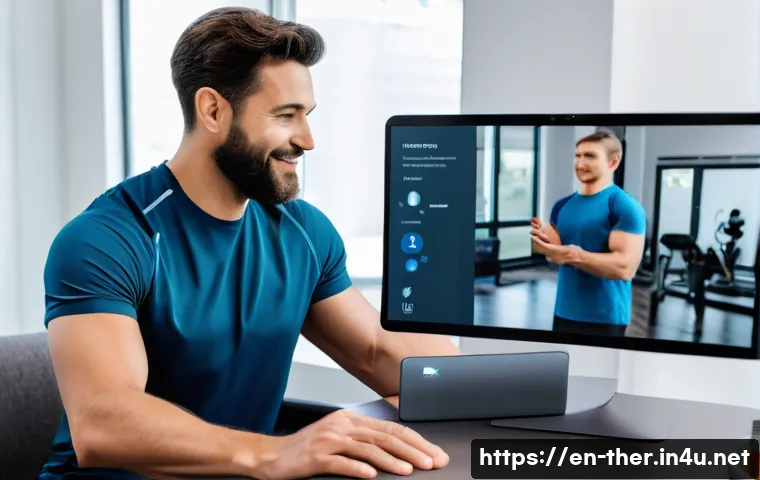
Incorporating videos, apps, or illustrated guides can make education more accessible and engaging. I often send personalized exercise videos through apps that patients can follow at home.
These tools serve as helpful reminders and make it easier for patients to stick with their routines. Technology, when used thoughtfully, can bridge the gap between sessions and keep motivation high.
Fostering Emotional Support Throughout Recovery
Recognizing the Emotional Impact of Injury
Physical injuries don’t just affect the body—they often take an emotional toll too. I’ve encountered many patients who feel frustrated, anxious, or even depressed during their recovery.
Acknowledging these feelings openly and offering empathetic support creates a safe environment. This emotional validation can be as healing as the physical therapy itself because it helps patients feel understood beyond their symptoms.
Building a Supportive Relationship
The therapist-patient relationship often becomes a crucial source of encouragement. Sharing small victories, celebrating progress, and being a steady presence during setbacks helps patients stay positive.
I find that patients who feel emotionally supported are more willing to push through challenges, leading to better adherence and outcomes.
Connecting Patients to Additional Resources
Sometimes, physical therapy alone isn’t enough to address emotional struggles. I make it a point to connect patients with counselors, support groups, or wellness programs when appropriate.
This holistic approach ensures they receive comprehensive care, which ultimately supports both their physical and mental well-being.
Leveraging Technology for Personalized Care
Using Data to Track Progress
Modern technology offers incredible tools to monitor patient progress objectively. I’ve started using wearable devices that track movement patterns and activity levels, providing real-time feedback.
This data helps me fine-tune treatment plans and motivates patients by showing tangible improvements. It’s like having a progress report that keeps both therapist and patient aligned.
Virtual Consultations and Follow-Ups
Telehealth has become a valuable option, especially for patients with busy schedules or mobility issues. I’ve conducted virtual check-ins to adjust exercises or answer questions without requiring an office visit.
This convenience enhances accessibility and continuity of care, making it easier for patients to stay engaged.
Personalized Exercise Apps
There are countless apps designed to support physical therapy, but the key is customizing them to each patient’s needs. I recommend apps that allow me to create tailored exercise programs and track adherence.
Patients appreciate having structured guidance at their fingertips, which increases compliance and confidence.
Measuring Success Beyond Pain Relief
Tracking Functional Improvements
While reducing pain is a primary goal, I always look at how patients regain function in their daily lives. Can they return to work, hobbies, or household tasks without limitations?
These practical measures give a fuller picture of recovery. I’ve seen patients feel more satisfied when they recognize improvements in their ability to perform meaningful activities rather than just a drop in pain levels.
Patient Satisfaction and Quality of Life
Patient-centered care naturally boosts satisfaction because it respects individual preferences and goals. I regularly gather feedback through surveys or casual conversations to understand how patients perceive their therapy experience.
Positive feedback often correlates with better adherence and outcomes, highlighting the importance of this holistic approach.
Long-Term Maintenance and Prevention
Sustaining recovery is just as important as achieving it. I emphasize strategies for preventing re-injury and maintaining strength over time. This includes lifestyle advice, ongoing exercises, and regular check-ins.
Patients who embrace this mindset tend to enjoy lasting benefits and fewer setbacks.
Comparison of Traditional vs. Patient-Centered Physical Therapy Approaches
| Aspect | Traditional Approach | Patient-Centered Approach |
|---|---|---|
| Focus | Standardized protocols and symptom treatment | Individualized care based on patient goals and preferences |
| Communication | Therapist-directed, limited patient input | Collaborative dialogue encouraging patient feedback |
| Exercise Prescription | One-size-fits-all exercises | Customized routines tailored to lifestyle and preferences |
| Emotional Support | Minimal attention to psychological aspects | Holistic support addressing emotional needs |
| Use of Technology | Limited or no integration | Leveraging wearables, apps, and telehealth for engagement |
| Outcome Measurement | Pain reduction focused | Functional improvements, satisfaction, and quality of life |
Closing Thoughts
Building a strong, trusting relationship through open communication and personalized care is key to effective physical therapy. When patients feel heard and involved, their motivation and recovery outcomes improve significantly. Integrating education, emotional support, and technology further enhances engagement, making the healing journey a collaborative and empowering experience.
Useful Information to Keep in Mind
1. Active listening helps build trust by acknowledging the patient’s full experience, not just their symptoms.
2. Encouraging honest feedback allows for real-time adjustments that improve treatment effectiveness.
3. Customizing exercises to fit a patient’s lifestyle boosts adherence and speeds recovery.
4. Educating patients about their injury and healing process reduces anxiety and promotes self-management.
5. Emotional support and technology integration play important roles in sustaining motivation and long-term success.
Key Takeaways
Successful physical therapy is centered around a patient-focused approach that values open dialogue, personalized treatment, and emotional well-being. Therapists should foster honest communication, set realistic goals collaboratively, and adapt plans based on progress. Leveraging education and technology enhances patient engagement, while addressing emotional needs supports holistic recovery. Ultimately, measuring success by functional improvements and quality of life ensures a more meaningful and lasting healing experience.
Frequently Asked Questions (FAQ) 📖
Q: What exactly is patient-centered care in physical therapy, and how does it differ from traditional approaches?
A: Patient-centered care in physical therapy means putting the patient’s individual needs, goals, and preferences at the heart of the treatment process. Unlike traditional approaches that often focus solely on standardized protocols or therapist-driven plans, this method encourages collaboration between the therapist and patient.
It’s about listening closely, understanding the patient’s lifestyle and challenges, and tailoring exercises and treatments accordingly. From my experience, this approach not only makes patients feel more involved but also boosts motivation and leads to better, faster recovery.
Q: How does patient-centered care improve recovery outcomes in physical therapy?
A: When therapy is personalized, patients tend to engage more actively because the exercises and goals feel relevant and achievable. I’ve seen firsthand that when patients are part of the decision-making, they stick to their rehab programs more consistently.
Plus, therapists can adjust treatments based on real-time feedback, which helps avoid unnecessary pain or frustration. This ongoing dialogue creates a positive cycle where progress is clear, confidence grows, and recovery speeds up.
Ultimately, it’s about empowering patients to take control of their healing journey, which really makes a difference.
Q: Can patient-centered physical therapy be applied to all types of injuries or conditions?
A: Absolutely! Whether someone is recovering from a sports injury, managing chronic pain, or rehabilitating after surgery, patient-centered care can be adapted to fit their unique situation.
The key is flexibility and communication—therapists assess what works best for each person’s body, lifestyle, and goals. I’ve worked with patients across all ages and conditions, and the common thread is that when treatment feels personalized, patients are more hopeful and invested.
This approach isn’t one-size-fits-all; it evolves with the patient, making it effective for virtually any physical therapy scenario.